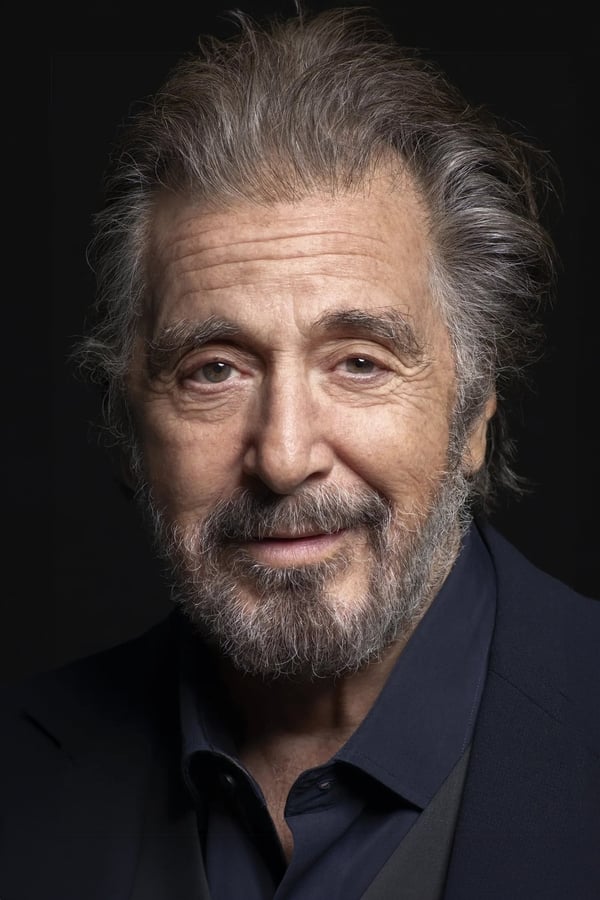
Alfredo James Pacino was born in East Harlem, Manhattan, in 1940. He grew up in the Bronx with his mother and his maternal grandparents, who curiously came from a Sicilian town called Corleone. His childhood was anything but glamorous. He was a lonely kid who found his first escape in imitating the people around him.
At seventeen, he dropped out of school and took on a string of precarious jobs to pay for acting classes. He worked as a messenger, a doorman, and a janitor. But his goal was the Actors Studio with Lee Strasberg. There he learned that acting wasn't pretending, but rather searching for inner truth through sensory memory.
And technique saved his life.
The Kid Coppola Pushed
In 1972, Paramount did not want Pacino to play Michael Corleone in El padrino: The Latin Godfather. The producers preferred Robert Redford or Jack Nicholson. They saw him as too short, too dark-haired and oddly quiet. Francis Ford Coppola had to risk their own position to keep him in the cast.
During the first weeks of filming, the executives reviewed the footage and thought Pacino wasn't doing anything. They didn't understand that he was building a slow psychological transition. Only when he shot the restaurant scene and the killing of Sollozzo did they realize that they had a cinematic animal in front of them.
That role earned him his first Oscar nomination for Best Supporting Actor. But Pacino was upset. He felt his character had more screen time than that of Marlon Brando, and he skipped the ceremony in protest. It marked the start of a tense, magnetic relationship with the Los Angeles film industry.
Between 1973 and 1975, he took on three projects that defined the auteur cinema of the decade. In Serpico, he portrayed police corruption with a scruffy beard and simmering rage. In The Godfather Part II, he drove Michael toward absolute coldness. In 1975, he shot Dog Day Afternoon, playing a desperate bank robber.
It was an unrepeatable run of genius.
The Wilderness Years of the Eighties
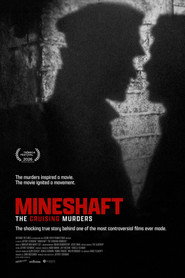
The turn of the decade did not go well for him. In 1980, he starred in Cruising, a murky thriller by William Friedkin that sparked protests from the LGBTQ+ community and fierce criticism. Pacino began to feel disconnected from the scripts he was receiving. So he sought refuge in theater and personal projects that did not always see the light of day.
In 1983, Scarface arrived. Although it's a cult favorite today, it was torn apart by critics on release for its excessive violence. Brian De Palma asked for an operatic performance, and Pacino delivered an over-the-top Tony Montana that took years to be embraced by the general public.
The knockout blow came in 1985 with Revolution. The film was a financial disaster of biblical proportions, and Pacino decided to step away from movies for four years. He moved to New York, devoted himself to reading Shakespeare, and independently shot The Local Stigmatic, a short film he showed only to his close friends.
But the money runs out.
He returned in 1989 with Melodía de seducción and won back audiences. In 1992, he finally won the Academy Award for Best Actor for Scent of a Woman. It wasn't his best work, but the Academy felt it had owed him a statuette for twenty years. That shout of "Hoo-ah" stuck to his persona forever.
The retreat for directing and streaming
In his later years, Pacino decided he no longer had anything to prove to anyone. He began alternating big-budget productions with filmed theatrical experiments such as Looking for Richard in 1996. In 1995, cinema's most anticipated pairing took place as he shared the screen with Robert De Niro in Heat, directed by Michael Mann.
Starting in 2000, his career entered a phase of excessive acting. In 2003, he won an Emmy for the miniseries Angels in America, proving that television was a comfortable space for his style. He kept working with renowned directors, but he also accepted roles in mediocre comedies that damaged his reputation among purists.
In 2019, Martin Scorsese recruited him for The Irishman. It was the first time they worked together. Pacino played Jimmy Hoffa with an energy that recalled his younger years. The film was produced for Netflix with a budget of 159 million dollars, due to its digital de-aging technology.
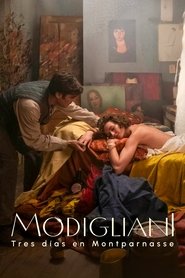
In 2020, he made his streaming debut with the series Hunters, playing a Nazi hunter in 1970s New York. By 2024, the actor focused his efforts on directing Modì, a biopic about the artist Amedeo Modigliani. The film premiered at the San Sebastián Film Festival with a cast led by Riccardo Scamarcio.
Pacino published his memoir, titled Sonny Boy, in October 2024. The book details his struggle with bankruptcy after being swindled by his fund manager years earlier. As of 2024, he maintains his residence in Los Angeles and holds the rights to several Oscar Wilde works for future film adaptations.