The Face of Cold on Screen
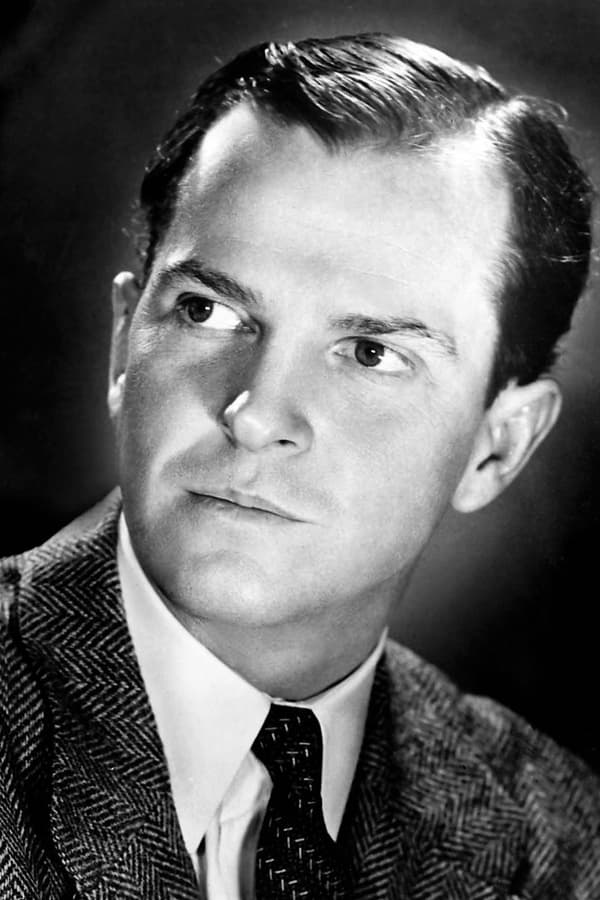
Alan Baxter was never the star whose name lit up the top of the marquee. His face, sharp and almost icy in its sobriety, served a different purpose. In 1930s Hollywood, studios looked for types who could deliver rapid-fire dialogue without blinking. He was one of those men.
He was not a typical leading man.
Hollywood signed him after seeing him on the Broadway stage. In 1935 he signed a contract with Paramount and soon realized his destiny was not romance. His first major opportunity came with Mary of Scotland in 1936. There he played Lord Darnley under the direction of John Ford and proved he could hold his own opposite Katharine Hepburn.
But the studio system typecast him quickly. He had a look that suggested dangerous intelligence. So for years he played gangsters who had read too many books, or killers who never broke a sweat under the lights. He appeared in more than fifty films before the industry began to change after the war.
The Villain Hitchcock Needed
In 1942, he appeared in Saboteur alongside Alfred Hitchcock. It was a complex shoot in which Baxter played a Nazi villain hiding within American society. His performance was dry and unadorned, and it worked because it avoided the caricature of the shouting bad guy. He was the neighbor next door who kept secrets in the basement.
Because Baxter understood that in film, less is more. During that period he worked with directors of the stature of Jean Renoir on This Land Is Mine in 1943. In that film he played a collaborator, and his performance still feels uncomfortable today because of its lack of histrionics. He was paid for his ability to unsettle audiences with a single gesture.
And the gamble paid off.
By the late 1940s, his star began to fade in leading film productions. But he didn't stop. He moved into television when the medium was still an experiment looked down on by the big names of the era. He appeared in series such as The Untouchables and Perry Mason, bringing the same professional rigidity he had shown in his film noir years.
Top-Tier Supporting Roles and His Final Years in California
In 1957, he worked on The True Story of Jesse James. It was one of his last major roles in big-budget films. His style stood in sharp contrast to the new wave of Method actors who were flooding movie sets. While others searched for inner emotion, he focused on technical precision.
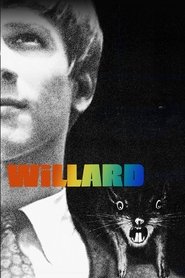
He never chased the cheap applause of the audience. He preferred the security of a weekly paycheck and the satisfaction of a job well done. In 1971 he had a minor role in Willard and kept working in small episodic parts until his health no longer allowed it. He racked up nearly a hundred credits over a career that spanned four decades of technological and narrative change.
Baxter died in Los Angeles in 1976 from pancreatic cancer. He rests in Westwood Village Memorial Park Cemetery. There were no major national tributes or farewell headlines. Just the quiet of a professional who kept his end of the bargain on every take.
His final credited appearance was in an episode of the series Falcon Crest, which aired posthumously.