Photogenic Looks as a Shock Tool
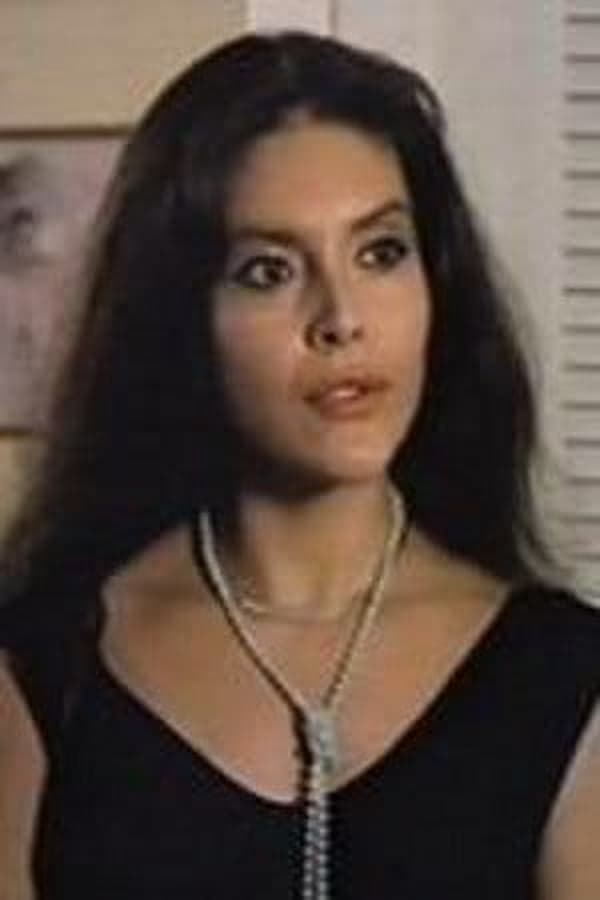
Ana de Sade broke into the industry back when contracts were signed on cafe napkins. By the late 1970s, her presence in titles like The Wanderer or The Cheerful Girls of Colsada defined a very specific look of the Spanish Transition era. She wasn't chasing the approval of serious critics. She preferred to work steadily on projects that filled neighborhood movie theaters.
And she achieved this effortlessly.
In 1979, she shot a film under the direction of Paul Naschy. That experience in genre cinema allowed her to move away from the physical typecasting that other actresses of her generation faced. Because Ana de Sade saw filmmaking as a technical craft, not just a way to expose her image to the spotlight.
Before shooting on location, she always reviewed the production schedule. This curiosity about what happened behind the cameras set her apart from her fellow cast members. But the Spanish market of the era was merciless toward women who wanted to be in charge.
The Production Bunker
In the mid-1980s, the actress made a decision that few in her inner circle understood. She decided that her name would appear in the production credits. She invested her capital in projects aimed at a clear commercial breakthrough in the European and Latin American markets.
It was a pragmatic decision.
In 1984, she took part in La noche de los castillos and other projects that combined visual spectacle with popular storytelling. Her profile changed accordingly. She stopped being the face that sold tickets and became the mind that balanced production budgets in a Spain that was beginning to lose its fear of the global film industry.
But film was not her only field. Her work in television and theater during the 1990s showed that her capacity for work went beyond the labels of the gossip press. She never wanted to feed the appetite of society columnists.
She kept her private life under lock and key.
Silence and Asset Management
The turn of the new century brought her a deliberate calm. In 2005, her public appearances dropped sharply as she focused on managing her personal businesses and advising new talent. She didn't need the spotlight because she already understood the inner workings of fame and its traps.
Many directors tried to bring her back for supporting roles in the 2010s. She turned down most offers because she had no interest in the scripts proposed. Because for Ana de Sade, film only made sense if the project posed a real logistical or financial challenge.
In 2021, she occasionally contributed to archival research to recover the memory of Spanish cinema during the Transition. She provided details about contracts and shoots that had been considered lost. Her technical account of the production costs of Paul Naschy's films remains a go-to source for film historians.
The last record of her professional activity dates to 2023, when she worked as a private consultant for a Madrid production company.