Trauma as a Creative Engine
David Fincher didn't want to set foot on a set again after the release of Alien 3 in 1992. The experience with Fox executives was so destructive that the director disowned the final cut before the film reached theaters. But that initial failure is what cemented his need for absolute control over every frame he shoots.
In 1995 the release of Seven proved that his dark, obsessive vision had a place at the global box office. The film grossed 327 million dollars and allowed Fincher to impose his terms in subsequent contracts. The director has never hidden his contempt for improvisation or lack of technical rigor on set.
He never again shot a film without absolute control over the final cut.
During the production of Fight Club in 1999, the budget ballooned to 63 million dollars. Critics of the time didn't get the cynicism of the film. But time put the movie in its rightful place through massive home video sales and the creation of a cult following that still lives on in internet forums.
The Tyranny of the Perfect Pixel
Fincher left traditional film far earlier than most of his contemporaries. In 2007, he used digital cameras to shoot Zodiac because he needed a precision that chemical negative couldn't offer him in night scenes. That decision changed his workflow forever.
He is famous for demanding dozens of takes of the same shot. During the filming of The Social Network in 2010, he made the actors perform ninety-nine takes of the opening scene at the bar. He did it so the dialogue would flow mechanically and lose any trace of theatrical acting.
Technology is his greatest ally in eliminating chance.
In his films, backgrounds are often digitally retouched to remove visual distractions or correct the architecture of a street. The use of invisible effects defines his style over large-scale action set pieces. For Fincher, image composition is an exact science that allows no deviation of even a single millimeter.
Refuge in Streaming
His relationship with Netflix began in 2013 with the production of House of Cards. That move was strategic. The director was looking for the financial freedom that major Hollywood studios were no longer willing to offer for mid-budget adult dramas. So he brought his perfectionism to the world of television series.
In 2017 he premiered Mindhunter and deepened his interest in criminal psychology and slow-paced police procedures. The series moved away from cheap scares to focus on framing composition and the rhythm of interviews. Fincher prefers the tension of a conversation to the adrenaline of a car chase.
Human error has no place on his monitor.
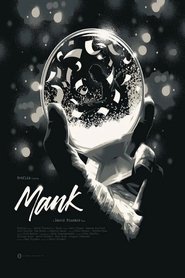
In 2020, he shot Mank in black and white as a tribute to film history and to the authorship of Citizen Kane. It was a personal project that his father wrote years before he passed away. The film earned ten Academy Award nominations and confirmed that the director doesn't need to follow market trends to stay professionally relevant.
In 2023, the release of The Killer closed an important technical chapter in his filmography. The film was shot entirely with Red V-Raptor cameras and Leica Summilux-C lenses to achieve extreme sharpness in low-light sequences. The final budget of the production exceeded 175 million dollars according to various industry sources.