The painter who decided to add sound
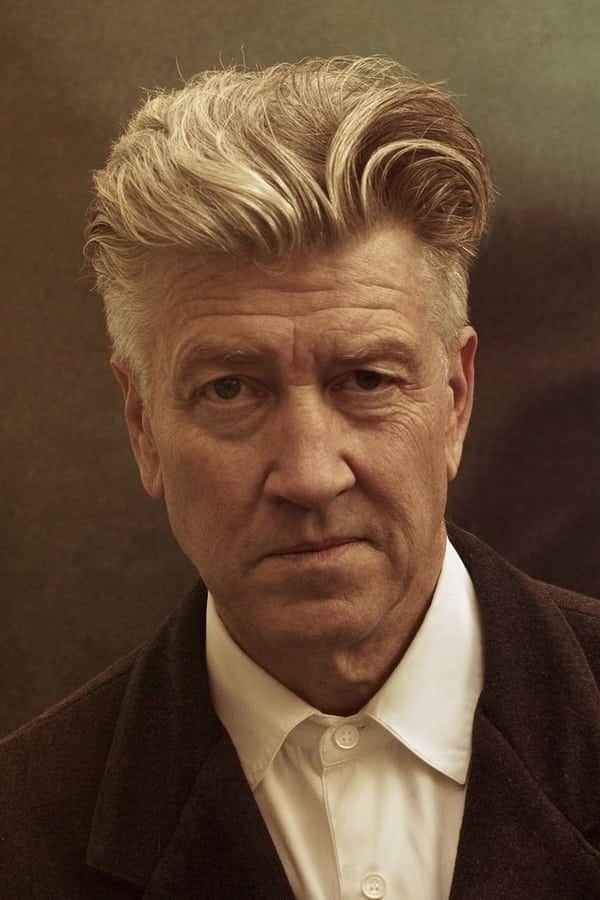
David Lynch never wanted to be a film director. His original plan was to paint pictures and live in a studio surrounded by canvases in Philadelphia. But in 1967, while working on one of his pieces, he watched the wind gently move the wet paint on the surface. At that moment, he felt he needed to add movement and sound to his images.
That impulse changed the course of modern surrealism.
He moved to Los Angeles with a grant from the American Film Institute to shoot Eraserhead. Production was an ordeal that dragged on for five years because the budget ran out every few months. Lynch had to scramble to keep the project of a film that almost no one in the industry understood alive.
Lynch slept on the set and delivered newspapers at night.
That experimental film became a midnight movie phenomenon. The underground success caught the attention of Mel Brooks, who unexpectedly entrusted him with directing The Elephant Man in 1980. The film earned eight Oscar nominations and proved that this unusual artist could handle million-dollar budgets without losing his identity.
The Arrakis Disaster and Total Control
In 1984, he accepted the assignment to direct Dune for producer Dino De Laurentiis. It was a traumatic experience. Lynch did not have final cut rights, and the film was mutilated in the editing room in an attempt to make it more commercial. The result was a critical and commercial failure that the director still refuses to discuss in depth today.
But that stumble was necessary for his creative survival. He learned that money meant nothing without absolute control over the final image. So he returned to his roots with Blue Velvet in 1986, exploring the rot hidden beneath the perfect lawns of American suburban neighborhoods.
He would never work again without total control over the final cut.
Television came knocking at his door in 1990 through Mark Frost. Together they created Twin Peaks, a series that broke the narrative conventions of the time by blending police drama with dreamlike elements and very strong black coffee. The question of who killed Laura Palmer gripped audiences around the world for months.
But ABC's pressure to solve the mystery ahead of schedule ruined the experience for Lynch. The director stepped away from the project after the second season and retreated once again to auteur cinema. Dense works such as Lost Highway and Mulholland Drive were born during this period, and in 2001 the latter was named by many critics the best film of its decade.
Seclusion and a Digital Comeback
After the release of Inland Empire in 2006, the director abandoned the traditional feature film format. He spent years shut away in his home in the Hollywood Hills, focused on painting, electronic music, and promoting Transcendental Meditation. Many believed his career in film had ended for good.
The mystery is more powerful than the resolution.
In 2017, he returned to direct eighteen episodes of Twin Peaks: The Return for Showtime. It was a marathon shoot in which Lynch worked like a painter with a digital brush, ignoring every rule of modern television pacing. The series played like an eighteen-hour movie that defied any attempt at logical explanation.
In August 2024, the director confirmed in an interview that he suffers from emphysema due to his long history as a smoker. The condition forces him to stay at home and use oxygen to get around, which makes it hard for him to be physically present on conventional film sets. But his mind keeps working on animated projects such as Snootworld.
His current activity is limited to supervising sound remixes for physical editions and creating short pieces from his personal computer. Lynch no longer seeks the approval of major studios or cares about weekend box office numbers. His routine begins every morning at 11:00 with a coffee and writing his daily weather reports for YouTube.