The weight of history in the frame
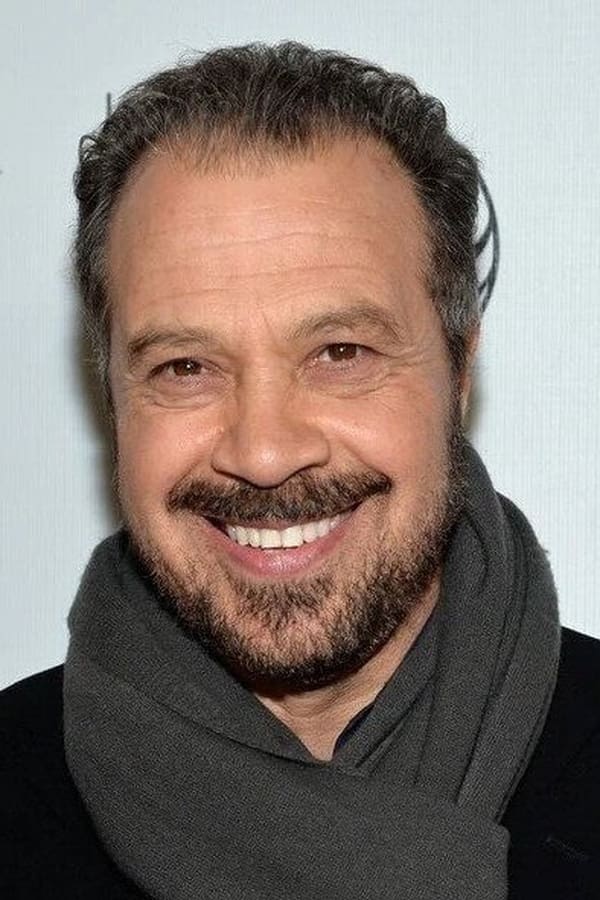
Edward Zwick has never been a director of long silences or empty visual experiments. His films are built on moral conflict and the massive scale of classic Hollywood production. He studied at the American Film Institute, where he learned that a good story needs a context that overwhelms it.
In 1989 he shot Glory and changed the way war films portrayed the American Civil War. The film not only performed at the box office but also got the Academy to take notice of a young Denzel Washington. The director chose to focus on the grime and real sacrifice instead of the clean heroism of earlier decades.
The industry labeled him right away.
But Zwick did not want to limit himself to American battlefields. In 1994 he released Legends of the Fall, a family drama that worked like a precision machine of emotion. The film cost $30 million and multiplied that figure at the global box office thanks to a visual style reminiscent of 1950s cinema.
The paradox of the successful producer
Sometimes recognition comes by indirect routes. Zwick founded the production company Bedford Falls with Marshall Herskovitz, and from that platform he pushed projects he did not always direct. That was the case of Shakespeare in Love in 1998. The film won the Oscar for Best Picture, and he took the stage as a producer while his directing career followed a different rhythm.
Because his real interest was always in ethical dilemmas under pressure.
In 2003 he went to Japan to shoot The Last Samurai with Tom Cruise. Many critics expected a financial disaster because of the script's cultural clash. Zwick decided to shoot much of the action with real stunt performers and limited the use of digital effects to preserve the texture of mud and blood. The result was $456 million in worldwide box office.
So his method became predictable for the studios but infallible for audiences. He repeated the formula of ethical conflict in 2006 with Blood Diamond, where he focused on mining exploitation in Sierra Leone. The film avoided easy preaching and favored the pace of a pure action thriller.
A Refuge in the Written Word
The following years were more uneven in terms of cultural impact. He shot Defiance in 2008 and Love & Other Drugs in 2010, trying genres that moved away from his comfort zone of epic films. In 2016 he returned to big-budget filmmaking with Jack Reacher: Never Go Back, although the reception was much cooler than for his earlier work with Tom Cruise.
But the reality on set was different.
Zwick has always kept a detailed diary of his shoots and of the tensions with top-tier stars. In 2024 he published his memoir, Hits, Flops, and Other Illusions. In it, he reveals the difficulties of working with actors with complex egos and the fragility of budgets in modern Hollywood.
The director notes in his pages that the visual effects budget of his later period often exceeded the total cost of his first three films combined. In 2023 the Directors Guild recorded that Zwick had taken part in more than 600 shooting days over four decades of uninterrupted activity. His last technical note in the book says he prefers 35mm film for the depth of field it offers in close-ups.