The Face That Held the Tension
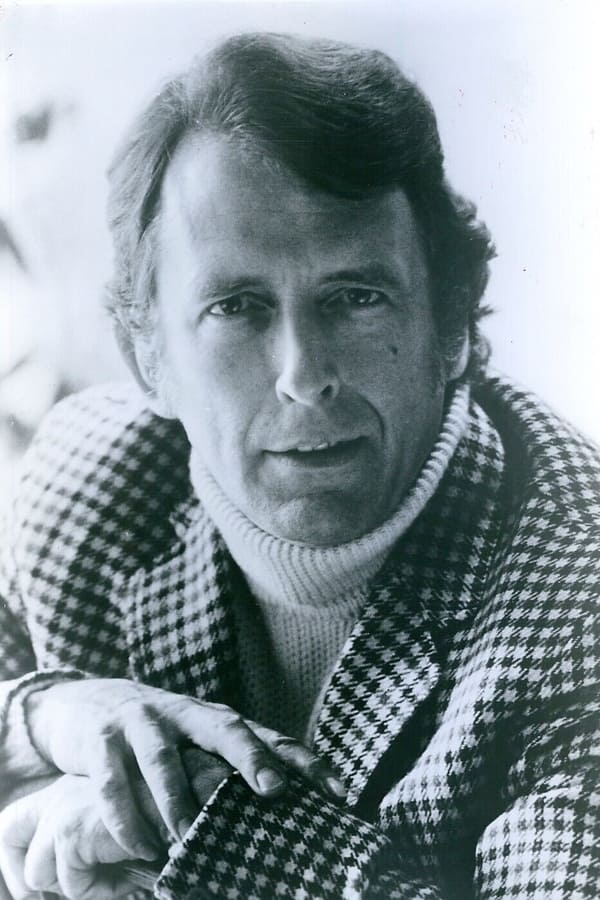
Fritz Weaver had a sharp jaw and a gaze that seemed to judge the viewer from the other side of the screen. In 1961, he starred in The Obsolete Man, one of the most suffocating episodes of the series The Twilight Zone. He played a dictatorial chancellor in a future where books were banned. But what truly captivated audiences was his deep voice, capable of filling any space without ever needing to shout.
He was born in Pittsburgh in 1926 into a family where intellectual life mattered more than the arts. His father was a social worker, and his mother came from an Italian family. He studied at the University of Chicago before deciding his place was on the New York stage.
He had the face of another era.
His stage career was the foundation for everything that came after. In 1970, he won the Tony Award for his role in the play Child’s Play, a drama exploring violence at a Catholic boarding school. That recognition allowed him to choose projects with more freedom in an industry that was beginning to take a closer look at character actors.
The Coldness of Military Command
In film, Weaver found a comfortable niche playing men of order who lose control under pressure. In 1964, he appeared in Fail Safe under the direction of Sidney Lumet. His character, Colonel Cascio, is tasked with showing the mental collapse brought on by the possibility of total nuclear war. It was a technical, restrained performance that avoided the excesses typical of the war films of the era.
And the industry took note of his talent for dry, understated drama.
Years later, in 1976, he appeared in Marathon Man alongside Dustin Hoffman. He played Professor Biesenthal in a plot involving espionage and former Nazis that still feels uncomfortable to watch today. Weaver didn't need to be the lead to make his presence felt in every scene of the film.
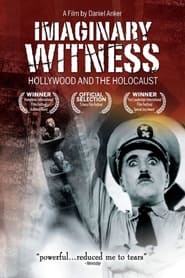
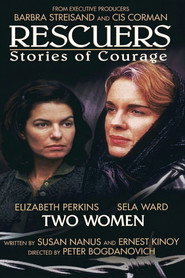
In 1978, he took on one of his most complex roles in the miniseries Holocaust. He played Dr. Josef Weiss, a role that earned him an Emmy Award nomination. The series had a massive social impact in several countries and led more than 120 million viewers to confront the brutality of the Nazi extermination through the small screen.
But his work was not limited to the screen.
The Retirement of a Luxury Supporting Actor
Throughout the 80s and 90s, he became a recurring voice in the documentary world. His deep, measured tone was perfect for narrating passages of military history or biographies of great historical figures. He alternated these recordings with appearances on series such as Law & Order and Star Trek: Deep Space Nine.
In 2016, he shot his final film, titled The Congressman. There were no grand farewells or large promotional campaigns marking his exit from the industry. Fritz Weaver died on November 26, 2016, at his Manhattan residence at the age of 90 from natural causes.