The Silent Stigma of Her Origins
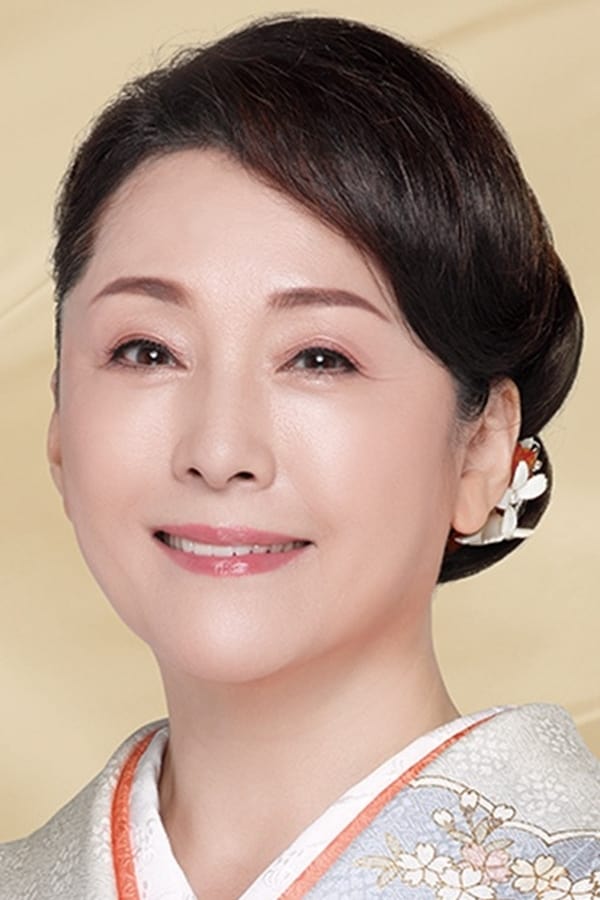
Keiko Matsuzaka was born in 1952 in a Tokyo that still smelled of ash and reconstruction. Her father was Korean and her mother was Japanese. This biographical detail shaped her identity in an industry that demanded an almost surgical purity from its female stars.
She started working as a child.
In the late 1960s she signed with the Daiei studio, but when the company shut down, she was pushed over to Shochiku in 1972. There she stopped being a promise and became the financial engine of the studio. Audiences adored her for a mix of fragility and a strength that never quite exploded on screen.
In 1978 she shot The Fall of Edo. It was one of the most expensive productions of the decade. But the real change in her career came when she decided that her pretty face alone wasn't enough to carry the weight of the years.
Then she sought out the difficult directors.
She worked with Kinji Fukasaku on Fall Guy during 1982. The film earned her her first serious critical recognition. Matsuzaka understood that Japanese commercial cinema was changing, and she needed to be among those taking risks with rawer scripts.
The Weight of Maturity at Cannes
The film The Sting of Death came out in 1990. Under the direction of Kohei Oguri, she played a woman on the verge of a mental breakdown over her husband's infidelities. The shoot was exhausting and psychologically demanding for the entire crew.
She won the Best Actress award at the Japan Academy Awards in 1991.
That performance opened the doors of European festivals, and the film won the Grand Jury Prize at Cannes. Matsuzaka was no longer just the face of cosmetics ads. Now she was a method actress capable of holding long, multi-minute takes without blinking.
But the Japanese film industry entered a phase of creative stagnation in the mid-1990s. Many actors of her generation disappeared with the arrival of digital video and the crisis of traditional movie theaters.
Survival and New Formats
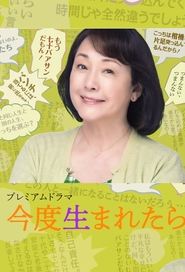
She turned to the stage and to major productions on public television. In 2008 she took part in the drama Atsuhime. It drew ratings above 20% in nearly every episode, something unthinkable in today's television market.
She had no problem accepting supporting roles if the script made sense.
In 2020 she joined the cast of Fukushima 50. The film depicts the nuclear disaster, and she brought the composure the drama needed amid its heavy male tension. Two years later, in 2022, she premiered Love Mooning, playing an older woman who discovers a new form of personal freedom.
Japanese cinema rarely treats actresses over sixty well. Matsuzaka broke that rule with a technical discipline that still intimidates her younger co-stars.
In 2023 she joined the cast of the series Ranman to play the protagonist's grandmother. The production had a budget of several million yen per episode and aired Monday through Saturday for six straight months. Her contract for the series included a total exclusivity clause for the duration of filming at the Shibuya studios.