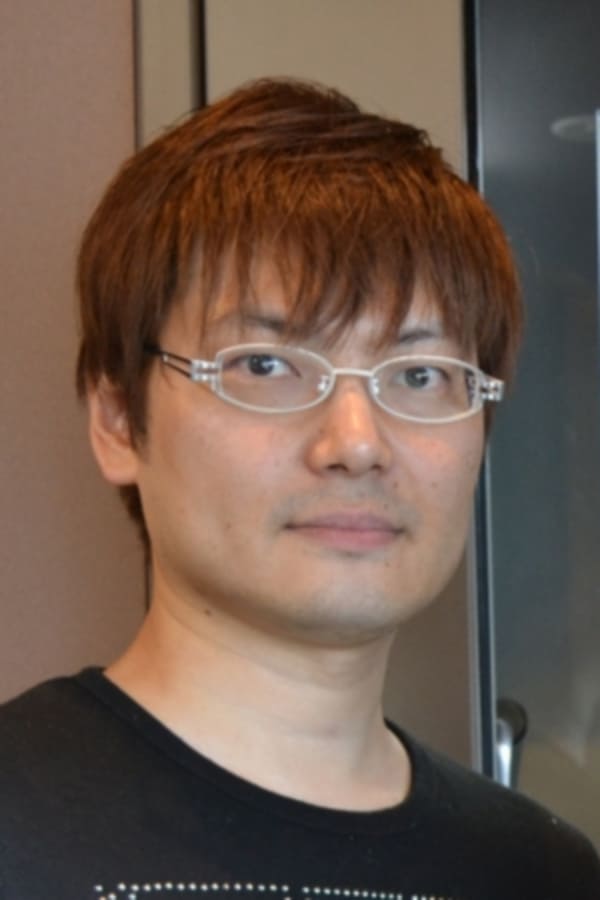
The screenwriter who doesn't ask for permission
Makoto Uezu rarely appears on promotional posters with giant lettering. But the credits of the noisiest scripts of the last few decades always carry their signature. They started out writing for video games, and that gave them a different mental structure. In 2002, they began their anime career and have since dissected other people's stories with a very sharp scalpel.
Uezu is a craftsman of rhythm.
Adapting a manga is not about copying and pasting dialogue into a Word document. The screenwriter understood this perfectly when working on School Days in 2007. That bloody, unconventional ending was an absolute statement of intent. The goal was not to please every reader of the original material but to provoke a visceral reaction in the viewer. That script shattered the conventions of school drama on Japanese television with its visual and narrative rawness.
Their professional partnership with director Seiji Kishi is one of the pillars of their career. Together, they have formed a duo that prioritizes emotional impact over blind fidelity. In 2013, they worked on Danganronpa: The Animation, and critics praised Uezu's ability to condense a thirty-hour video game into just thirteen episodes. It was a brutal exercise in synthesis.
Comedy as a Precision Tool
In 2016, they landed the project that gave them a different level of international visibility. They handled series composition for KonoSuba: God's Blessing on This Wonderful World!. Here they showed that absurd comedy demands more technical precision than the darkest drama. They stripped out the unnecessary elements from the light novels and enhanced the pathos of the main characters.
Comedy is all about timing.
The franchise's success relied heavily on how Uezu handled comedic timing. But they did not stagnate in humor. By 2014, they had already explored dark fantasy with Akame ga Kill!, where the protagonists' mortality rate defied the conventions of the shonen genre. They wrote episodes where hope faded within just twenty minutes of runtime.
Many screenwriters fear straying from the source material for fear of audience backlash. Uezu prefers to take risks. With Assassination Classroom (2015), they balanced a satirical tone with an educational undercurrent that surprised the industry. They made a yellow octopus a believable father figure for a global audience.
The Weight of Physical Violence
In 2019 he took on the challenge of adapting Kengan Ashura for a global streaming platform. The problem wasn't just the action but how to translate the physical brutality of the drawings into a narrative that wouldn't lose its force between fights. He opted for a classic tournament structure, but with dialogue that reinforced the psychology of each fighter. In 2023 he returned to this universe to write the second season of the series.
And the industry knows it.
His working method involves total immersion in the structure of the original material before changing a single comma. He has no interest in unnecessary embellishments. In 2021 he worked on Yuki Yuna is a Hero: The Great Mankai Chapter and proved that he still handles traumatic plot twists with the same ease he did a decade ago. His style is dry and functional.
In 2024, they signed the scripts for the third installment of KonoSuba after years of waiting from fans. Preproduction budgets for these adaptations usually close 18 months before the first episode airs. Makoto Uezu delivers final drafts before the animation team starts drawing the project's first storyboards.