The obsession with invisible noise
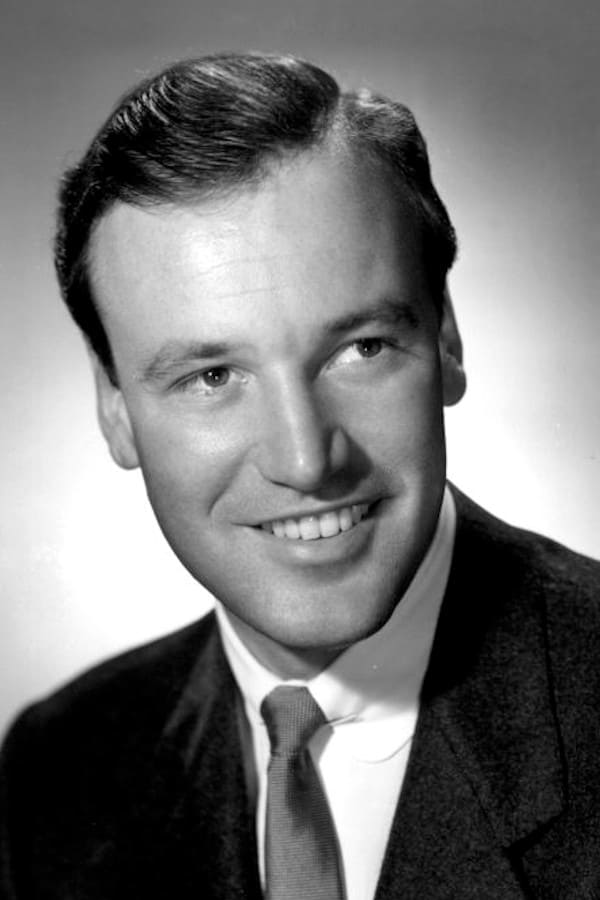
Richard Anderson never needed the public to know his name for his films to echo in the minds of half the planet. He was forged in an era when sound was made by hand and ingenuity outdid digital processing. He won a special Oscar in 1982 for his work on Raiders of the Lost Ark, and from that moment his career moved away from the industry's conventions.
He wasn't after noise for its own sake but for texture. For him, a whip was never just a crack. It was a layering of sounds that defined the threat before the object hit the screen. His true mastery, though, lay in knowing when silence was the loudest tool in the room.
And then came mass recognition.
He worked side by side with Steven Spielberg and George Lucas during a decade when sound design was evolving. In 1982, he made sure Poltergeist had the eerie atmosphere that still unsettles audiences today. His technique involved recording organic sounds and distorting them until they were unrecognizable yet strangely familiar.
The Craftsman of the Eighties
While filming Gremlins in 1984, Anderson faced the challenge of giving voice to creatures that didn't exist. He didn't rely on synthesizers alone. He preferred to experiment with animal noises and processed human breathing. That's how he made viewers feel a physical connection to the latex puppets.
His work on The Goonies in 1985 proved his style was perfect for family adventure films. He made the caves and wooden mechanisms sound heavy and dangerous. Anderson understood that sound accounts for fifty percent of the movie experience, even if producers sometimes forgot it.
It was an absolute golden era.
At the end of that decade, he became involved in darker projects such as Beetlejuice in 1988. There, the sound design had to be as eccentric as the aesthetic of Tim Burton. He blended the macabre with the comic without letting one part cancel out the other. His reputation as a problem-solver for technical challenges grew among the major Hollywood studios.
The Transition to Digital
The arrival of the 1990s brought new tools, but Anderson kept his hands-on work ethic. In 1990, he took part in Edward Scissorhands, where the sound of the blades had to be delicate and not just metallic. He sought a fragility that would support the performance of Johnny Depp.
But the market was changing, and machines were starting to replace field recorders. Anderson adapted without losing his essence. In 1996, he worked on Daylight and showed he could handle large disaster productions with the same precision as an intimate drama.
He never stopped experimenting.
In 2001, he joined the team on Shrek, bringing his experience to an industry that was already turning exclusively to computer animation. His job was to integrate realistic sounds into a digital world so the film's universe wouldn't feel empty. The result was a box office hit that redefined mainstream movies of that decade.
His final stage of his professional career focused on consulting and select projects where technical quality took precedence over delivery speed. In 2015, he helped supervise the sound for independent productions seeking the analog touch that only veterans preserve. Richard Anderson ended his active involvement with major studios with more than 100 credits in the sound department.