The Osaka Child Prodigy Who Didn't Want to Be an Actor
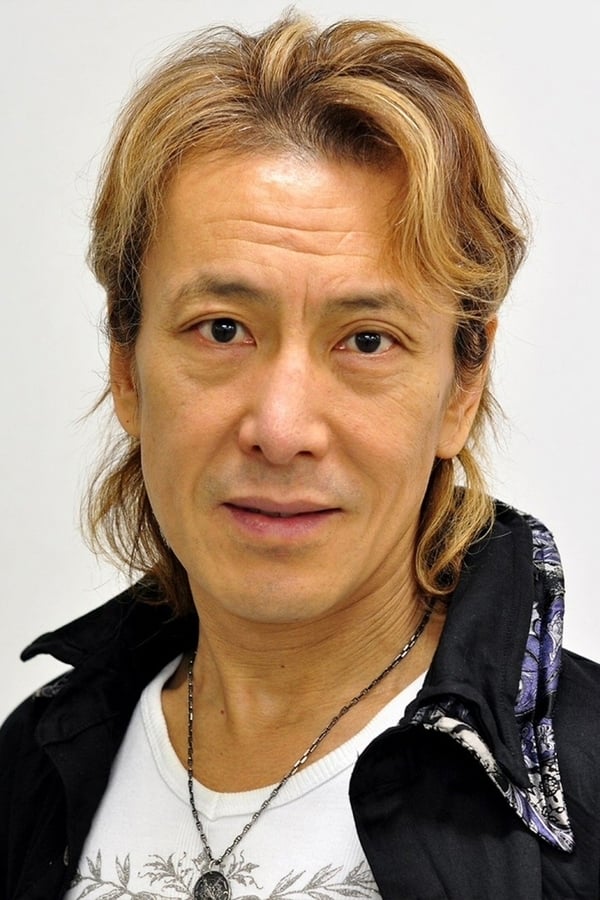
Ryou Horikawa was born in Osaka in 1958 and was already working in theater productions before he was old enough to drive. His training in classical Japanese theater gave him a technical foundation that few colleagues could match in the 1970s. But film and television had a place in store for him away from the spotlight and the cameras of conventional cinema.
At the end of that decade, he decided to make the leap into animation dubbing.
In 1984, he played Lin Kageyama in Yume Senshi Wingman. It was his first serious contact with mass animation. Although the success was moderate, it caught the attention of casting directors for his dry, sharp tone, which projected a natural authority. Before turning thirty, he was already a recurring name in Tokyo studios.
The Voice That Defined Arrogance in Anime
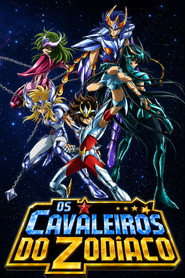
In 1986, he landed the role of Andromeda Shun in Saint Seiya. Horikawa had to adjust his register to fit the sensibility of a character who rejected violence by nature. It was an exercise in restraint that contrasted with the aggressiveness of the industry at the time.
Vegeta wasn't his first big break.
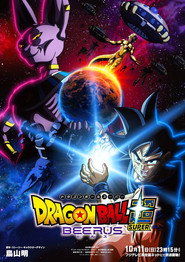
When he joined the cast of Dragon Ball Z in 1989, the actor had no idea that this arrogant prince would follow him for the next four decades. His performance moved away from the generic screaming of other villains of the time. He brought a touch of wounded aristocracy that struck a deep chord with Japanese audiences and, later, in international export markets.
But Horikawa never limited himself to repeating successful patterns. In 1988, he took on the role of Reinhard von Lohengramm in Legend of the Galactic Heroes. Here the register was different. Less visceral and far more cerebral. For him, the voice isn't a sound effect but an extension of body language, which he learned on the theater stage.
Talent Management and Life After the Mic
Unlike other professionals who fade over time, Horikawa took control of his career by founding his own agency and academy, Asu-Vocal School. He quickly understood that the voice business in Japan is a meat grinder if you don't have your own structure to protect your financial interests.
Japan's agency system is merciless.
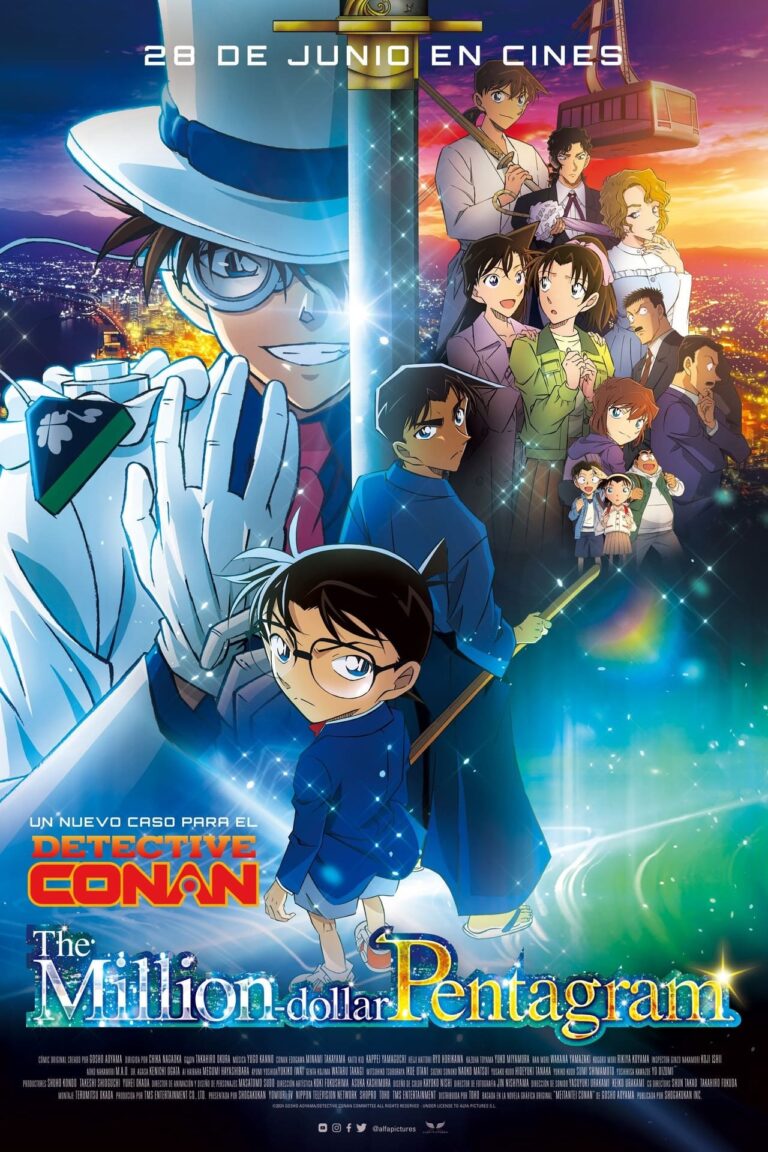
In 1996, he began bringing Heiji Hattori to life in Detective Conan. Using his native Kansai dialect let him relax in the studio and show a more down-to-earth side. It was a much-needed break from so many characters destined to save or destroy the universe. Horikawa charges per session rates that only a select few can demand in such a saturated market.
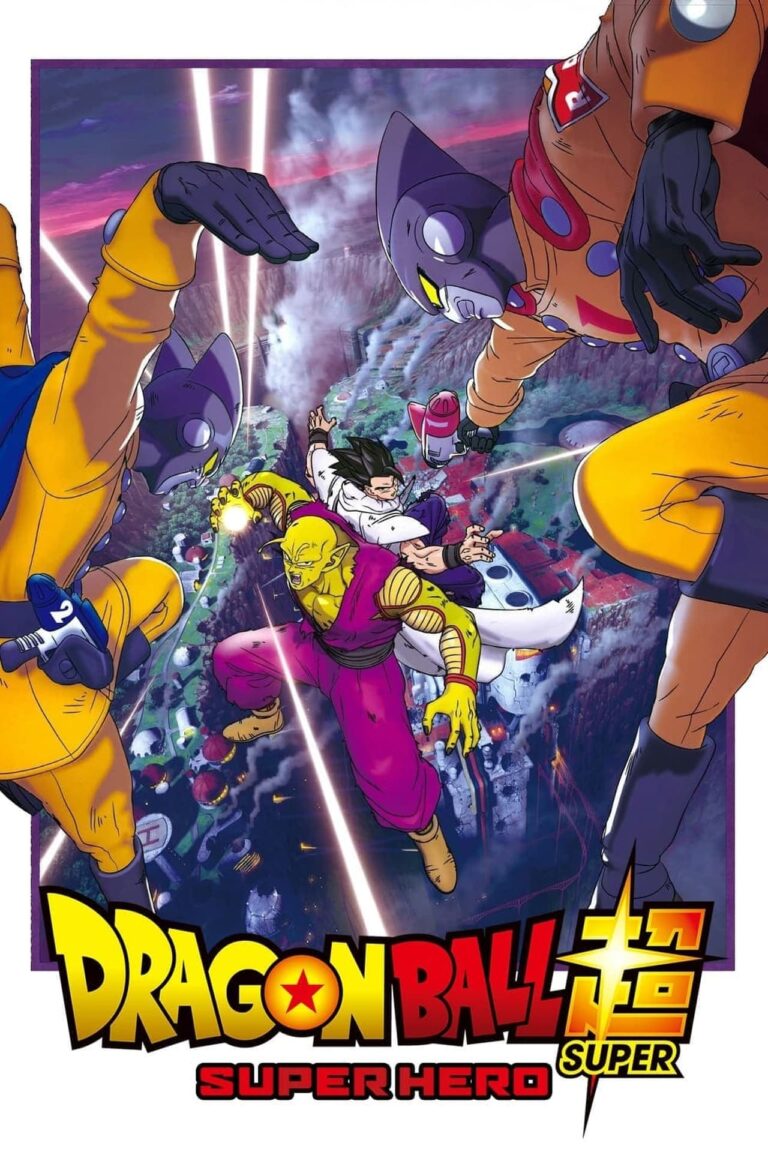
In 2022, he took part in the production of Dragon Ball Super: Super Hero. Animation technology had changed dramatically since his beginnings in the 1980s, but his vocal technique remained flawless. He rarely gives long interviews and prefers to talk about diaphragm technique or how classical theater shapes his approach to a science fiction script.
As of 2024, he keeps his schedule focused on training new talent and on selective collaborations for high-budget video games. The anime industry moved billions of yen in 2023, and Horikawa remains one of its most stable earners.