William Friedkin: The Master of Intensity and Visceral Realism
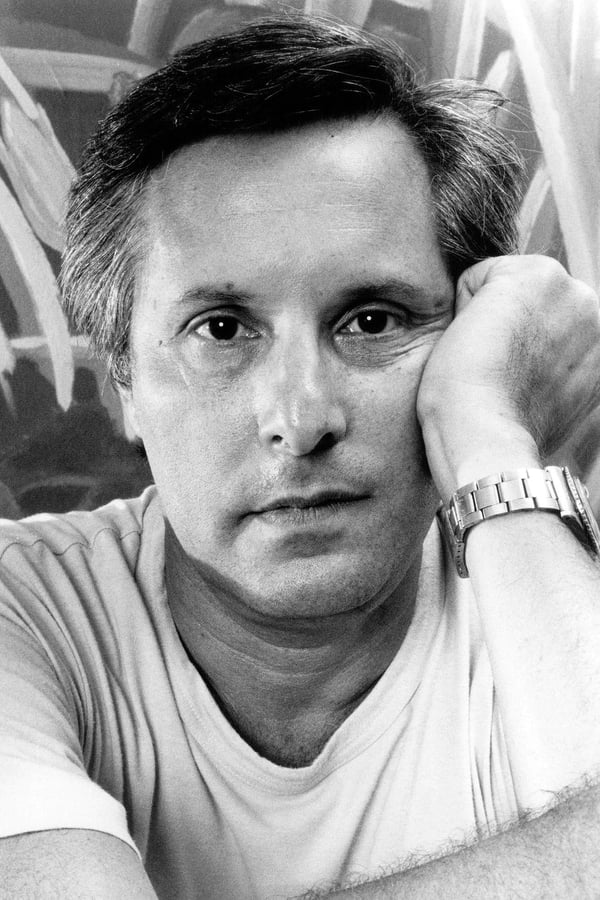
William Friedkin (1935-2023) remains one of the most imposing and singular figures in the history of contemporary cinema. Trained in the demanding school of television documentary in Chicago, Friedkin brought that raw, uncompromising eye to the big screen, becoming one of the cornerstones of the “New Hollywood.” His style, marked by an obsessive pursuit of authenticity and electrifying staging, redefined the thriller and horror genres, leaving an indelible mark that is still studied in film schools around the world.
The Foundations of an Unmistakable Style
Friedkin didn't see film as mere entertainment, but as an extreme sensory experience. After promising beginnings, his definitive breakthrough came with “The French Connection”. The film not only earned him the Academy Award for Best Director, but also gave cinema one of the most iconic and realistic car chases ever filmed. His ability to capture the grime and chaos of New York's streets through handheld camerawork and frenetic editing set a new standard for crime cinema.
The Phenomenon of “The Exorcist” and Creative Maturity
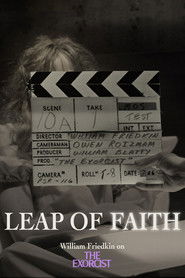
If his foray into noir changed the rules of the game, with “The Exorcist” Friedkin achieved something almost unattainable: elevating horror cinema to the status of major art and a sociological phenomenon. The film was not only an unprecedented box-office hit, but also showed his mastery in manipulating the atmosphere and psychology of the viewer, tackling theological and existential themes with a disturbing visual rawness.
Over the following decades, his career took risky paths that were often misunderstood at the time but are now celebrated as cult classics. Titles like “Sorcerer” (Carga maldita), his ambitious reinterpretation of “The Wages of Fear,” or the suffocating criminal thriller “To Live and Die in L.A.” attest to an auteur who never feared making audiences uncomfortable or taking on the major studios to preserve his artistic vision.
The cinematic legacy: “The Caine Mutiny Court-Martial”
The final stretch of his career was marked by a return to narrative and theatrical essence, where dialogue and acting took center stage. His posthumous work, “The Caine Mutiny Court-Martial”, premiered worldwide after his death, serves as a masterful close to his filmography. In this courtroom drama, Friedkin shows that his narrative pulse remained intact, dispensing with artifice to focus on dialectical tension and moral ambiguity.
This final project, shot with astonishing economy of means and surgical precision, serves as a reminder of his skill in drawing raw, visceral performances from his actors. International critics have largely agreed that this film is the perfect crowning achievement of a career dedicated to exploring the shadows of the human soul and the institutions that try to contain them.
A Legacy That Endures
The influence of William Friedkin on today's cinema is undeniable. Contemporary avant-garde directors constantly cite his use of sound, his almost documentary realism and his thematic daring as sources of inspiration. His legacy is not limited to his films alone, but extends to a work philosophy built on instinct and absolute risk.
Today, Friedkin stands as more than just a successful director; he is a true auteur who understood that cinema should, above all, be a provocation to the senses and the intellect. His complete filmography, from his early documentaries to his final testament in the legal drama, forms an essential map for understanding the evolution of the audiovisual language over the last half century.
- Major milestones: Oscar winner for “The French Connection” and nominee for “The Exorcist.”
- Latest notable work: “The Caine Mutiny Court-Martial,” considered his grand farewell to film.
- Style: Documentary realism, aggressive editing and high-intensity direction of actors with strong emotional depth.