The Man Who Wanted to Die in the Bathtub
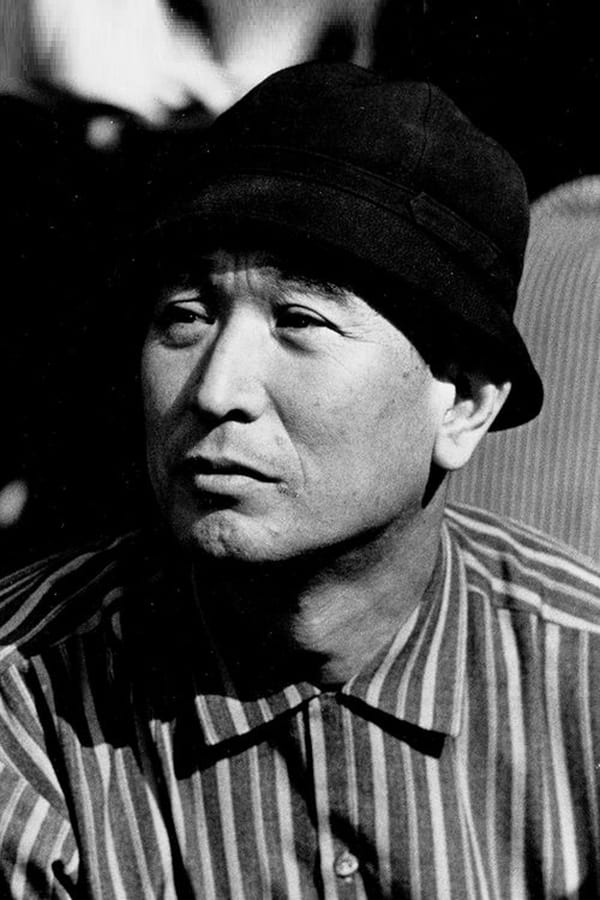
Akira Kurosawa slit his wrists in a bathtub on December 22, 1971. He was sixty-one years old, and the Japanese film industry saw him as an expensive burden after the box office collapse of Dodes'ka-den. He miraculously survived the thirty cuts he made on his neck and wrists.
That crisis was not a fit of diva temperament. It was the result of watching his world, that of the major studios and craft-based filmmaking, crumble in the face of television and shrinking budgets.
Before becoming an emperor of cinema, he was a frustrated painter. His brother Heigo, who made a living as a silent film narrator, was the one who forced him to face reality head-on in the ruins of the 1923 Great Kanto earthquake.
That walk among corpses set his visual grammar forever.
In 1943, he made his debut with Sanshiro Sugata. But his true international breakthrough came when an Italian distributor sent Rashomon to the Venice Film Festival in 1951 without Kurosawa's knowledge.
And the gamble paid off.
The Dictatorship of Editing and the Mifune Factor
Success in Europe changed the rules of the game. Kurosawa began demanding budgets that terrified Toho's producers, because his technique was exhausting for the financiers.
He used three cameras at once so as not to interrupt the flow of the actors. He required that the editing be done every night right after the day's shoot, so the film was ready just a few days after the last scene was recorded.
Toshiro Mifune was his primary go-to actor across sixteen films. The actor brought an animal energy that contrasted with the director's obsession with absolute order.
But the relationship broke down after Barbarossa in 1965.
Filming lasted two years, and Mifune was forced to keep a real beard that kept him from taking other jobs. It nearly drove him to financial ruin, and the two men never spoke to each other on a set again.
The Refuge of Foreign Masters
During the 1970s, the filmmaker had to look for funding beyond Japan's borders. The Soviet Union financed Dersu Uzala in 1975, a film shot under the extreme conditions of Siberia that restored his international prestige.
Because for him, cinema was a matter of physical endurance.
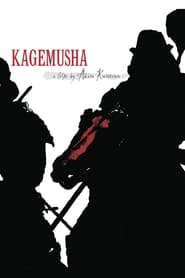
Years later, it was George Lucas and Francis Ford Coppola who produced Kagemusha in 1980 to save their mentor from inactivity. Thanks to that support, he was later able to shoot Ran in 1985, his definitive version of King Lear.
He invested 12 million dollars in a production that included building a royal castle only to burn it down to its foundations in a single take.
In his final years, he turned to smaller, more personal stories. In 1990, he premiered Dreams, produced by Steven Spielberg, in which he transformed his own nighttime visions into pure cinema fragments without a traditional narrative structure.
He died on September 6, 1998 from a stroke at his home in Setagaya, Tokyo.
He left an unfinished script titled After the Rain, which his collaborator Takashi Koizumi finally filmed in 1999. The director's personal archive contained more than two thousand hand-painted sketches that served as storyboards for his productions.