The Soldier Who Conquered Hollywood Hill
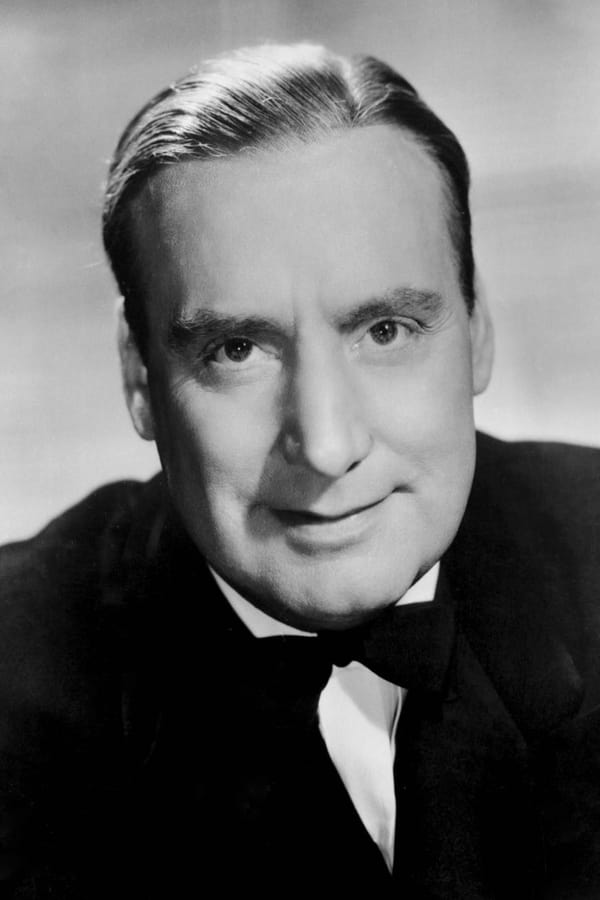
Alan Mowbray arrived in New York with barely fifty dollars in his pocket after surviving the trenches of the Great War. He was 1923, and that young Londoner carried a medal for valor but no guarantee of success on American stages. He started out touring traveling theater companies across the country.
And it worked.
In 1931 he landed his first significant film role in Alexander Hamilton. His aristocratic bearing and flawless British diction opened the doors of the era's major studios. But Mowbray did not want to be just a pretty face on screen.
He was a pure working actor.
The first union card
In 1933, the film industry treated performers as interchangeable pieces with no basic rights. Mowbray decided this had to end and used his own savings to fund the first meetings of what would become the Screen Actors Guild. He was the union's first official member, with card number one recorded in his professional profile.
He risked his position at a time when any attempt at unionization could mean ending up on a blacklist. But producers needed his physical presence to lend credibility to their stories. As a result, his career did not suffer the boycott that many had expected.
His talent for drama soon turned into a natural gift for sophisticated comedy. In 1936 he appeared in My Man Godfrey, where he proved he could be the perfect counterpoint to the studio system's biggest stars. Mowbray understood that the secret of the movies lay in the supporting players.
Butlers and Dapper Wordsmiths
His filmography amassed more than four hundred appearances over four decades of steady work. In 1937 he shot Topper, playing a butler who became the genre's benchmark for years to come. He was almost always cast as stiff gentlemen or servants who were far smarter than their masters.
He worked with John Ford in 1950 on the film Wagon Master, playing a peddler of dubious elixirs. The role moved away from his usual image of the English gentleman but kept the irony that made him recognizable to audiences. He never needed to top the marquee to drive the story forward.
He never stopped working.
In the late 1950s he adapted to the new medium and appeared in television series such as The Mickey Rooney Show. In 1954 he accepted the role of Stewart MacDuff in the comedy The Duke for NBC. He kept his residence in California until his final days, far from the major scandals of the gossip press.
He died in March 1969 in Hollywood from heart failure. His death certificate states that he was buried at Holy Cross Cemetery in Culver City. He left an estate valued at 12,000 dollars in liquid assets, according to probate records from that period.