The Actor Who Never Needed to Be First
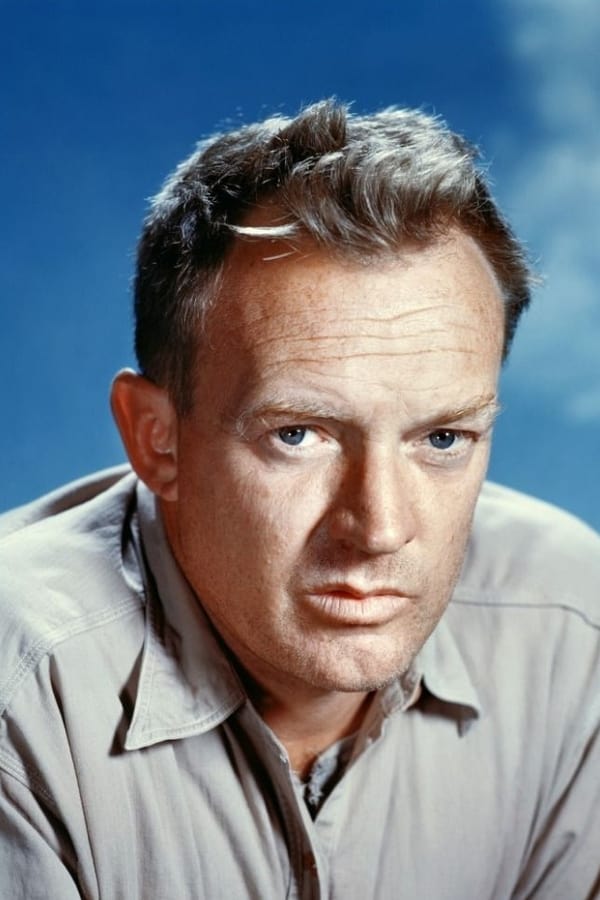
Arthur Kennedy earned five Oscar nominations in a single decade and won none. This fact perfectly defines his career in the American film industry. He was an essential face of the 1950s, but always in a supporting role that ended up overshadowing the leads.
James Stewart used to say that Kennedy was the best co-star you could have on a film set. In Horizontes lejanos and La fuerza del destino, he proved he could be the most despicable villain or the most loyal friend with just a flicker of a facial muscle. He had a gaze loaded with an ambiguity that unsettled the leading men of the era.
He was born in New York in 1914 and trained in theater before Hollywood came knocking. His encounter with playwright Arthur Miller fueled his early prestige. Kennedy was the first Biff Loman in the Broadway premiere of Death of a Salesman, and that success earned him a direct path to the major studios.
And the industry welcomed him with open arms.
In 1949 he earned his first nomination for El ídolo de barro, in which he played Kirk Douglas's brother. Audiences immediately connected with his ability to portray the ordinary man who suffers in silence. But Kennedy didn't want to be the hero of the story, because he preferred the gray nuances of supporting characters.
A Haven in European Cinema
In the mid-1960s the studio system began to crumble, and Kennedy sought refuge in international productions. He took part in Lawrence of Arabia in 1962, bringing to life the journalist Jackson Bentley. That role allowed him to work on a technical scale he had never experienced in his earlier psychological dramas.
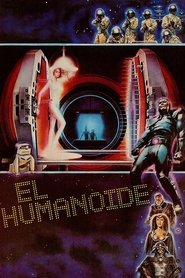
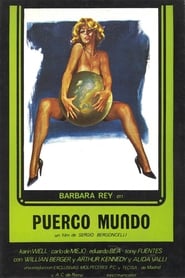
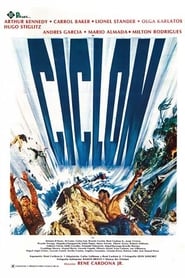
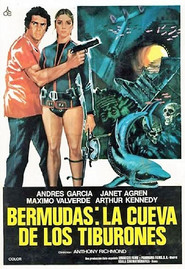
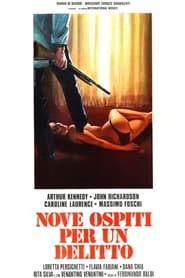
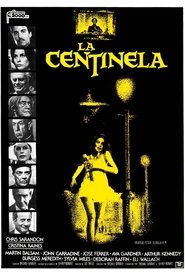
But the decline of quality scripts in California pushed him definitively toward Europe. He shot more than a dozen films in Italy and Spain during the 1970s. Many of these movies were B-movie productions that today are remembered only by collectors of the most extreme genre cinema.
Money ruled over prestige.
In 1974 he accepted a role in the horror film No profanar el sueño de los muertos, directed by Spaniard Jorge Grau. Kennedy played a skeptical, authoritarian police inspector in a rural English setting recreated between Madrid and Manchester. It was one of his most curious forays into European cult cinema.
The Silent Years in Connecticut
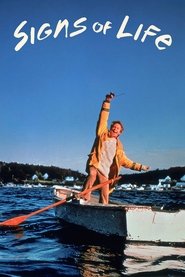
Kennedy's health began to decline due to vision problems that made it difficult for him to read scripts fluently. So he decided to space out his appearances and be much more selective about the film shoots he accepted outside the United States. In 1989, he made his last feature film, titled Signs of Life, under the direction of Robert Bierman.
He never publicly complained about his lack of major awards, despite being one of the most respected figures among his fellow actors. For him, acting was a technical craft that required precision and little sentimentality off camera. He retired to his home in Connecticut to step away from the media noise he never fully understood.
He died in 1990 at a hospital in Branford from a brain tumor. He was 76 years old and left behind a filmography of more than ninety titles across film and television.