The Seventies Mud
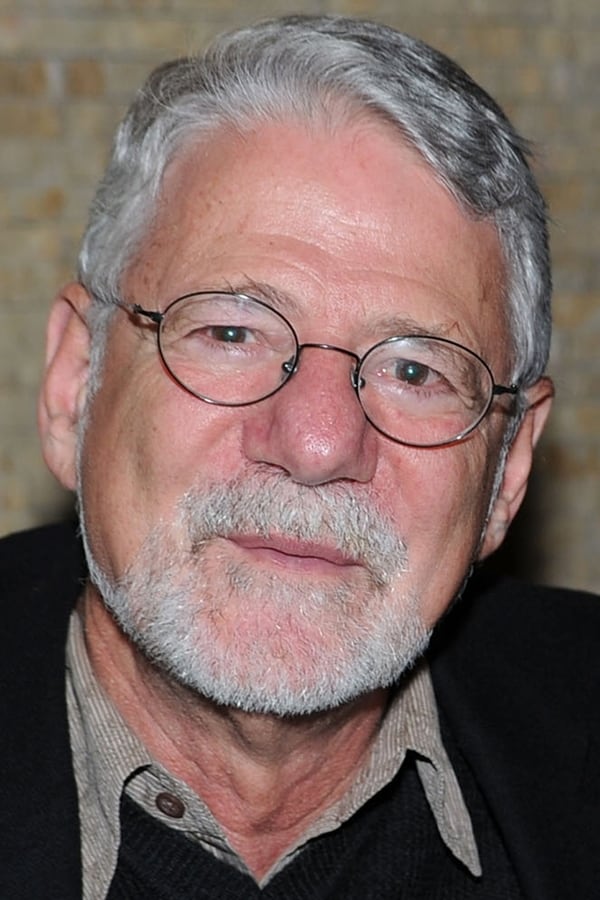
Barrie M. Osborne didn't get into film because of a teenage artistic impulse. In 1970, he served as an officer in the United States Army, and that training in military logistics ended up being the cornerstone of his career. Upon returning from Vietnam, he joined the directors' guild to work as an assistant on productions that are now considered film history.
In 1979, he joined the crew of Apocalypse Now. That production was an absolute chaos of weather, money, and nerves, but Osborne learned there how to manage disaster in the middle of the jungle. Francis Ford Coppola needed order, and the young war veteran knew exactly how to give clear instructions under pressure.
Logistics were his real weapon.
Throughout the 1980s, he jumped from one project to the next without a break. He worked on The Big Chill in 1983 and later on The Cotton Club, where he once again faced ballooning budgets. His name started to circulate in major studio offices as the man who could keep the finances under control without stifling the director's creativity.
New Zealand's billion-dollar boom
In 1999, Osborne produced The Matrix, and the result changed the way people understood modern action cinema. But his biggest personal gamble was still ahead. Peter Jackson recruited him for a mission that many considered a financial suicide, since shooting three films back to back on the other side of the world was an unprecedented risk.
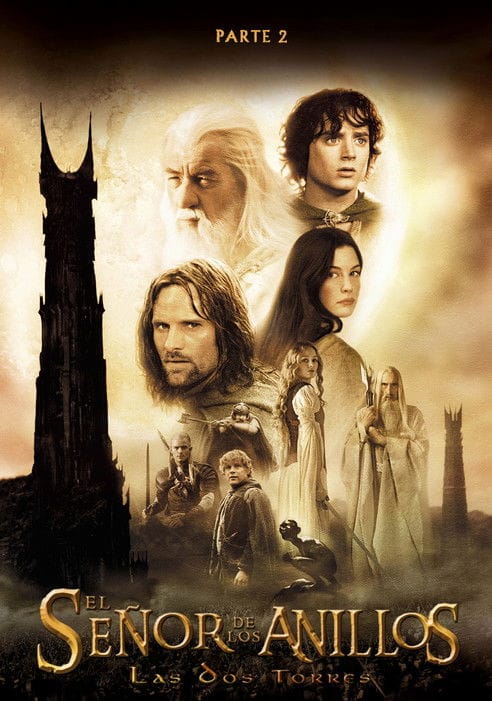
Osborne moved to New Zealand and managed an army of technicians and artists for years. In 2003, the Academy honored his work with the Oscar for Best Picture for The Lord of the Rings: The Return of the King. That project injected more than $300 million into the New Zealand economy and professionalized the local visual effects industry.
New Zealand became his permanent base of operations.
Success didn't keep him confined to Hollywood offices. Osborne preferred to keep exploring territories where production was still a technical challenge. In 2013, he produced The Great Gatsby by Baz Luhrmann, taking advantage of Australia's tax incentives and proving he could handle baroque aesthetics with the same precision as epic fantasy battles.
Emerging Markets and Global Budgets
Starting in 2014, he set his sights on the Indian film industry. Osborne understood before many other Western producers that the Asian market was not just a place to release films but a world-class logistics hub. In 2016, he worked on the production of Pete's Dragon for Disney, returning to the natural landscapes he knew so well.
But his interest in stories with international reach led him to take on more complex projects. In 2015, he took part in the production of The Prophet, an animated film based on the work of Kahlil Gibran. It was a complete change of pace, in which the budget was managed across several countries to ensure the creative team's freedom.
There was no turning back.
In 2020, he served as executive producer on the live-action version of Mulan. The film had a production budget of $200 million, and Osborne coordinated much of the logistics across international locations before border closures complicated the release schedule. He remains involved in large-scale global projects in Asian markets that are in pre-production for the 2025–2027 period.