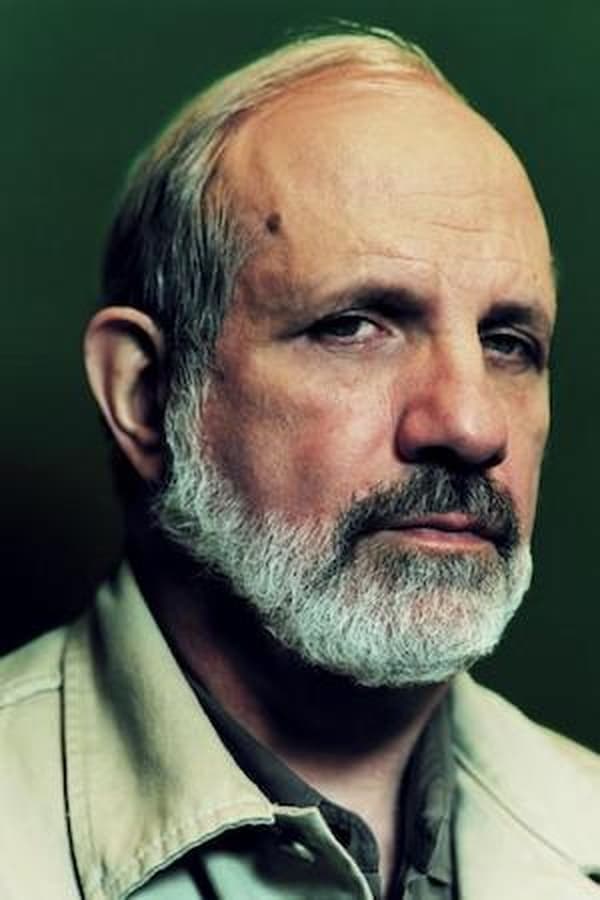
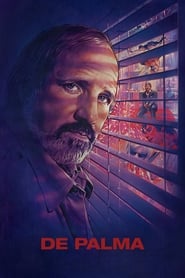
Brian De Palma watched his father perform orthopedic surgeries through the cracks of the hospital doors in Philadelphia. That clinical coolness shaped how he understood framing from the very beginning. For this director, cinema was never a matter of feelings but of pure visual mechanics. In his hands, the camera works like a scalpel that dissects the viewer's paranoia.
The gaze of a professional voyeur.
He was part of the generation that stormed Hollywood in the 1970s alongside names like Scorsese and Spielberg. But while his peers sought redemption or wonder, De Palma preferred to lock himself into the technical language of Alfred Hitchcock. In 1973, he shot Sisters and made it clear that suspense was a matter of geometry and split screens.
In 1976, he released Carrie on a budget of just 1.8 million dollars. The film multiplied that figure at the box office and proved that horror could be both elegant and baroque. De Palma didn't want to scare audiences cheaply. He wanted viewers to feel guilty for looking at what they shouldn't.
Style over morality
His films drew fierce criticism for their depiction of violence against women. In 1980, he released Dressed to Kill, and the most conservative sectors accused him of misogyny. But he always argued that his films were purely aesthetic constructions. The long take became his favorite tool for pulling audiences into impossible choreographed sequences.
In 1983, he directed Scarface from a screenplay by Oliver Stone. The shoot was a chaos of egos, and early critics were merciless toward Al Pacino's performance. Today that film generates millions in royalties from image rights and merchandising every year. It was the moment when his excessive style fit perfectly with the aesthetics of the decade.
And the gamble paid off.
During 1987, he shot The Untouchables and achieved his greatest commercial success within the major studio system. The train station scene in Chicago is an exercise in editing that stretches time to the unbearable. On that project he managed a budget of 20 million dollars and brought Sean Connery back to the front lines of the industry.
The Lean Years and European Exile
But the industry is often cruel to those who flop at the box office. In 1990, he directed The Bonfire of the Vanities, and the result was a financial disaster that nearly cost him access to big budgets. The specialized press went after the cast and a direction they considered too technical for a social satire.
In 1996, he accepted the assignment of Mission: Impossible. It was a luxury-hired-gun job in which he showed he could tame his ego to serve a star like Tom Cruise. The film grossed more than 450 million dollars worldwide. That gave him enough clout to shoot more personal projects that once again divided audiences.
The camera always moves for a technical reason.
In 2007, he shot Redacted using digital cameras and the aesthetic of homemade video to denounce war crimes. It was a total break from his earlier visual style that barely found distribution in commercial theaters. From that point on, his projects began to depend on European funding and independent productions far from Los Angeles.
During 2019, he released Domino, shot on location in Denmark and Belgium, in a production plagued by financial problems. The director publicly disowned the final cut because the studio cut key scenes due to lack of funds. In 2020, he published his first novel, Are Snakes Necessary?, written with Susan Lehman. The book focuses on political scandals and the use of image as a tool for extortion.
In 2024, he worked on developing the feature film Sweet Vengeance, with a shooting schedule planned in the United States. The estimated budget for this production was set at 25 million dollars under independent financing.