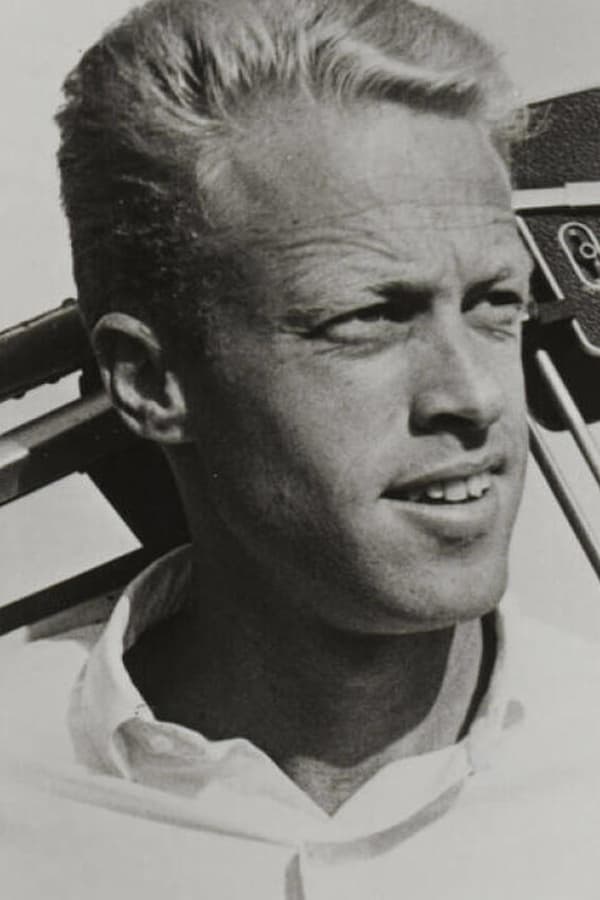
Bruce Brown didn't attend any film school or learn his craft at the major studios in Los Angeles. He bought his first 8mm camera with the money he saved during his military service in Hawaii in the late 1950s. He filmed his friends surfing because it was what he had on hand and because no one else was doing it with such a clean eye.
Those early screenings were rudimentary. Brown rented school auditoriums and narrated the images live into a microphone while playing jazz records in the background. He wasn't after glory, just the money to fund the next trip to the coast.
The 50,000 Dollar Myth
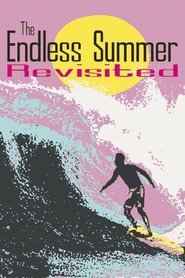
In 1964, he finished editing The Endless Summer after traveling halfway around the world in search of the perfect wave. The total budget was $50,000, a ridiculous figure even by the standards of the era. But no New York distributor wanted to buy it because they thought surfing didn't appeal to audiences outside California.
Brown did not give up. He rented a movie theater in Wichita, Kansas, in the middle of winter to prove that a surf film could succeed far from the ocean.
It was a resounding success.
The film ended up earning millions of dollars after its massive commercial release in 1966. The secret lay in its rhythmic editing and in that voiceover that treated the viewer like a fellow traveler. Brown avoided technicalities and focused on the freedom of two kids who just wanted the summer to never end.
And the gamble paid off.
Mud, Gasoline and Steve McQueen
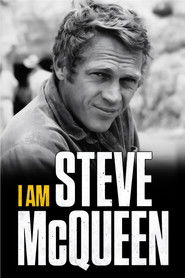
In the early seventies, the director traded surfboards for motorcycles. Brown was a motorcycle enthusiast and convinced his friend Steve McQueen to finance and appear in On Any Sunday. Filming in 1971 once again broke technical conventions by using slow motion that captured the dust and effort of the riders in an unprecedented way.
The film received an Academy Award nomination for Best Documentary Feature in 1972.
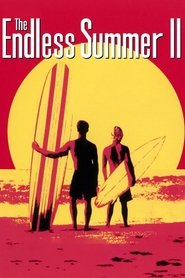
But Brown did not like the pressure of the industry. He preferred to retire to his ranch near Santa Barbara to restore cars and enjoy anonymity for almost two decades. He only returned to directing in 1994 to shoot The Endless Summer II with a much bigger budget and digital tools.
The result was a work that worked as a mirror of the original.
The production of that sequel cost about $3.5 million and was sponsored by major sports brands. Brown no longer narrated live from the back of a dark room, but his style remained recognizable for that lack of pretension that is so hard to find in action cinema.
Bruce Brown died in his sleep at his home in California in December 2017. He was 80 years old and was still living by the sea. His original film reels are today kept in specialized facilities to prevent the celluloid from deteriorating from the salt air.