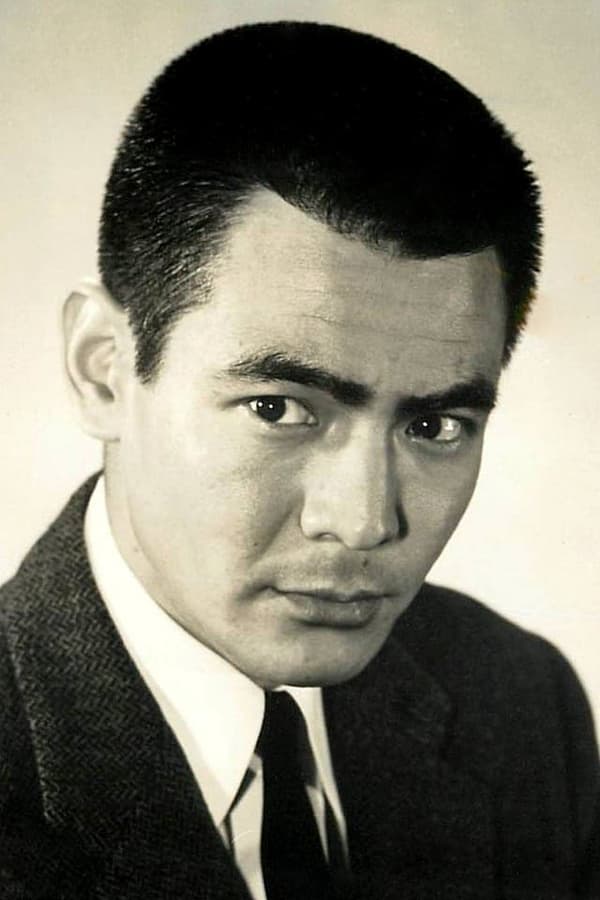
Bunta Sugawara wasn't looking for fame when he walked the streets of Sendai.
He had an athlete's build and the square jaw of someone who had been in more fights than he could count. In 1958, he made his film debut after a brief stint as a professional model. But his entry into the industry was not easy, because Shintoho studios collapsed financially just as he was starting to stand out.
He signed with Toei in 1961 and spent years playing supporting roles in low-budget action films. These were fast-paced productions where the actor learned to use his stare to intimidate the camera without needing to deliver big speeches.
And the gamble paid off.
The Gritty Realism of Hiroshima's Streets
In 1973, Sugawara played Shozo Hirono in Battles Without Honor and Humanity. It was a head-on clash with the romanticized samurai films that dominated Japan. Director Kinji Fukasaku wanted blood, mud and real betrayals (no ancient codes of honor).
That film broke the mold of the Japanese crime genre. Sugawara brought a raw energy that connected with a young audience tired of idealized postwar stories. The success was so massive that the series produced five installments in just two years.
But the actor didn't want to be typecast as a violent gangster. He knew audiences could tire quickly if he offered only shouting and gunfire in dark alleys of Hiroshima.
Nobody expected a tough guy like him to be good at making people laugh.
Comedy as an Unexpected Refuge
In 1975, he launched the film series Tora-san, playing a joking and somewhat crude truck driver. It was a complete change of pace that moved him away from the image of a relentless killer and brought him closer to the Japanese working class. The franchise stretched across ten films shot between 1975 and 1979.
Those years defined his status in the industry. He could move from a suffocating crime drama to a road-trip comedy without losing an ounce of credibility. Because Sugawara didn't act; he simply inhabited the space with a naturalness that few of his generation could match.
During the 1980s, he slowed down his film work to explore television. He appeared in big-budget historical dramas where his physical presence remained his best working tool.
His voice also became a key element of contemporary cinema.
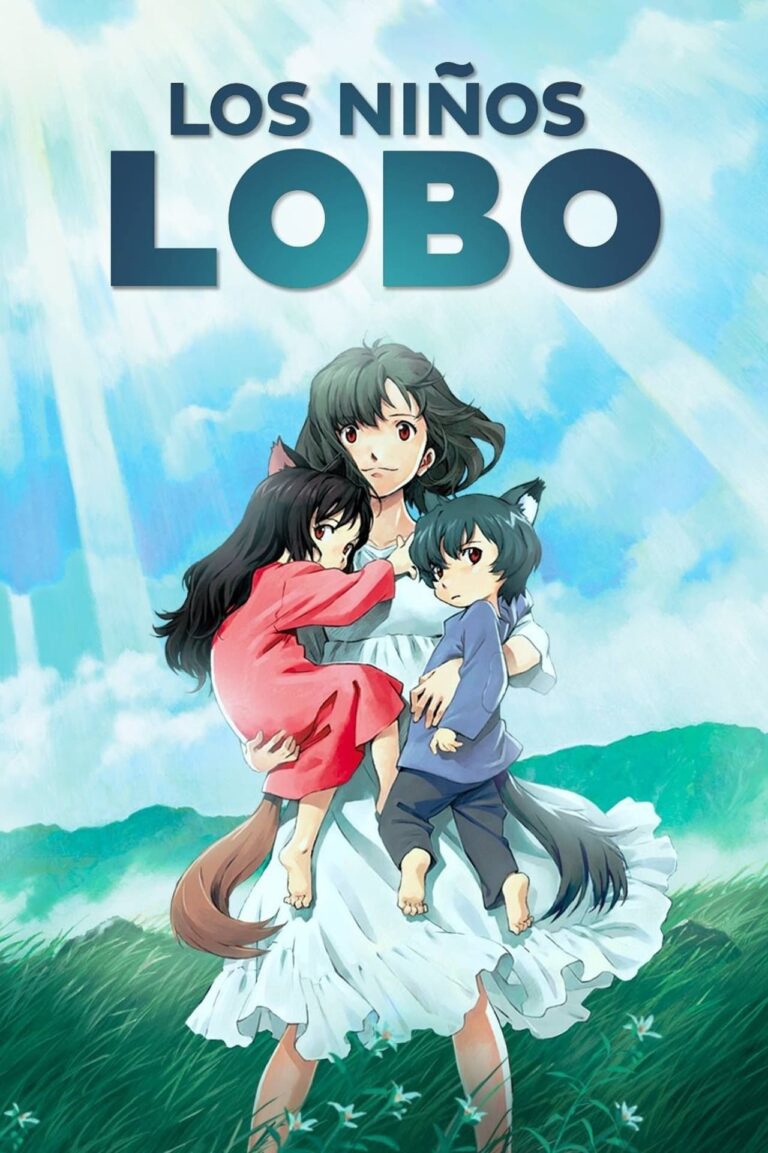
In 2001, he voiced the character Kamaji in Spirited Away. Director Hayao Miyazaki wanted a voice that conveyed both wisdom and weariness. It was one of his most memorable animation roles, along with his part in Wolf Children in 2012.
That same year, he announced his permanent retirement from acting.
He moved to Yamanashi Prefecture to devote himself to organic farming. In his final years he kept away from the spotlight and openly criticized his country's rearmament policy in various public forums. He traded scripts for growing vegetables and championing active pacifism.
He died on November 28, 2014, at a hospital in Tokyo. The cause was liver cancer complicated by kidney failure at the age of 81.