The Shoot That Foreshadowed the End
In May 1992, Carlos Saura lit up a Madrid soundstage to film a man who barely weighed eighty-eight pounds. José Monje Cruz sat in a wicker chair, fixed his gaze on the lens and sang sevillanas with a dry fury that chilled the film crew.
Two months later, he was dead.
That footage for the film Sevillanas ended up being the visual legacy of a singer who shattered the molds of flamenco without ever setting foot in a music school. Because Camarón didn't theorize. He walked into the studio, listened to an electric bass track and decided on the spot whether it was worth keeping or headed straight for the trash.
The Umbrete Lab and the Electric Shock
In 1969, he had signed his first serious contract with Paco de Lucía under the guidance of the guitarist's father. They recorded nine canonical albums, clean and flawless from a formal standpoint.
But by the late seventies, his body was asking for something else.
He locked himself away with producer Ricardo Pachón on a Sevillian farm with progressive rock musicians, fretless bass, drums and keyboards. The result was La leyenda del tiempo, released in 1979. Vinyl returns in stores hit 70% in the first few weeks because the purist buyers demanded their money back after hearing synthesizers and verses by Federico García Lorca.
So the industry turned its back on him for a while. The same critics who years later published academic treatises on his work dismissed the recording as commercial nonsense.
The Screen, the Celluloid and the Unpaid Debts
Cinema always viewed him with documentary fascination, although Monje himself was wary of television cameras. In 1975 he had appeared in scattered broadcasts on Televisión Española, but his relationship with the big screen was really built through directors who tried to reconstruct his image after his death.
Director Jaime Chávarri turned his life into fiction in 2005 with the film Camarón, starring Óscar Jaenada. The movie grossed more than four million euros at the Spanish box office and won three Goya Awards in 2006, proving that popular interest in his figure far exceeded the traditional cante jondo circuit.
And the myth devoured the person.
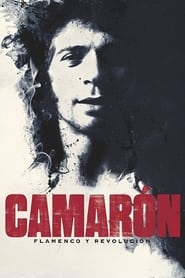
In 2018, filmmaker Alexis Morante made the documentary feature Camarón: Flamenco y revolución, using unseen home footage and cassette tapes the family had kept uncataloged. The film dismantled the heroic story to show a man suffocated by addiction, underpaid tours and contracts he signed without legal advice.
On July 2, 1992, the Germans Trias i Pujol hospital in Badalona certified his death from respiratory failure caused by lung cancer. He left a modest material inheritance: a secondhand Mercedes that had been seized and a handful of bank accounts in the red.