From the Editing Room to the Director's Chair
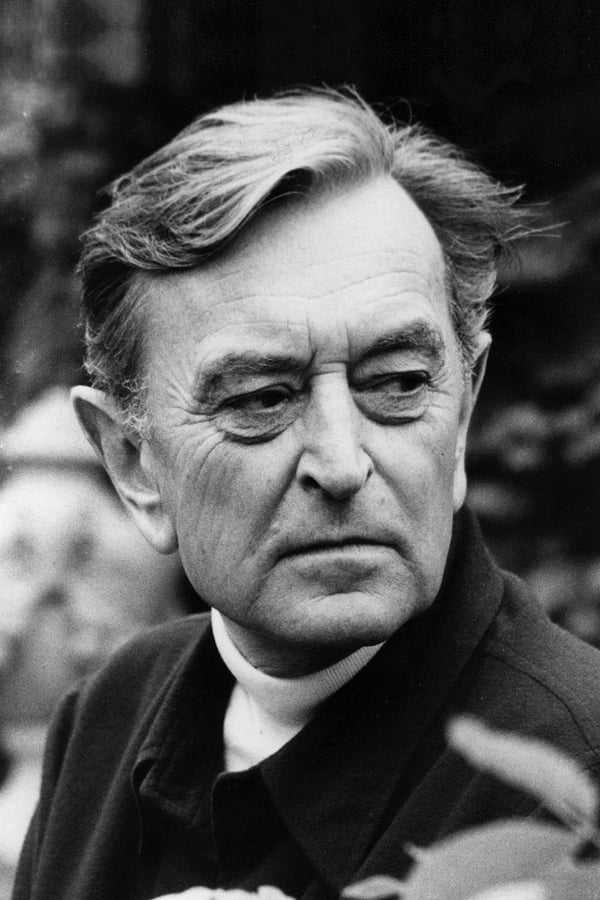
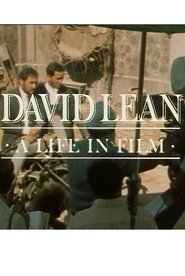
David Lean started out cutting film in the basements of the Gaumont-British studios. He didn't come to cinema with artistic pretensions but with the technical training of an editor, which let him grasp rhythm before narrative. In 1942, he directed In Which We Serve alongside Noel Coward. That collaboration gave him the tools to move into intimate drama with surgical precision.
His early British works are exercises in emotional restraint. With Brief Encounter (1945), he showed that the steam of a locomotive and a close-up could hurt more than a battlefield. But Lean didn't want to stay in the London studios. He had a growing obsession with physical space and with how the camera could devour the horizon.
British cinema changed scale without warning.
With Great Expectations (1946) and Oliver Twist (1948), he refined his use of depth of field. That was when black and white began to feel too small for him. But the real change of direction came when he decided that the landscape should be another character in his scripts.
Gigantism as a Language
In 1957, he shot The Bridge on the River Kwai in the jungles of Ceylon. It was a brutal shoot that cost three million dollars at the time. It won seven Academy Awards and gave him a free hand for his most ambitious project. Lean wanted to film the desert as no one had done before.
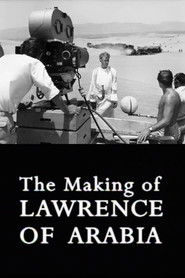
Lawrence of Arabia (1962) was the result of 285 days of shooting under a blazing sun. He used the 70mm format to capture the vastness of Jordan and Morocco. The film's editing is a lesson in visual transitions, where a dying match becomes the dawn over the desert. The world surrendered to a director who preferred to wait for hours until the light was perfect.
The industry wrote him off after the release of Ryan's Daughter.
Before that slump, he made Doctor Zhivago (1965). It was a massive box office hit that grossed more than 111 million dollars in the United States alone. But critics began to tire of his epics. They accused him of being cold and of caring more about the composition of the shot than the soul of the actors.
The Silence After the Disaster
In 1970, critics savagely tore apart Ryan's Daughter. Lean took the attacks personally and decided to step away from the cameras for fourteen years. He took refuge in his boats and his travels. But he never stopped looking for a story that would let him return to the top without giving up his visual style.
And the gamble paid off.
He returned in 1984 with A Passage to India. It was his last completed film and earned 11 Academy Award nominations. Shooting in India was tense, because Lean was still an obsessive perfectionist who wore out his crews. But the result was a masterpiece about cultural clashes and human misunderstanding.
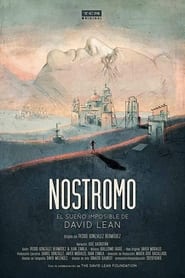
He died in 1991 while preparing an adaptation of Joseph Conrad's Nostromo. He had the script ready and the cast set, with names like Marlon Brando and Anthony Quinn. His technical legacy lies in his use of space and his patience in waiting for the perfect shot. The production cost of his last film came to 14 million dollars.