The Contract That Sold It All
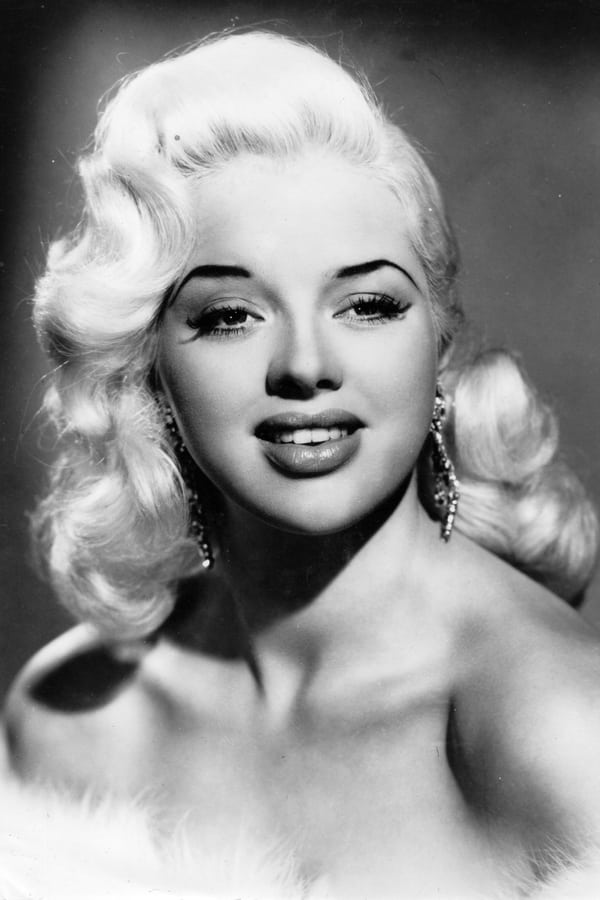
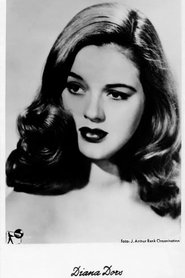
Diana Mary Fluck was born in Swindon in 1931, and at fourteen she was already lying about her age to get into the London Academy of Music and Dramatic Art. She wasn't after art for art's sake; she wanted to escape a postwar England that felt too small for her. She changed her surname to Dors because Fluck sounded too much like an insult in English.
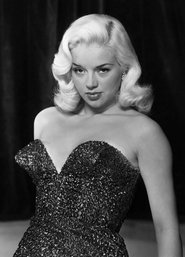
She was the first platinum blonde mass-produced by the British film industry.
She entered the Rank Organisation through her so-called charm school. There, she was molded into the local answer to Marilyn Monroe. In 1947 she filmed The Shop at Sly Corner, and audiences noticed her right away. But behind the bleached blonde hair was a businesswoman who understood the power of provocation.
Before turning twenty, she already had a pink Cadillac and a mansion paid for with lopsided contracts. She knew her looks were a bargaining chip with an expiration date. And the bet paid off for almost a decade of magazine covers and controlled scandals.
Punishment Cells and the American Failure
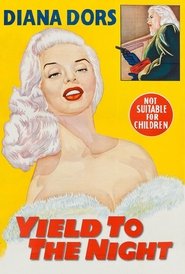
In 1956, she starred in Yield to the Night, her real attempt to get critics to take her seriously as a dramatic actress. She played a woman sentenced to death, based on the figure of Ruth Ellis. She took off her makeup and let the camera capture her gaunt face in a solitary confinement cell.
The critics were left speechless.
But Hollywood came calling, and her landing in the United States was a logistical disaster. Her first husband, Dennis Hamilton, nearly ruined every business opportunity with his violent behavior and absurd demands. She signed with RKO, but films such as The Unholy Wife from 1957 failed at the box office.
And the studios quickly lost interest.
She returned to the UK empty-handed, with a tax debt that would haunt her for years. The British press that once adored her began treating her like a relic from another era. So she decided to change strategy to survive being forgotten.
Surviving as a Luxury Supporting Actress
In the 1970s, she reinvented herself as a supporting actress and a regular figure on television. She appeared in horror films from the Amicus studio and in comedies that played on her image as a worldly, foul-mouthed mature woman. In 1970, she took part in There’s a Girl in My Soup and proved she had a sense of comedy far sharper than her early producers had believed.
She never regained her status as a leading star.
But she worked tirelessly in cabarets and talk shows to pay her bills. She wrote several memoirs that pulled no punches. In 1982, she published Dors by Diana, and the book revealed a woman who knew perfectly well how fame worked.
Her last film appearance was in Steaming, shot in 1984 and released posthumously a year later. Filming wrapped just weeks before her health collapsed for good.
In May 1984, the Windsor hospital confirmed her death from ovarian cancer at the age of fifty-two. Her declared estate at the time of her death was just over 200,000 pounds sterling.