The Gangster Who Preferred Museums
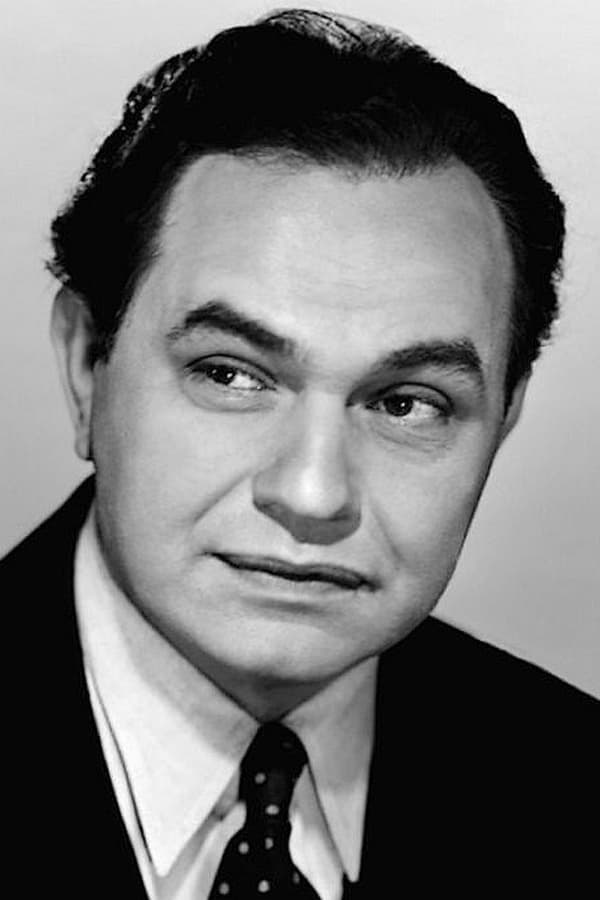
Emanuel Goldenberg stood just over five foot five and had a face that only a film noir casting director could love. He didn't fit the leading-man mold of the 1930s. But beneath that bulldog appearance was a cultured polyglot who collected Impressionist art and spoke seven languages fluently.
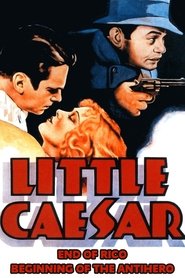
In 1931 he starred in Little Caesar, and the crime film changed forever. His performance as Rico Bandello was not designed to win audience sympathy but to portray the blind ambition of a man who dies wondering why this is happening to him. The role tied him to the image of a tough guy for decades.
The industry typecast him in gangster roles, even though he hated guns in real life. During shoots he often closed his eyes every time he had to fire a pistol. Special effects technicians had to find ways to keep his blinking from ruining the action shots.
His physique didn't fit the beauty standards of the era.
But his acting intelligence let him move from the mob boss's office to the insurance office in Double Indemnity in 1944. Billy Wilder knew Robinson was the only one who could match Fred MacMurray without raising his voice. His Barton Keyes is a masterclass in narrative precision that holds the entire plot of the film together.
The Red Scare and Inner Exile
Then came the 1950s and with them the hysteria of the House Un-American Activities Committee. Robinson was a committed liberal who had donated money to causes that suddenly looked suspicious to the government. His name ended up on the gray lists, and the major studios stopped calling him for leading roles.
He had to accept work in minor productions and travel to Europe to keep working. It was a period of professional humiliation in which he even had to sell much of his valuable art collection to pay lawyers and debts. The man who had been the box-office king was forced to beg for screen time.
Movies turned their back on him for years.
Cecil B. DeMille rescued him from obscurity in 1956. The director cast him as Dathan in The Ten Commandments despite political pressure. DeMille didn't share his ideology, but he knew nobody in Hollywood had a voice so commanding and capable of filling the Egyptian desert.
And the gamble paid off.
From there, his career entered a more mature phase in which supporting roles brought him more prestige than his earlier leading parts. In 1965 he appeared in The Cincinnati Kid alongside Steve McQueen. There, he proved that the old guard could still teach restraint to the new method stars.
The Last Will of a Weary Man
In 1973 he shot his final film, Soylent Green. He knew perfectly well that the bladder cancer he had was terminal and that he would not live to see the final cut. There is a scene where his character decides to die while listening to music and watching images of a nature that no longer exists.
Charlton Heston really cried in that scene because he was aware that his co-star was saying goodbye to life in front of the cameras. Robinson kept his professionalism until the last second of filming without complaining about the physical pain he was suffering. He died twelve days after finishing his scenes on set.
The industry reacted late.
The Academy of Motion Picture Arts and Sciences gave him an honorary Oscar in 1973 for his lifetime body of work. The award arrived just two months after his death and had to be accepted by his widow at a ceremony full of collective regret. Edward G. Robinson appeared in 101 feature films and never received a competitive nomination while he was alive.