Risk as the Only Currency
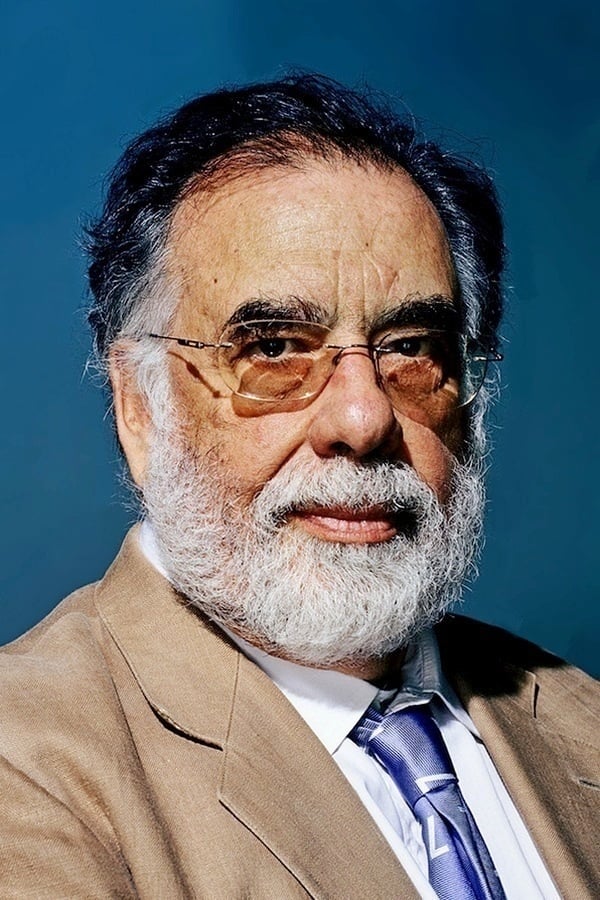
Francis Ford Coppola never wanted to be an employee of the system. He entered Hollywood through the back door, working for Roger Corman, and learned to shoot fast on miserable budgets. In 1963 he directed Dementia 13 and made it clear he could scare audiences with very few resources. That apprenticeship was vital for what came next.
In 1972, Coppola was not Paramount's first choice to direct El padrino: The Latin Godfather. Executives considered him an arrogant young man who was too obsessed with staying faithful to Mario Puzo's novel. But the director held firm on the casting of Marlon Brando and Al Pacino despite constant threats of being fired.
He put his neck on the line for every shot.
The film grossed more than $240 million at the original box office. That success gave him the power to found American Zoetrope and pursue total creative independence. He didn't want to depend on the major studios because he preferred to control every aspect of production.
Madness in the jungle and the financial abyss
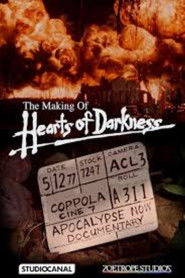
The shoot of Apocalypse Now in the Philippines lasted 238 days of pure chaos. Martin Sheen suffered a heart attack and a typhoon destroyed the main sets in the middle of production. Coppola put his own fortune and mental health on the line to finish a work that almost destroyed him professionally.
And the gamble paid off.
But the real financial disaster came with Megalopolis in 1982. He spent 27 million dollars on an experimental musical shot entirely on interior sets that earned only 600,000 dollars at the box office. That failure forced him to work as a director-for-hire for almost two decades to pay off his personal debts to the banks.
During the eighties and nineties he took on projects such as Rain Man and Bram Stoker's Dracula. The latter was a massive hit in 1992 that helped balance his production company's books. Because Coppola has always used commercial cinema to finance his personal obsessions.
The vineyard that bought freedom
In the late 1970s he bought the Inglenook property in the Napa Valley. What started as a family retreat became a wine empire that gave him lasting financial independence. Thanks to the wine, he was able to step away from the industry for ten years after the release of Rain Man in 1997.
He returned to directing with small, experimental, self-financed films. In 2007 he shot Youth Without Youth in Romania with a small crew and digital technology. It marked the start of a phase in which he no longer sought critical acclaim but instead explored the language of cinema.
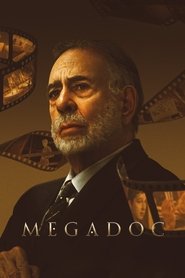
In 2024, Coppola presented Megalopolis at the Cannes Film Festival.
To get this project off the ground, he sold a significant part of his wine business and put $120 million of his own money into it. It's a film that ignores conventional narrative structures and refuses any commercial compromise with traditional distributors.
The film uses a projection system that, in some theaters, requires a live actor to take part during the screening. The final post-production budget exceeded initial projections due to the intensive use of handcrafted visual effects.