The Actor Who Earned More Than the President
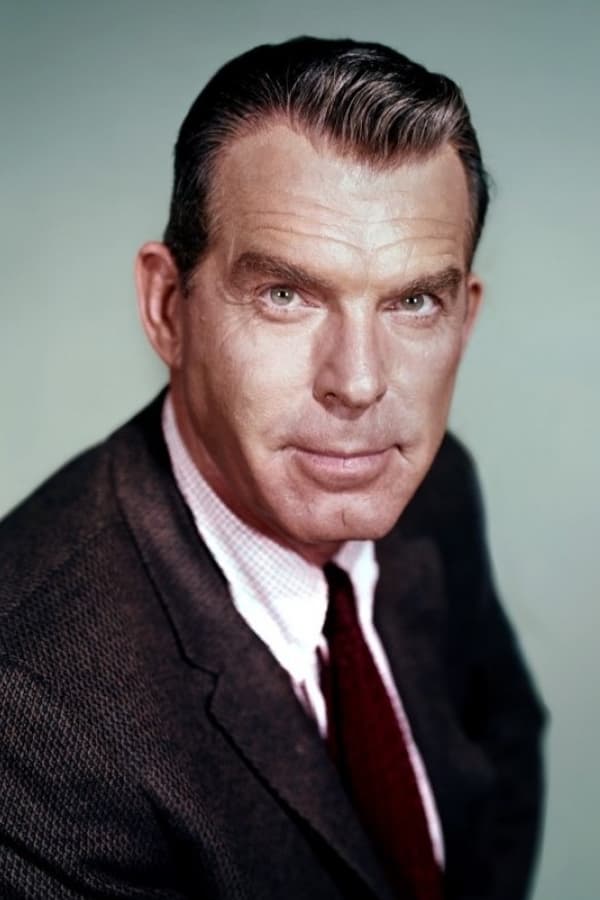
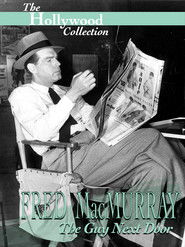
Fred MacMurray earned 420,000 dollars a year in 1943. He was the highest-paid actor in the United States, and he didn't need to pose as a tortured intellectual to get there. His everyman image with the square jaw hid a relentless manager of his own career.
Before stepping in front of a camera, he played saxophone in jazz bands around Chicago. He wasn't desperate for fame, but the industry found him on Broadway in the early 1930s. In 1934, he signed a contract with Paramount, and his good-neighbor face started bringing in real money.
His chemistry with Claudette Colbert in The Gilded Lily in 1935 cemented his image in the public imagination as the ultimate lightweight leading man. But Fred had a much darker side up his sleeve.
The Guy Who Didn't Want to Be a Killer
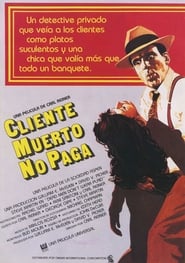
Billy Wilder had to chase him for weeks before he agreed to play Walter Neff in Double Indemnity. MacMurray was terrified of ruining his public image by playing an insurance salesman who plots a murder for a woman. In the end, he said yes because Wilder was a master of persuasion who could see the darkness behind the actor's smile.
And the gamble paid off.
In 1944, audiences discovered that this calm man could be an absolute cynic. That performance in film noir proved that his apparent normalcy was his best weapon for unsettling viewers. But he didn't get stuck in the darkness, because he understood that the real money was in family comedy.
In the late 1950s, his career took a turn toward family entertainment thanks to Walt Disney. Films like The Shaggy Dog in 1959 made him the face of the American middle class. Disney knew audiences trusted him implicitly, and Fred used that trust to secure his retirement.
The Business of Being the Perfect Dad
But his real financial breakthrough came with television.
In 1960, he began filming My Three Sons under contract terms that would sound like science fiction today. Fred insisted on working only 65 days a year so he could spend the rest of his time on his ranch in Northern California. Writers had to finish the entire season before filming began so he could shoot all of his scenes in one go.
He filmed his dialogue for 30 episodes in just two months while the rest of the cast worked the entire year. The industry called this technique the MacMurray Method. For him, acting was a mechanical trade that let him buy land and oil wells.
Off screen, he was an extremely frugal man who managed his finances with surgical precision. It's said he brought his own lunch to the set in a metal lunch box so he wouldn't have to spend money on studio catering. In 1954, he married actress June Haver and retired to a country life, far from the parties of Los Angeles.
His last big-screen appearance was in The Swarm in 1978.
He died in Santa Monica in November 1991 from pneumonia complicated by colon cancer. He rests at Holy Cross Cemetery in Culver City. The value of his estate at the time of his death exceeded $100 million.