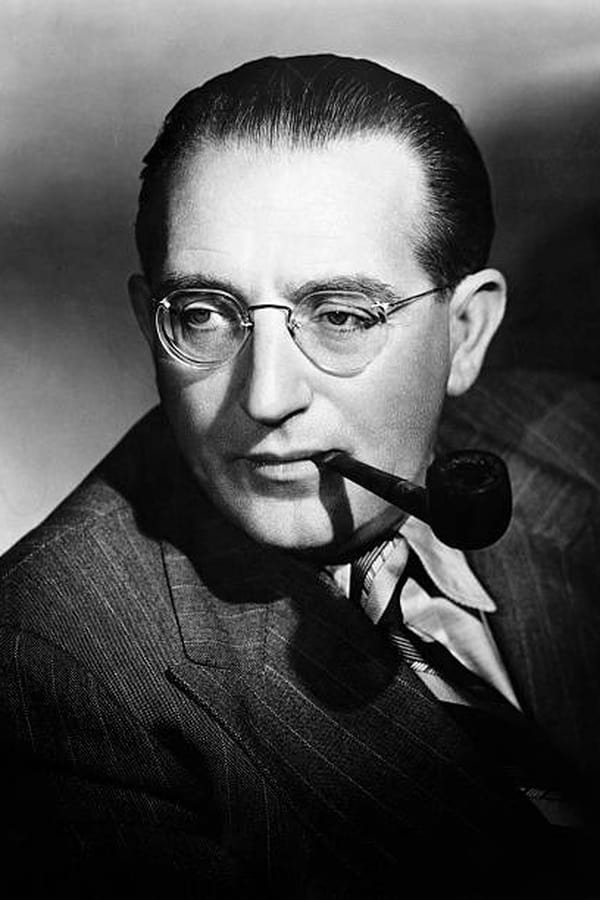
The Tyrant with the Monocle
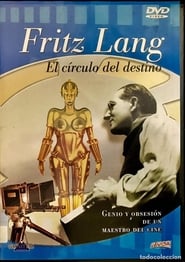
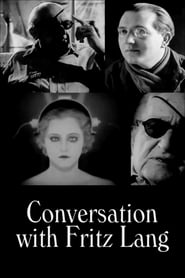
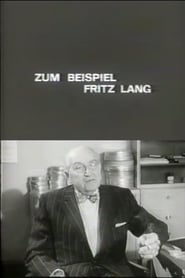
Fritz Lang wasn't looking for friends on the film set. He loaded his revolver with blanks to scare extras and demanded a mathematical precision that bordered on sadism. He had a reputation as an absolute dictator, but his films defined how we see fear and the modern city.
In 1927, he released Metropolis after a hellish shoot that lasted more than a year. The budget soared to five million marks and nearly bankrupted the studio UFA. Lang forced hundreds of extras to stand under cold water jets for hours to film the flood sequence.
But audiences of the time did not understand that visual spectacle.
The critics were scathing, and the opening box office was a financial disaster. Despite the cold numbers, Lang didn't back down from his style. In 1931, he shot M, where he used sound in a way no one had tried before. An off-screen whistle was enough to signal death.
Fritz Lang: Midnight Escape
During a meeting in 1933, Joseph Goebbels offered him the leadership of the German studios under the Nazi regime. The propaganda minister admired his work, even though Lang had Jewish ancestry. Lang listened to the proposal in silence and nodded while planning his escape.
That very night, he took a train to Paris with only a few marks in his pocket.
He left behind his home and belongings because he knew that cinema in Germany would become a tool of control. After his time in France, he arrived in the United States in 1934 to start over. In Hollywood he learned that the studio system was another form of tyranny, but a far more profitable one.
Film Noir as a Refuge
On American soil, Lang specialized in stories about men trapped by fate. In 1953, he directed The Big Heat. It's a bleak film where violence erupts suddenly and cruelly. The scene where scalding coffee is thrown in a woman's face broke with the polished aesthetic that dominated the major studios.
He worked with tight budgets and difficult actors.
And the gamble paid off.
His years in the United States were marked by a constant battle against censorship and producers who wanted happy endings. In 1956, he directed Beyond a Reasonable Doubt before deciding that his American chapter was over. He was tired of the commercial demands that limited his vision of the frame.
He returned to West Germany to shoot a final trilogy that included The Thousand Eyes of Dr. Mabuse in 1960. The film revived the character of Dr. Mabuse, but it no longer had the same impact in a Europe that was looking toward the future. In 1976, he died at his home in Beverly Hills, nearly blind and forgotten by the spotlight. His personal archive contains thousands of technical notes that no one has been able to replicate.