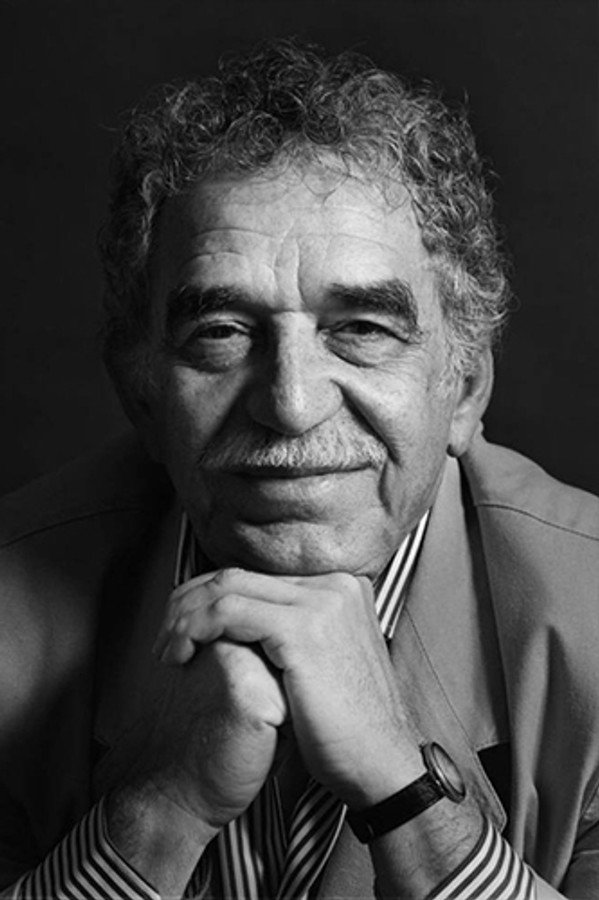
In July 1955, Gabriel García Márquez arrived in Rome with a notebook and an obsession with learning editing at the Centro Sperimentale di Cinematografia. He was twenty-eight, had been writing film reviews for the Bogotá newspaper El Espectador and suspected that celluloid would eventually devour literature. He got that prediction wrong, but that detour through the Italian workshops of Cesare Zavattini shaped his way of building fiction forever.
He wasn't thinking in abstract concepts. He was thinking in cut shots, crane movements and visual transitions.
Her youth on the Colombian Caribbean coast, raised by grandparents who blended civil wars with domestic ghosts in Aracataca, gave him the raw material. But it was the discipline of the crime reporter that taught him not to beat around the bush when putting a brutal fact on the page.
The Hired Screenwriter at Churubusco Studios
In the early sixties he arrived in Mexico City with his wife, Mercedes Barcha, a young son, and barely twenty dollars in his pocket. Literature wasn't paying the electricity bills, so he started earning a living writing advertising brochures and writing screenplays for the local film industry.
He teamed up with Carlos Fuentes to adapt Juan Rulfo’s El gallo de oro in 1964, and wrote the screenplay for Tiempo de morir for a very young Arturo Ripstein, a dry, merciless western shot in 1965 where every bullet had a precisely measured cost. Mexican censors cut entire sequences, and producers changed his dialogue on the fly to cut set costs.
That brought him little glory and paid rather poorly.
García Márquez realized that cinema was an art of compromises where money outranks the frame. Shut away for eighteen months in his study in the San Ángel neighborhood, he poured all his cinematic frustration into an electric typewriter until he gave birth to One Hundred Years of Solitude in 1967. The publisher’s advance barely covered the overdue rent, but the novel sold thousands of copies in its first week in Buenos Aires and blew up the family’s finances.
San Antonio de los Baños and the Business of Filming Macondo
The brutal fame of the seventies did not cure his addiction to dark screening rooms. In 1986, he co-founded with Argentine filmmaker Fernando Birri the International School of Film and Television in San Antonio de los Baños, thirty kilometers from Havana, with the firm idea of training technicians who would not copy Hollywood's mechanical formulas.
For decades he taught his classic workshop there, called How to Tell a Story, where he made students take apart newspaper stories until they found a dramatic nerve worth using. He financed the project with the royalties from his stories and sat in editing rooms debating splices with twenty-year-olds while the major studios placed blank checks on the table.
He sold adaptations in dribs and drabs and almost always came out of screening rooms worse off. Francesco Rosi adapted Chronicle of a Death Foretold in 1987, and Mike Newell signed off in 2007 on an English-language version of Love in the Time of Cholera that sank at the box office because of a glossy, lifeless production design.
He flatly refused to sell the film rights to his masterpiece while he was alive. He insisted on two non-negotiable conditions that no American studio ever accepted: shoot exclusively in Spanish and film in Colombia.
The blockade ended ten years after his death. In 2019, his sons Rodrigo and Gonzalo García authorized a Netflix series shot entirely in the Colombian departments of Tolima and Cundinamarca, with a local crew of more than four hundred people and a set design that cost twelve million dollars per season.