Scandal as a calling card
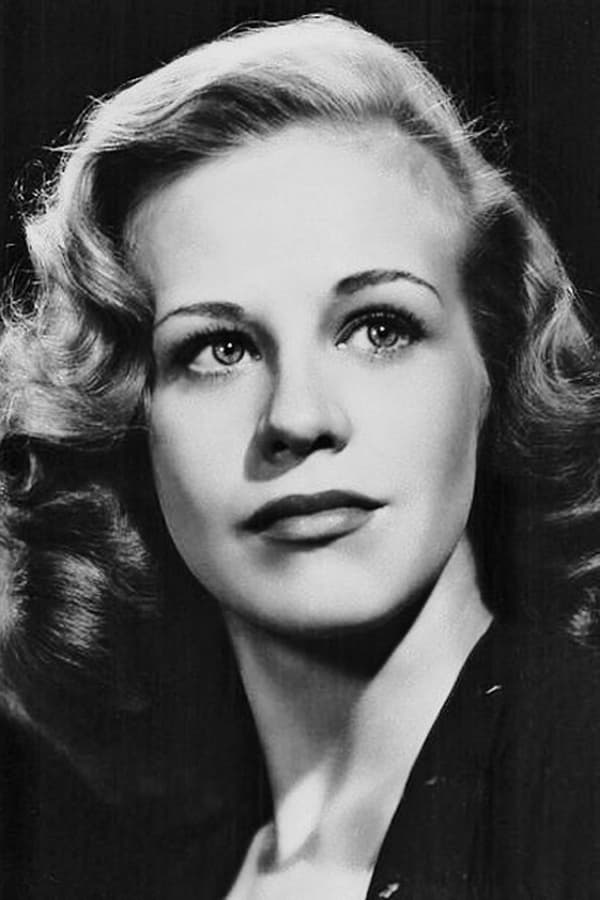
Hildegard Knef was born in Ulm in 1925 and, before turning twenty, was already walking among the rubble of a burning Berlin. Her training at UFA Studios coincided with the total collapse of the Third Reich. But she did not stop at the ruins.
In 1946, she starred in Die Mörder sind unter uns. It was the first film shot in postwar Germany. Her face embodied the guilt and hope of a nation that didn't know how to look at itself in the mirror.
She was the first nude figure in postwar German cinema.
It happened in 1951 with the release of Die Sünderin. The Catholic Church called for a boycott, and screenings ended in riots in several European cities. That few seconds of nudity made her a pariah in her own country for years.
That label of difficult woman stayed with her always. Knef never sought easy applause or the approval of the producers of the day. So she decided to cross the Atlantic and try her luck in an environment that promised freedom but demanded submission.
Her rejection of Hollywood's rules
David O. Selznick called her to travel to the United States with a contract in hand. The producer wanted to change her name to Gilda Christian and hide her German origins. Knef flatly refused to erase her identity.
Hollywood never fully understood her.
She spent months collecting a salary without shooting a single relevant scene. But her time in New York was not wasted. In 1955, she landed the lead role in the Broadway musical Silk Stockings, with music by Cole Porter.
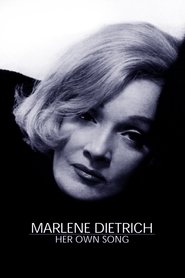
Porter said she sang his songs better than anyone else despite her limited voice. She had a low, somewhat broken register that reminded people of Marlene Dietrich (with whom she maintained a friendship marked by constant rivalry). American critics nicknamed her the Nefertiti of the sidewalks for her icy elegance.
She returned to Europe when she grew tired of the physical demands of the American film industry. In 1962, she took part in the British production Cathy’s Child and began focusing her efforts on a side of her career few expected: writing.
The broken voice and the written word
Her music career took off for good in the 1960s. She wrote her own lyrics, which was unusual for female singers of that era. Her songs spoke of real failures and loneliness in the big cities.
She was an uncomfortable woman.
In 1970, she published her autobiography, titled Der geschenkte Gaul. The book sold millions of copies and was translated into seventeen languages. It was not the typical sugarcoated memoir. Knef bluntly recounted her time in Soviet prisoner-of-war camps, disguised as a soldier, and her numerous surgeries.
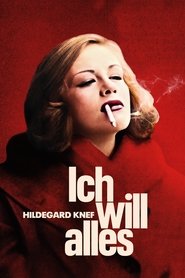
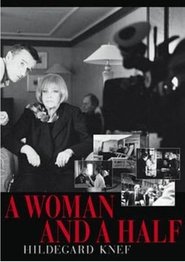
But her health began to take its toll after years of smoking and chronic stress. Despite her physical problems, she kept working on selected projects. In 1999, she appeared in the documentary Hildegard Knef: A Woman and a Half, in which she looked back on her career without nostalgia.
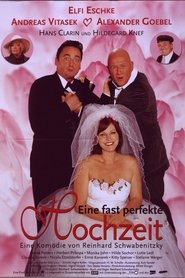
Her last notable film appearance came in 2001 in the movie Eine fast perfekte Hochzeit. She died in Berlin on February 1, 2002, from a lung infection at the age of 76 years old.