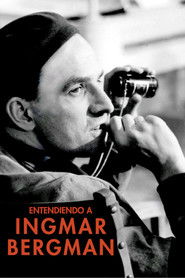
The Shadow of the Pulpit
A toy projector changed the life of a boy in Uppsala. That magic lantern became his refuge from the suffocating discipline of a Lutheran pastor father who punished lies by locking him in dark closets. That childhood of guilt and silence shaped a filmography obsessed with the absence of God.
Bergman was not looking for answers.
The Swedish director soon understood that theater was his faithful wife, while film was an expensive mistress. In 1946, he made his debut with Crisis, but international recognition took time to arrive. He had to make light comedies and youth dramas before finding his own voice in the desolate landscapes of northern Europe.
In 1955, the film Smiles of a Summer Night gave him the financial breathing room he needed. But two years later, the world discovered that cinema could be a first-rate philosophical tool. In 1957, he released The Seventh Seal and Wild Strawberries only a few months apart.
Death Playing Chess on a pebble beach became the image that defined an era. And he did it without big budgets (his films were usually made quickly and frugally). He worked with a loyal group of actors who functioned as a dysfunctional but brilliant family.
Fårö Retreat
In the mid-1960s, Bergman moved to the island of Fårö. That place of limestone rocks and biting winds became the setting for his most raw works. There he shot Persona in 1966 (a film that broke conventional narrative structures to focus on the transfer of identity between two women).
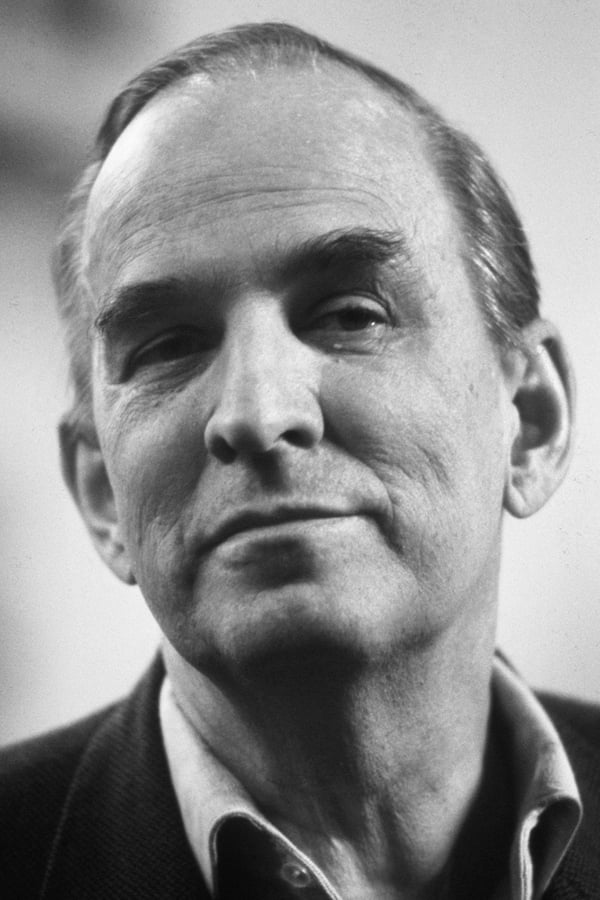
The close-up became his main weapon, because for the director, the human face was the most fascinating landscape of creation. His films from this period explore the inability to communicate and the pain that comes from contact with others.
Theater was always his faithful wife.
But his relationship with his country broke down violently in 1976. Two plainclothes police officers entered the Royal Dramatic Theatre in Stockholm to arrest him for alleged tax fraud. The psychological impact was so great that the director suffered a nervous breakdown and went into exile in Germany for several years.
In Munich, he shot The Serpent's Egg (1977) with international backing. It was an ambitious project about the rise of Nazism, but critics did not greet it with the enthusiasm of his earlier works. So he decided to return to his roots to prepare his farewell from the big screen.
The Testament of the Five Acts
In 1982, he shot Fanny and Alexander as a summation of all his obsessions. It is a monumental work of over five hours in its television version, blending Gothic horror with the warmth of childhood. With this project, he won four Oscars and decided he had nothing more to say in feature-length cinema.
He retired to his island but never stopped writing or directing for the theater. In 1997, he published his memoirs under the title The Magic Lantern, in which he confessed his youthful sympathies for Nazism and his romantic failures. It was an exercise in brutal honesty that stripped the genius of his aura of intellectual sainthood.
His last work behind the camera was Saraband in 2003. The film was shot on digital format for Swedish television and revisited the characters from Scenes from a Marriage thirty years later. It was a bleak ending about family resentment and old age without comfort.
Ingmar Bergman died on July 30, 2007 at his home in Fårö at the age of 89. Michelangelo Antonioni also died on the same day. His personal archive (made up of 171 boxes of documents and notebooks) was included in UNESCO's Memory of the World register.