The Crash in Los Padres National Forest
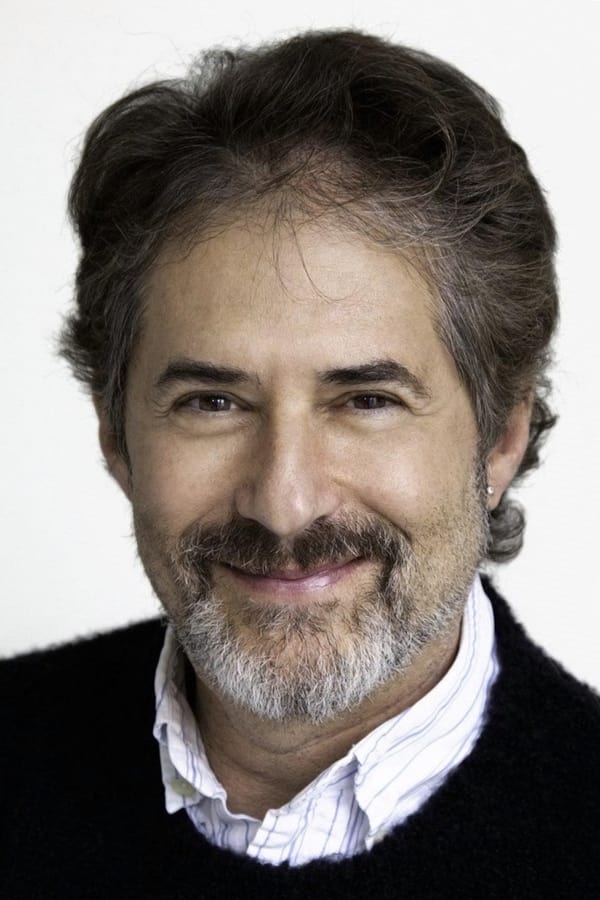
James Horner died alone, piloting his Short Tucano over the Los Padres National Forest. It was June 22, 2015. He was 61 years old and had a collection of model airplanes that rivaled his Hollywood score catalog in size.
He was not a conventional conservatory musician. Although he attended the Royal College of Music in London, his real school was Roger Corman's low-budget cinema. There he learned to make an orchestra of twenty sound like one hundred.
In 1980, he composed the score for Battle Beyond the Stars.
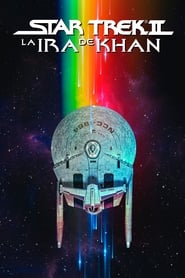
It was his calling card. The producers of Star Trek II: The Wrath of Khan were looking for someone affordable but capable of stepping out of Jerry Goldsmith's shadow. Horner delivered a nautical, sweeping score that defined the franchise's sound for decades.
But his most complicated relationship was with James Cameron. In 1986 they worked together on Aliens. The process was a logistical disaster because Horner arrived in London to find the film was still being edited. He wrote the score against the clock, sleeping on the studio floor.
He swore he would never work with him again.
The bet on thirty million copies
Ten years passed before Cameron called him to score Titanic in 1997. The industry thought that production would sink Fox and Paramount. Horner wrote a central theme that the director didn't like at first, but it ended up convincing Celine Dion to record it secretly.
Selling 30 million copies of a soundtrack was not anyone's plan. That album remains the best-selling orchestral album of all time. Horner won two Oscars that night and became the highest-paid composer in the commercial film industry.
Many critics accused him of recycling himself. Horner often used a four-note motif that fans nicknamed the danger motif. It can be heard in Willow, in Enemy at the Gates and even in Avatar.
And he didn't mind. He believed film music was an emotional architecture in which absolute originality mattered less than narrative effectiveness. In 1995 he delivered Braveheart and Apollo 13 just a few months apart.
His style blended electronic textures with ethnic instruments. Before scoring Avatar in 2009, he spent months working with ethnomusicologists to invent a sound language for a culture that didn't exist.
The Posthumous Gift for Antoine Fuqua
His death left several projects unfinished. Simon Franglen had to complete the score for The Magnificent Seven in 2016, based on sketches Horner had already written as a gift for director Antoine Fuqua.
Because Horner composed even without a contract.
In his final years he moved away from the major studios to pursue more intimate projects such as Le Dernier Loup in 2015. His last major technical contribution was designing the sound textures later used in Avatar: The Way of Water in 2022.
The autopsy confirmed that there were no traces of alcohol or drugs in his body at the time of the accident. The official NTSB report concluded that the crash was caused by pilot error during a low-altitude maneuver.