Sabotaging Conventional Language
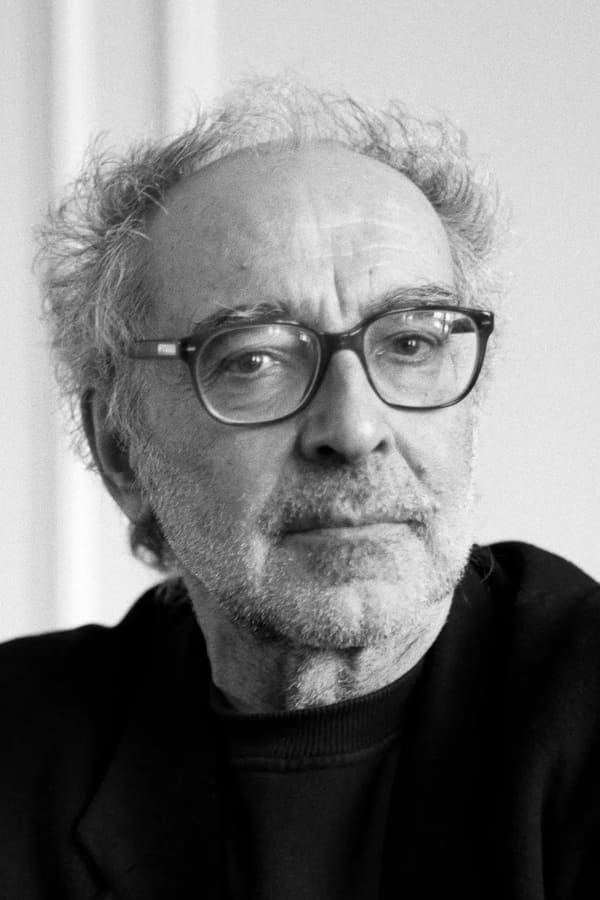
Godard never asked permission to enter the frame. In 1960 he shot Breathless with a handheld camera and an absolute contempt for academic technique. He wasn't after perfection but the pulse of the street.
And the gamble paid off.
Before becoming a director, he was a critic for the magazine Cahiers du Cinéma. There he learned that to create something new, you first have to understand how the old works. But Godard never wanted to be a model student. He stole books from his grandfather's library to sell them and pay for his first short films.
That disregard for other people's property soon made its way onto the screen. In his early works, he cut shots whenever he pleased and broke the fourth wall without warning. For him, cinema wasn't a window on the world but a wall covered in graffiti.
The Breaking of Invisible Editing
In 1963, he directed Le Mépris with the biggest budget of his career. That led to a head-on clash with producers who expected a commercial film starring Brigitte Bardot. The result was a visual essay on the breakdown of marriage and the end of classical cinema.
Godard used primary colors like slaps in the face. Red and blue flooded the screen to remind viewers that they were watching an artificial construction. But the industry didn't always embrace his experiments with the same enthusiasm as the Parisian critics.
In 1967 he shot Weekend and closed a fundamental chapter.
That film ended with a title card that read: end of cinema. It was no joke. Soon after, he threw himself into radical political activism and founded the Dziga Vertov Group to film class struggle on 16mm. These were harsh works that rejected the viewer's pleasure.
He gave up movie stars and structured screenplays. He devoted himself to traveling the world with lightweight cameras to document conflicts in Palestine or striking factories. As a result, his name disappeared from commercial movie theaters for nearly a decade.
The Loneliness of the Swiss Lab
During the 1980s he settled in Rolle and began experimenting with video. In 1988 he started the Histoire(s) du cinéma project, which would consume him for an entire decade. They were dense collages mixing literary quotes with film fragments and war news footage.
Many critics stopped understanding him. But he didn't care about mass audiences or prizes at international festivals. He kept working with the same urgency as at the start of his career, in his small studio full of monitors and cables.
In 2018, he presented Le Livre d'image at the Cannes Film Festival.
He didn't travel to the French city for the press conference. Instead, he preferred to answer journalists through a mobile phone screen from his home. It was his last major public appearance before choosing his own end in private at his home in Switzerland.
On September 13, 2022, Jean-Luc Godard died by assisted suicide in Switzerland. He was 91 years old and had left precise instructions about his legacy. The autopsy report detailed that the filmmaker had no terminal illness at the time of his death.