The Gaze That Broke the Mold
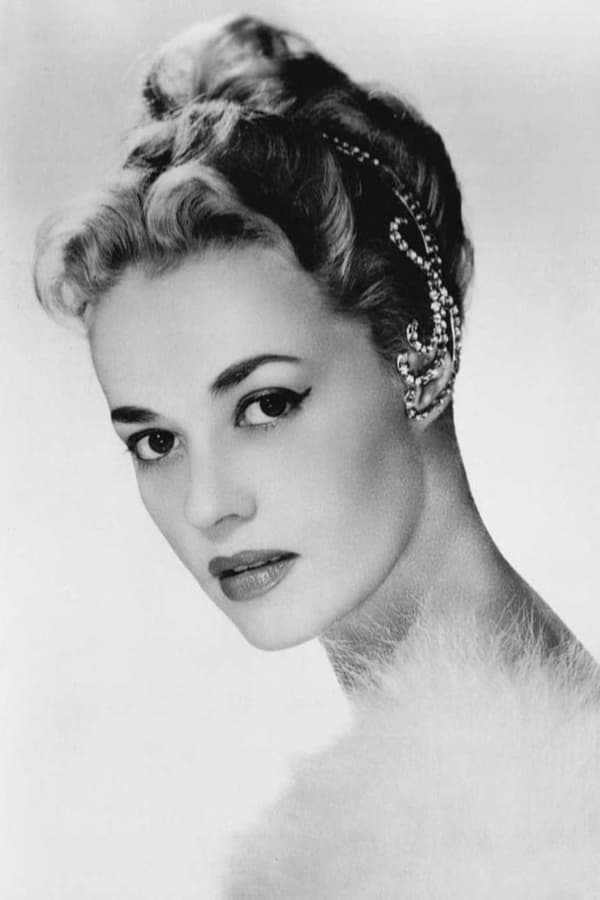
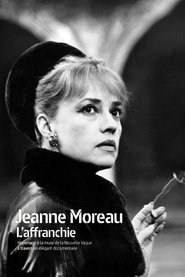
Jeanne Moreau walks the streets of Paris at night while Miles Davis jazz plays. No makeup or artificial spotlights soften the dark circles under her eyes. In 1958, that image in Elevator to the Gallows broke the aura of untouchable divas of French cinema.
The daughter of an English dancer and a French innkeeper, Moreau never sought the approval of her audience. She joined the Comédie-Française at twenty, but the theater soon felt too small for the freedom promised by the young directors of the era.
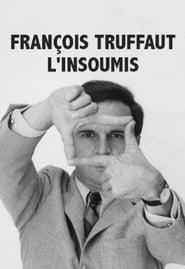
And then François Truffaut arrived.
In Jules and Jim (1962), she became the center of a love triangle that defied bourgeois morality. Her laughter on the bridge and the way she sings Le Tourbillon de la vie are documents of a France eager to leave the postwar years behind. She was the first actress to portray active female sexual desire without apologizing for it.
Resisting Hollywood
Orson Welles said she was the greatest actress in the world. She worked with him on The Trial (1962) and Chimes at Midnight (1965), where she proved that her physical presence carried more weight than any dialogue.
But Moreau didn't want to be a studio star. She turned down million-dollar contracts in the United States because she preferred to shoot in Europe with directors who treated her as a creator. That's how she ended up working under Michelangelo Antonioni in The Night (1961) and Luis Buñuel in Diary of a Chambermaid (1964).
She earned less than half her usual fee so she could work with authors who would let her smoke on screen without looking like a sinner. For her, cinema was a matter of thought, not static beauty.
She was a woman in charge.
In the mid-1970s, she decided acting was not enough. She directed Lumière in 1976 to explore the friendship between women artists, a subject that hardly interested the male-dominated industry of the time. The film was not a box-office hit, but it established her complete independence.
In 1979, she returned to directing with L'Adolescente, a story about sexual awakening in rural France in 1939. It received no support from the commercial critics, but she kept creative control of every shot right through the final cut.
A Refuge in Voice and Time
Her raspy voice was her greatest tool. She recorded several albums, and her readings of classic poetry sold thousands of copies in France during the 1960s. So when film began offering her supporting roles, she turned to music and reading.
She kept working until her body told her to stop. In 1992, she won the Golden Lion in Venice for lifetime achievement, and in 1995 she received a similar tribute at the César Awards.
And the gamble on risk paid off.
She appeared in Time to Leave (2005) by François Ozon, and her last appearance on the big screen was in Le talent de mes amis in 2015. She never stopped reading scripts or keeping up with the new directors arriving in Paris with lightweight cameras.
She died on July 31, 2017 in her apartment on Faubourg Saint-Honoré in Paris. She was 89 years old, and her housekeeper found her body at 7:30 in the morning.