A dancer among tough guys
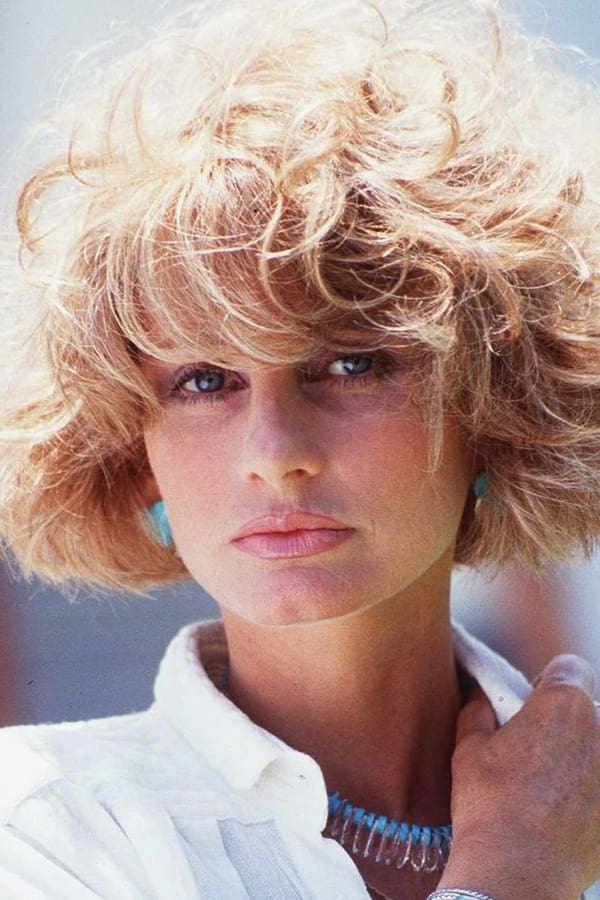
Jill Ireland didn't land in Hollywood to be anyone's shadow. Before crossing the Atlantic, she was already earning a living as a dancer in the United Kingdom and appearing in modest productions such as Oh… Rosalinda!! in 1955. Her technical training gave her a discipline she would later apply on the most chaotic film sets of the 1960s.
In 1957, she married David McCallum. That union put her right at the center of the American television world, but the balance shifted during the filming of The Great Escape in 1963. There, she met Charles Bronson, and the story of her life changed irreversibly.
The press of the day focused on the romantic scandal.
But Ireland had goals that went beyond gossip magazine covers. In 1968, she made her relationship with Bronson official and began shaping one of the most profitable professional partnerships in action cinema. She wasn't seeking critical acclaim but control over her own image and her work schedule.
Fifteen movies and one contract
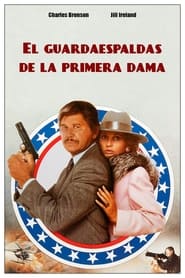
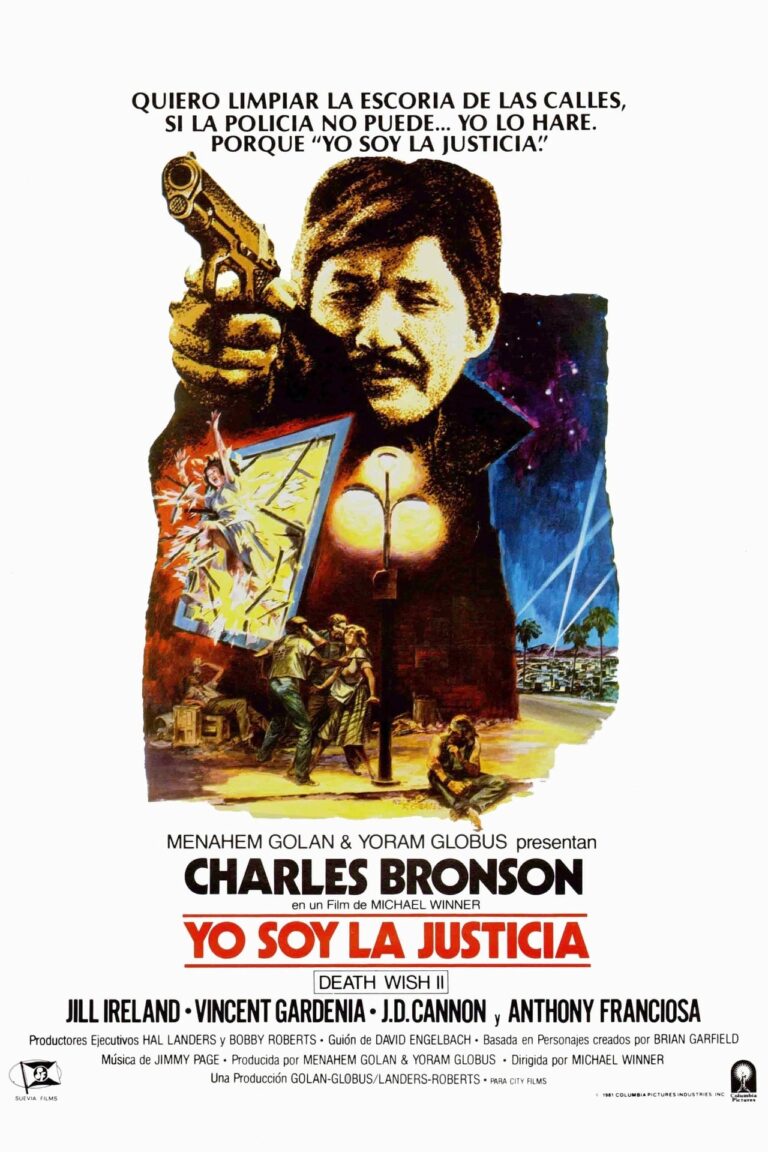
The couple made a total of 15 films together. In titles such as The Mechanic from 1972 or Hard Times from 1975, she provided the necessary counterpoint to her husband's cold, brutal screen violence. And she did so under strict conditions. Bronson contractually required that Ireland have a role in his projects so the family would not be separated during the months of filming.
Many critics in the 1970s scorned this commercial partnership. They considered her presence an imposition, but the box office figures said otherwise. The Bronson-Ireland brand guaranteed profits in international markets, where audiences were looking for precisely that real closeness between the stars.
They operated as an independent production unit within the major studios.
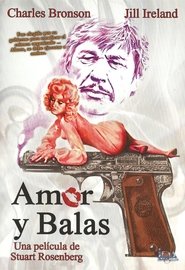
So Ireland began making weighty decisions behind the scenes. She was actively involved in producing Love and Bullets in 1979 and oversaw script details on Assassination in 1987. Her influence was not aesthetic but structural and financial.
Managing pain in the 80s
In 1984, she was diagnosed with breast cancer, which turned her career into a platform for activism. Rather than hiding away, she wrote Life Wish, in which she detailed her treatment with a candor that was rare for celebrities of that era. The book became a resource for thousands of women in similar situations.
But her health did not immediately slow her work pace. She kept filming and writing while serving as a spokesperson for the American Cancer Society. In 1989, she published Lifeline, her second memoir, in which she addressed her adopted son's drug addiction with the same honesty she had applied to her own medical struggles.
Jill Ireland died on May 18, 1990 at her home in Malibu.
Her last on-screen appearance was in the TV drama Caught in the Crossfire, filmed in 1990. By the end of her life, she had secured a production credit on three different feature films. Her estate at her death exceeded $15 million, derived mainly from real estate investments and royalties.