The Editor Who Couldn't Draw
Lee Unkrich joined Pixar's offices in 1994 to help with the editing of a film nobody knew would work. He had studied film at the University of Southern California and worked in television. He couldn't draw, and he had no interest in learning to animate characters on a computer. His strength was rhythm and narrative structure.
During the creation of Toy Story, his job was to strip away everything unnecessary. Animators often fall in love with their shots because they take weeks to finish, but Unkrich had no such attachments. If a scene added nothing to the story, he cut it without blinking. That earned him the respect of a team that desperately needed an outside cinematic eye.
That coolness saved the project.
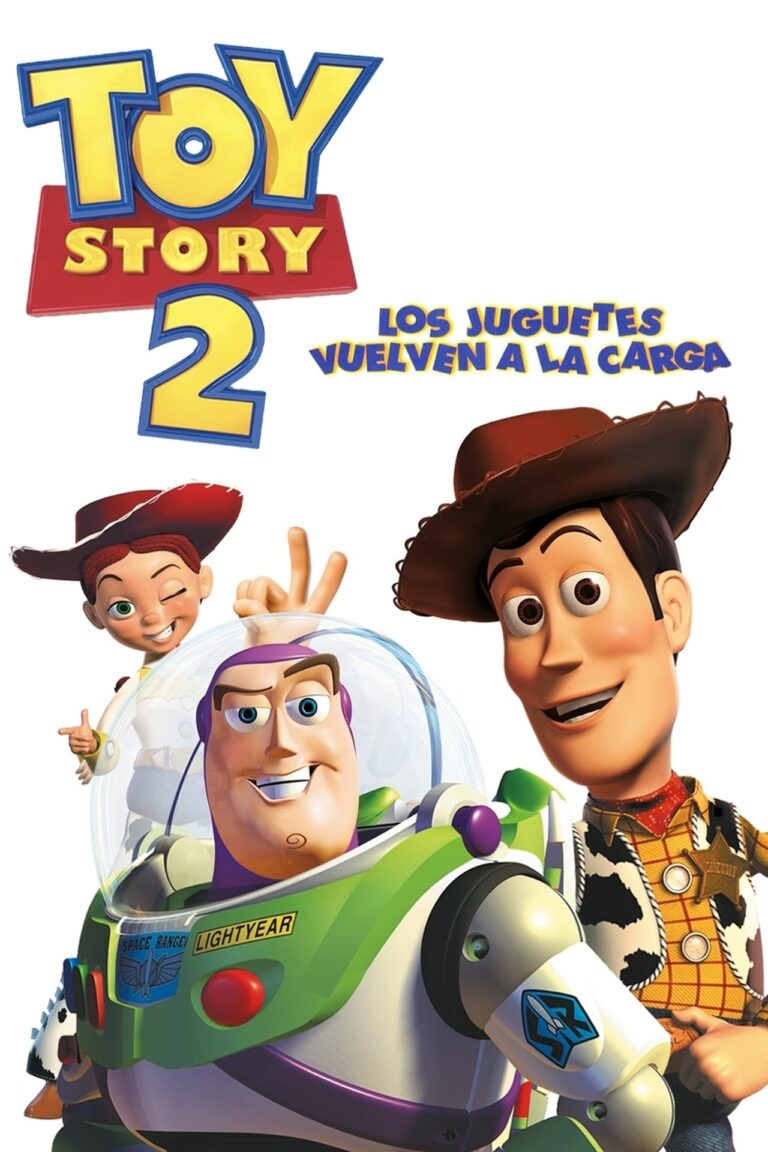
In 1999, he took on co-directing duties on Toy Story 2 after a chaotic development process that forced nearly the entire film to be reworked in a few months. He worked side by side with John Lasseter to give emotional depth to a group of plastic toys. The result was 497 million dollars in worldwide box office and proof that Pixar was not a one-film miracle.
The Shadow Behind the Big Hits
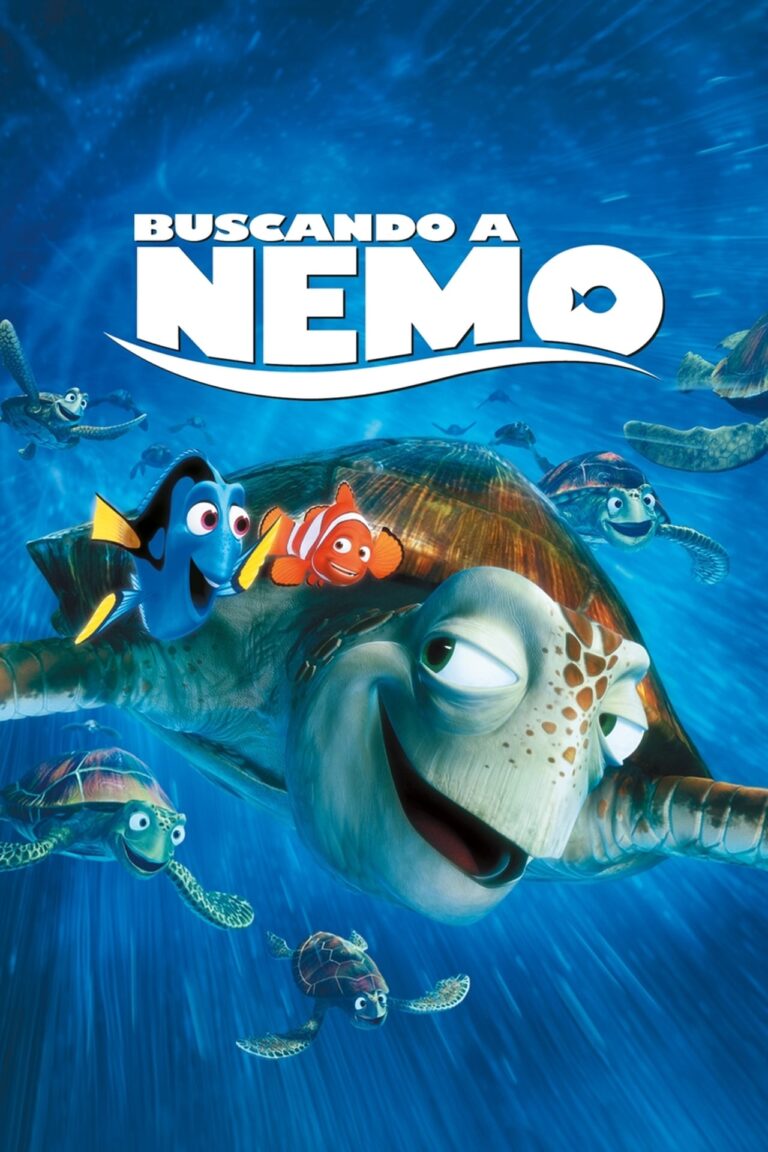
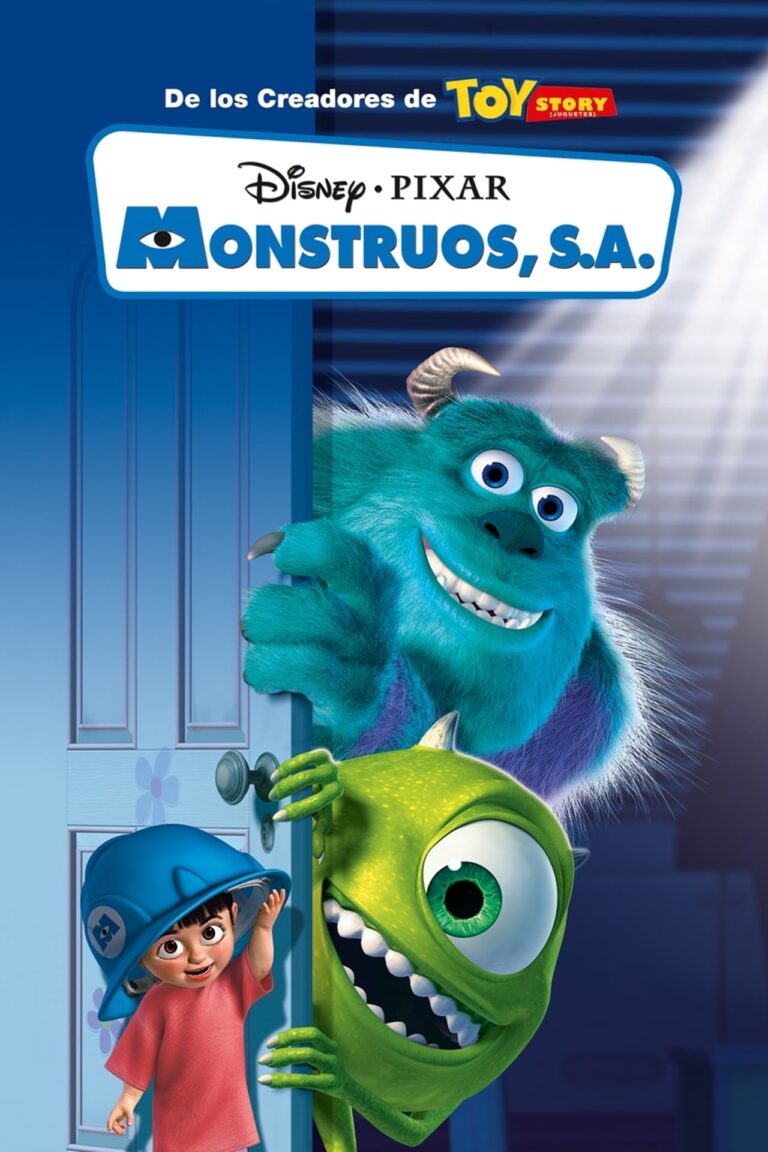
Throughout the early 2000s, his name appeared in the credits of the studio's most profitable films. He co-directed Monsters, Inc. and Finding Nemo. On the latter, he focused on the relationship between father and son because he believed technology was only a vehicle for exploring human fears.
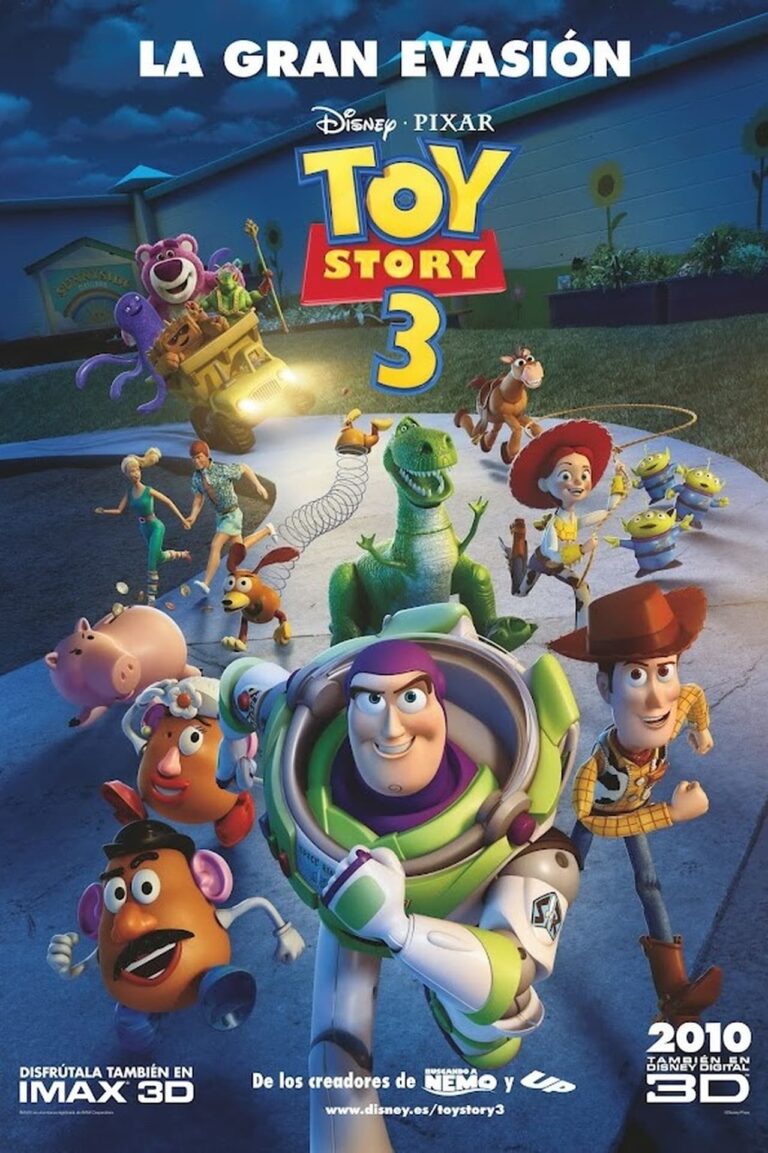
The truth is, Unkrich always preferred restrained drama to gratuitous visual spectacle. But his real trial by fire came in 2010 with Toy Story 3. It was his first solo directing job, and he carried the weight of closing a trilogy that belonged to the collective memory of a generation.
The film broke the 1,000 million dollar barrier at the box office.
It won the Oscar for Best Animated Feature and earned a nomination for Best Picture. It was a milestone very few animated films have achieved. It made adult audiences cry in movie theaters with a sequence about accepting death and the passage of time in a garbage dump.
The Farewell and His Obsession with the Overlook
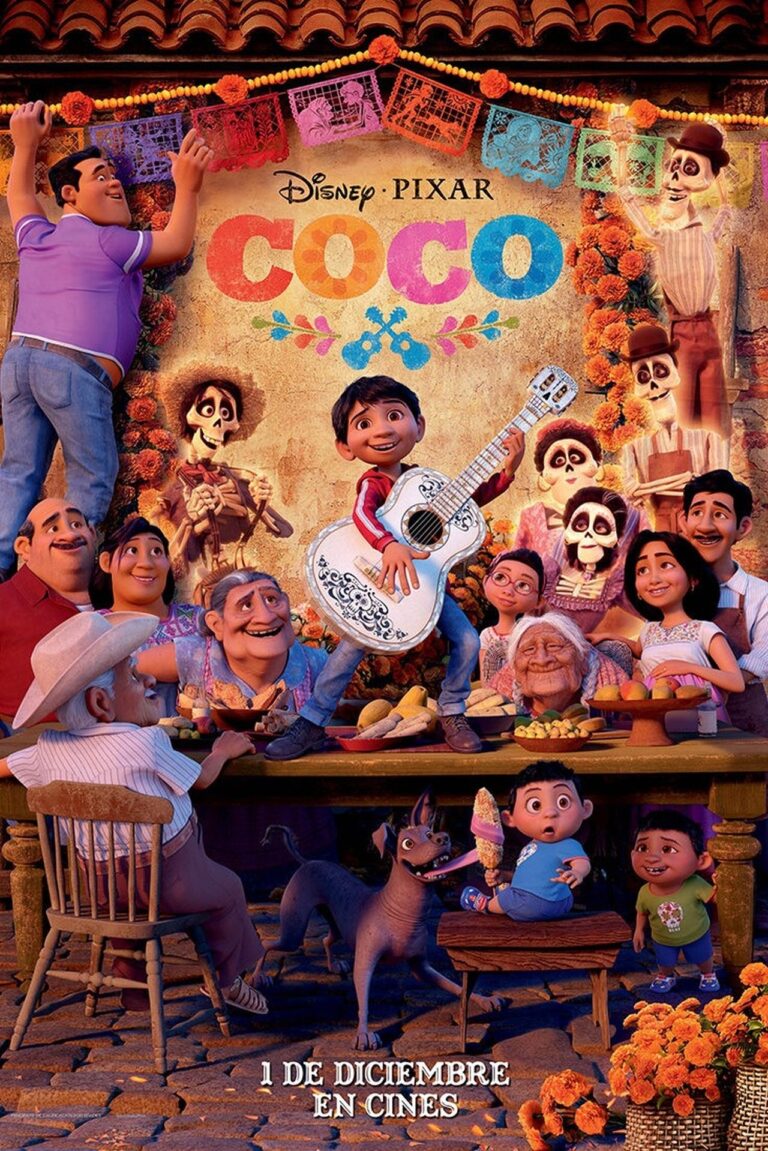
In 2017, Coco premiered after six years of research into Mexican culture and its traditions. The project grew out of a personal curiosity about Día de Muertos and became an unprecedented cultural phenomenon in the Hispanic market. Production required massive data management to render the millions of lights in the City of the Dead.
It was his last major contribution to the studio.
In 2019, he announced that he was leaving Pixar after twenty-five years of uninterrupted service. He didn't go to a competitor or try to launch his own animation studio. His plan was to spend time with his family and on a personal obsession he had been cultivating in private for years. It was his passion for the film The Shining by Stanley Kubrick.
In 2023, he published a book titled Stanley Kubrick’s The Shining under the Taschen imprint. It is a collector's work that weighs several kilos and gathers hundreds of unpublished photographs and production documents from the shoot of 1980. The research took him nearly a decade of documentary work and interviews with the original cast. The volume hit the market with a launch price of 1,500 euros for its limited edition.