The grandpa who arrived ahead of schedule
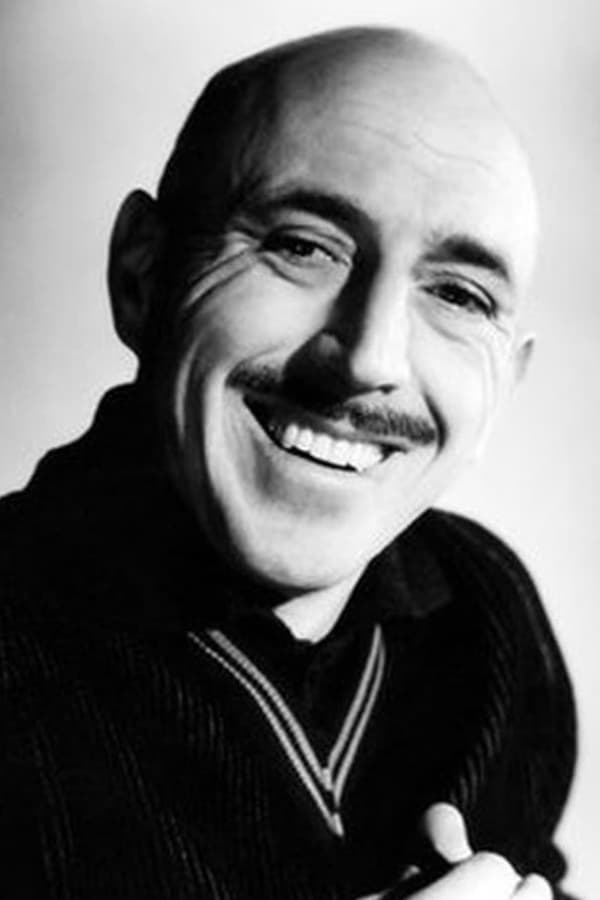
Lionel Jeffries didn't fool anyone. He lost his hair in Burma during World War II, and what could have been an aesthetic setback for others became his ticket to success as a top-tier supporting actor. Before he turned thirty, he was already playing men twice his age, a pattern that became the norm for his career.
In 1968, they shot Chitty Chitty Bang Bang, playing Dick Van Dyke's grandfather. The funny thing is that Jeffries was actually six months younger than the lead. But his premature baldness and that British officer's mustache gave him a comic authority that the cinema of the era exploited relentlessly.
And that fed him for decades.
He appeared in films such as First Men in the Moon in 1964 and The Quatermass Experiment in 1955. He was always there, at the edge of the frame, stealing scenes with a startled look or a piercing scream. Jeffries understood that his look dictated his paycheck and never fought against that reality.
An unexpected box office hit
In the late 1960s, he decided that acting wasn't enough. He bought the rights to a novel by Edith Nesbit for very little money, because no one believed a Victorian story about trains could interest modern audiences. He wrote the screenplay and stepped behind the camera.
In 1970 he released The Railway Children. It was an absolute phenomenon in the United Kingdom.
The film cost less than half a million pounds and ended up earning millions, becoming one of the most beloved movies in British film history. It earned three BAFTA Award nominations, including one for the young Jenny Agutter. Jeffries showed a special gift for directing children without falling into the cheap sentimentality flooding Hollywood.
No one expected a character actor to have that sensitivity behind the camera.
He repeated the formula in 1972 with The Amazing Mr. Blunden. It was a ghost and time-travel story that kept that family-friendly tone while respecting the audience's intelligence. Jeffries moved away from complex visual effects to focus on atmosphere and direct dialogue.
The decline of a craft-driven style
But the market changed fast. In 1978 he tried a far more ambitious production titled Water Babies. It was a mix of live action and animation that turned out to be a grueling process for the director. The filming technique was rudimentary, and postproduction delays wore out the investors' patience.
The budget soared because of the special effects.
From there, his opportunities as a director dried up. He shot his last film behind the camera in 1972, though he stayed connected to the industry through television and voice work. His deep, gravelly voice landed him countless animated roles during the 1980s and 1990s.
In his later years, his fragile health forced him away from the sets for good. He spent his final days in a care home in Poole, Dorset. He died on February 19, 2010 at age eighty-three from complications of a chronic illness. His last credited on-screen appearance was in an episode of the series Casualty that aired in 2001.