The Voice Hollywood Couldn't Silence
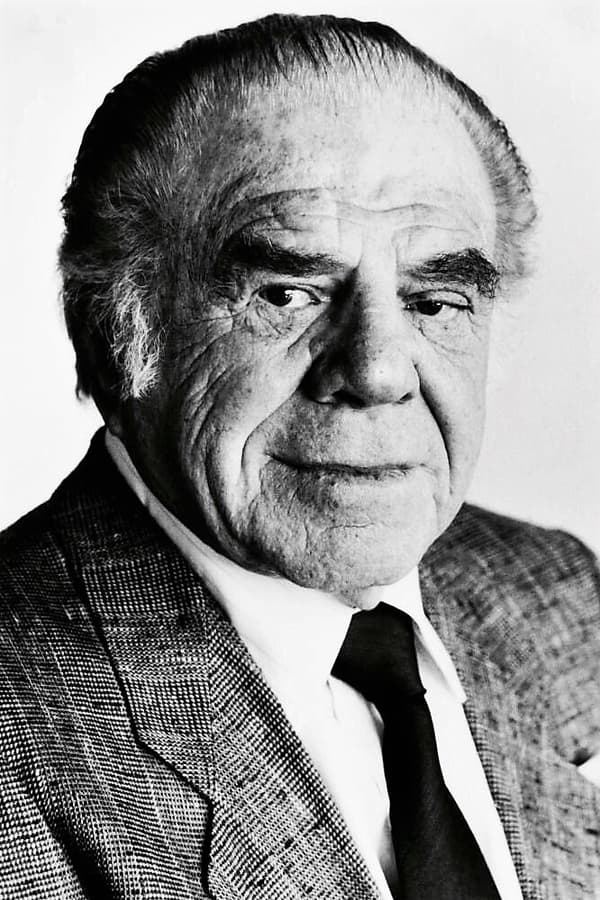
He had a voice that sounded like sandpaper dragged across asphalt, and a face that only a film noir casting director could love.
Lionel Stander was not after elegance.
In 1935 he appeared in The Scoundrel, and studios realized they had a supporting actor capable of stealing the spotlight from any top-billed star. His rugged looks and cracked baritone voice let him land contract after contract without a break for a full decade.
But his tongue was as sharp as his on-screen presence. Stander never hid his leftist political views in an environment that was starting to smell of brimstone and persecution. And that cost him dearly.
In 1951 he was named.
Stander didn't keep quiet before the House Un-American Activities Committee. He appeared to testify with a swagger that disarmed the inquisitors of the Red Scare, and claimed the committee itself was the only un-American group he knew. The result was his complete banishment from the American film industry.
The European Refuge and Resurrection
For years he worked in radio and on Broadway under fake names, because the major studios had shut their doors on him. The blacklist was no joke, and Stander had to make a living far from the spotlight of Los Angeles. So he packed his bags and crossed the pond.
In Europe he found cleaner air for his heavy smoker's lungs. He worked in British and Italian productions, where his face fit perfectly into the genre films that were beginning to take off. He made more than thirty films on the Old Continent before Hollywood dared to say his name again.
Stander never kept quiet.
In 1966, Roman Polanski gave him one of his best roles in Cul-de-sac. It was a triumphant comeback that proved his talent was intact despite the political punishment. But real popular recognition awaited him in an unexpected place: 1970s television.
The Butler Everyone Wanted
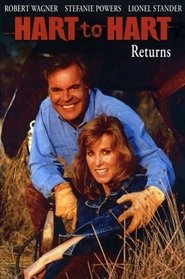
In 1979 he accepted the role of Max in the series Hart to Hart. He played the butler and chauffeur to a wealthy couple with a detective's instinct. And the character worked because Stander brought a humanity and cynicism to it that weren't in the original script.
He won a Golden Globe in 1983 for this work. It was poetic justice for a man who had been pushed out of the system thirty years earlier. Audiences connected with that grumpy old softie who always had a timely quip while driving a convertible through the hills of California.
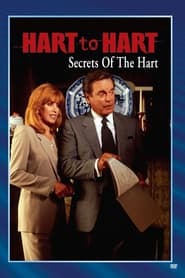
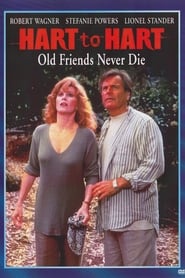
He kept working until his body gave out. In 1986 he lent his voice to Kup in The Transformers: The Movie and appeared in several TV movies that revisited the Hart family's story during the 1990s.
He died of lung cancer in Los Angeles on November 30, 1994, at age 86.