The man who gave Kitano's chaos its order
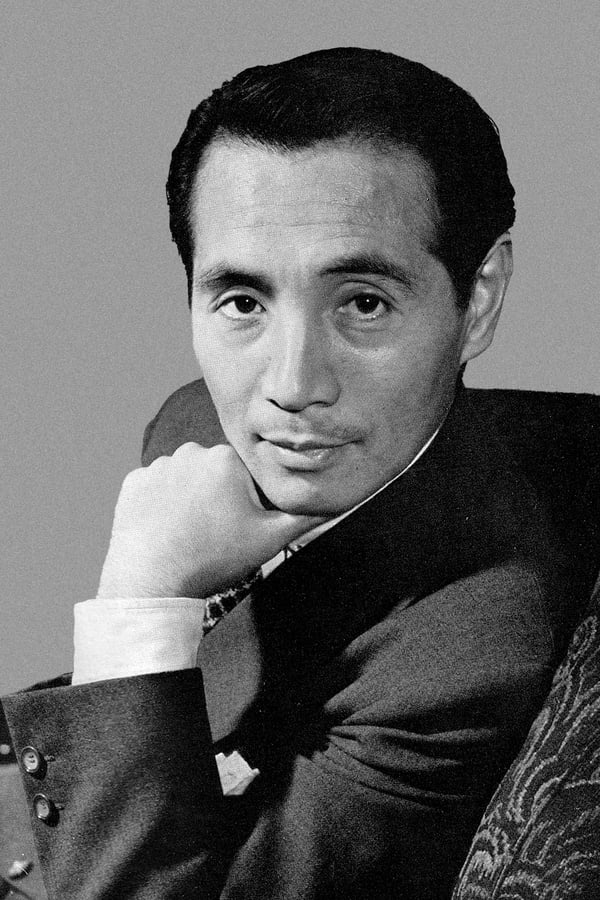
Masayuki Mori was not looking for the spotlight when he began working with an irreverent comedian named Takeshi Kitano. It was 1989, and the Japanese film industry looked the other way while they laid the foundations of a production company that would change the European festival circuit. Office Kitano was born as a refuge of absolute creative freedom, where Mori acted as the cerebral counterweight to the genius's impulsiveness.
His work was never only administrative.
Mori understood that to export Kitano's cinema of raw violence and silences, he needed an aggressive international distribution strategy. In 1997, the victory of Hana-bi in Venice validated a business model that prioritized international prestige over immediate domestic box office. But success brought a heavy corporate structure that would eventually suffocate the relationship between the producer and his favorite director.
And then everything blew up.
The split and borderless cinema
Before the final crisis, Mori had already diversified his bets by financing emerging talent outside Japan. In 2000, he decided to produce Platform by Chinese director Jia Zhangke because he saw in him a vision that commercial cinema of the time completely ignored. That partnership remained strong for decades with films such as Still Life in 2006 and A Touch of Sin in 2013.
The departure of Takeshi Kitano from the production company in 2018 was a financial and personal blow that was hard to take. The director publicly accused Mori's management of salary irregularities, while the producer kept a stony silence in the press. Mori stepped down as president of Office Kitano shortly afterward to rebuild his career as a fully independent producer.
There were no sentimental statements.
In 2021, he resumed his activity with projects that required complex international logistics. His name returned to prominence in the credits of Kubi in 2023, where, despite past tensions, his groundwork in pre-production was crucial to securing a massive period-film budget. As a result, the market understood that Mori was still the only one capable of managing the most difficult egos in Asian cinema.
The rigor of a new chapter
The producer moved away from the major studios to focus on more agile co-production structures between Japan and France. In 2024, he oversaw auteur projects that prioritize control over the final cut over the demands of streaming platforms. His current working method steers clear of quick-consumption formulas and aims to stay anchored in auteur cinema, which outlasts passing trends.
Because Mori has always preferred the risk of a difficult work to the comfort of a predictable hit.
In 2025, his production agenda included developing two feature films with emerging directors from Southeast Asia, partially funded by European funds. His office now manages budgets ranging from 3 to 7 million euros per film. The close of his latest accounting audit in March 2026 confirmed that his new independent structure is profitable without relying on any media star.