The flight from Vienna and the weight of history
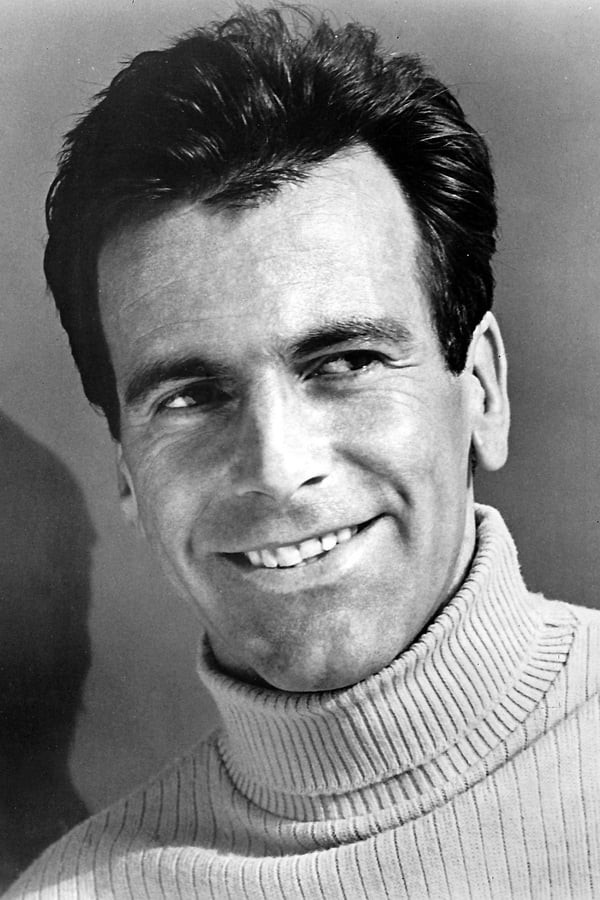
In 1938, the Schell family left Vienna in the middle of the night. They fled to Zurich with only what they could carry, just before the borders closed following the Nazi annexation. That journey marked the start of an exile that Maximilian Schell would later turn into a career preoccupied with guilt, memory and European identity.
He was not the typical leading man of the era. He had a hard gaze and a voice that conveyed authority even when he was silent. He saw cinema as an extension of philosophy rather than a mere variety show.
And destiny had a place waiting for him in Hollywood.
In 1961 he shot Judgment at Nuremberg under the direction of Stanley Kramer. He played Hans Rolfe, the defense attorney for the Nazi judges, a role he had already played in a television version three years earlier. His performance was so aggressive and precise that it outshone legends like Burt Lancaster and Spencer Tracy.
He won the Oscar for Best Actor that same year. He was the first German-speaking actor to achieve this after World War II. That award broke a cultural taboo in the United States and allowed him to choose projects with an almost audacious freedom for a foreigner in California.
But Schell was not content just to act.
The obsession behind the camera
In 1970 he decided that telling other people's stories was not enough and moved into directing with Primer amor. His films as a director tended to be cold and analytical. He was more interested in the mental process of his characters than in the easy drama of studio scripts.
His greatest technical challenge came in 1984 with the documentary Marlene. Marlene Dietrich agreed to take part but banned any filming of her image. Schell had to build an entire film based solely on voice recordings and archival material. The result was a masterpiece of narrative craftsmanship that earned him an Oscar nomination in the documentary category.
Despite his intellectual prestige, he never turned his back on commercial cinema. He appeared in The Black Hole in 1979 and in Deep Impact in 1998. His salary from big productions funded his personal projects in European theater and independent film.
He never stopped working.
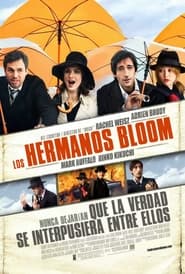
During the 1990s, he focused on supporting roles that brought gravitas to the storylines. In 1991 he shot The Young Catherine, and in 1998 he appeared in Vampires by John Carpenter. The genre never mattered to him as long as his character had an inner conflict worth digging into.
In 2002 he returned to his roots with the documentary Mi hermana Maria. It was a raw portrait of decline and of his relationship with his sister, actress Maria Schell. The film avoided sentimentality and showed the harshness of old age without decorative filters.
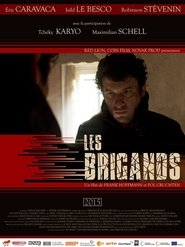
In 2013 he shot his last film, titled Les Brigands. He died on February 1, 2014 at a clinic in Innsbruck after suddenly contracting pneumonia at the age of 83.