The Pulse of Modern Neurosis
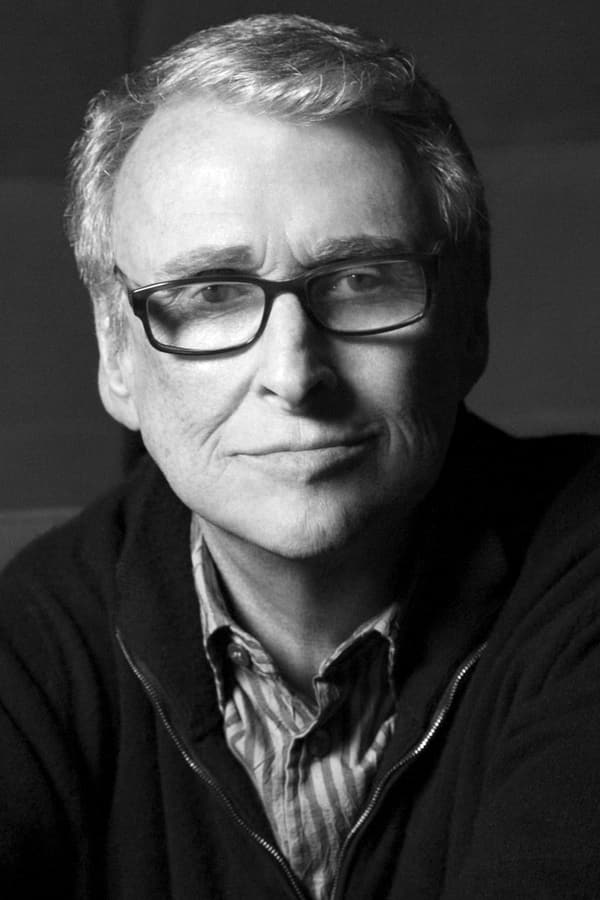
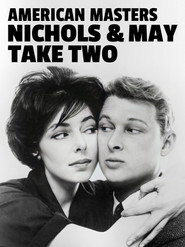
Michael Igor Peschkowsky stepped off a boat in New York in 1939 at age seven, speaking just two phrases of English. One was to order food, the other to say he was not a Nazi spy. This Jewish boy who fled Berlin ended up directing some of the most raw sequences in American cinema under the name Mike Nichols.
His entry into the industry did not follow the usual path of film school or technical training. Nichols came from theatrical improv and massive success alongside Elaine May. But in 1966 he decided the stage was too small for him and accepted the challenge of adapting Who's Afraid of Virginia Woolf? for the big screen.
In 1966 Warner Bros handed him the keys to a five-million-dollar production even though he had never touched a film camera before. He insisted the film be shot in black and white despite the studio wanting color. This was not an artistic whim but a narrative decision to preserve the grit and claustrophobia of the original work.
And success was no accident.
In 1967 he shot The Graduate and set the aesthetic of youthful disorientation for decades to come. He used long telephoto lenses to make Dustin Hoffman seem to run without moving forward on an invisible treadmill. As a result, audiences connected with that plastic anguish immediately.
Nichols had an obsession with dialogue and rhythm that few directors shared. On his sets, scenes were rehearsed for weeks as if they were a Broadway play. For him, the camera was only a tool that had to follow the performance, never the other way around.
The Failure That Changed Everything
But his career came to an abrupt halt after the commercial failure of The Day of the Dolphin in 1973. For nearly a decade, the director who had won it all seemed to lose his magic touch with audiences. Critics began to doubt his ability to adapt to the new demands of big summer releases.
Redemption came with a screenplay by Nora Ephron.
In 1983 he directed Silkwood and proved he could tackle political and social issues without losing the intimacy of his characters. Meryl Streep became his key ally during this period. Together they explored human vulnerability in films such as Postcards from the Edge in the years that followed.
Nichols never feared television at a time when the medium was still considered second-rate. In 2003 he took on the miniseries Angels in America for HBO. It was a massive production that cost 60 million dollars and tackled the AIDS crisis with unprecedented visual rawness.
Conquering the Home Video Market
Unlike other directors of his generation, he did not seek a visual style that would define him above the story. He preferred to be invisible so the plot could breathe. That is why his 1990s films such as The Birdcage or Primary Colors still work so well today.
He joined the exclusive club of EGOT winners by earning an Emmy, a Grammy, an Oscar and a Tony. In fact, he collected nine Tony Awards over his career for his theater work. No other film director has matched that figure in Broadway history.
And he achieved it as a perpetual outsider.
His last feature film was Charlie Wilson's War in 2007. He died in New York in November 2014 of a heart attack at the age of 83.