The astrophysicist who came down to Earth
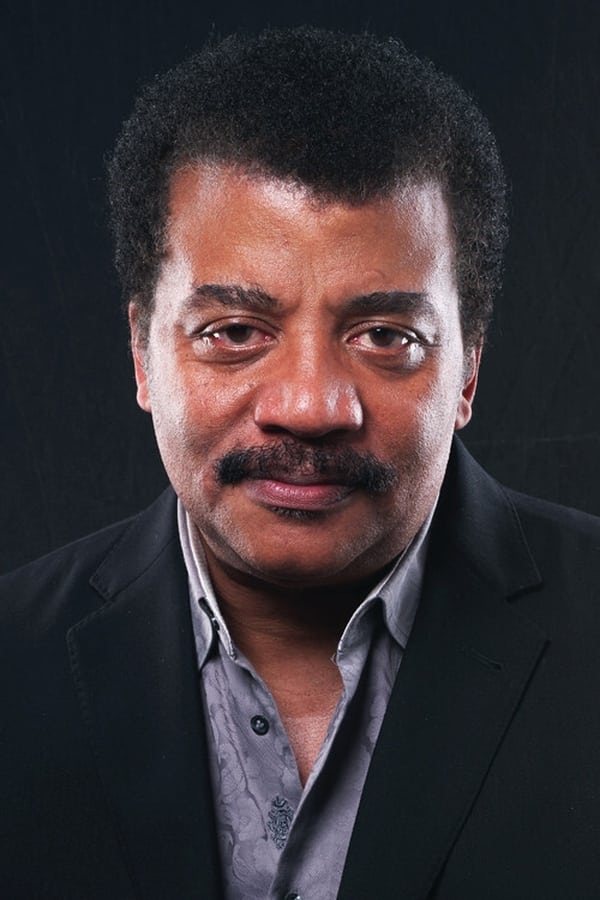
Neil deGrasse Tyson was born in the Bronx in 1958. His first encounter with the universe took place at the Hayden Planetarium, the same place he would go on to direct decades later, starting in 1996. He is not a scientist locked away in an Ivy League laboratory. He is a communicator who uses popular culture to explain why Pluto stopped being a planet in 2006. Science needed a publicist.
Science needed a publicist.
In 2014, he took over Cosmos: A Spacetime Odyssey. The project was risky because the shadow of Carl Sagan loomed too large over any successor. But Tyson opted for a less poetic and much more physics-driven tone. The series won four Emmy Awards and was distributed in 181 countries.
His success doesn't rely solely on his degrees from Harvard or Columbia. Tyson understands that street language is the only kind that can pierce the academic bubble. So he uses his social media to dissect the scientific errors of Hollywood blockbusters.
Stellar corrections and a presence in Hollywood
His connection to film is almost obsessive. In 2012, he got James Cameron to alter the night sky in the 3D version of Titanic because the stars were in the wrong positions. Tyson sent an email detailing the technical error, and the director accepted the correction to keep things accurate.
And the bet on realism paid off.
He appeared as himself in The Big Bang Theory and in Batman v Superman: Dawn of Justice during 2016. His presence often validates the credibility of science fiction plots or undermines them with a direct comment. For Tyson, scientific accuracy is a form of respect for the viewer.
By 2019, his podcast StarTalk was already a global phenomenon that mixed humor with hard data. He does not seek the approval of his colleagues but the interest of the average citizen. Because he knows that a complex concept well explained is worth more than a thousand papers published in closed journals.
Books for People in a Hurry
He published Astrophysics for People in a Hurry in 2017. The book stayed on the bestseller list for more than a year. It is a survival guide for the intellect that avoids dense language. Tyson writes with the reader in mind who has ten free minutes on the subway.
In 2020, he premiered Cosmos: Possible Worlds, which envisioned the future of the human species on other star systems. Some critics fault him for sometimes prioritizing spectacle over pure rigor. But audience numbers back up his teaching method.
Starry Messenger was released in 2022 with a massive initial print run in the United States. The text looks at civilization from a cosmic perspective to humble humanity's ego. The Hayden Planetarium welcomes more than 400,000 students from New York public schools every year.