The Craftsman Who Unsettled Hollywood
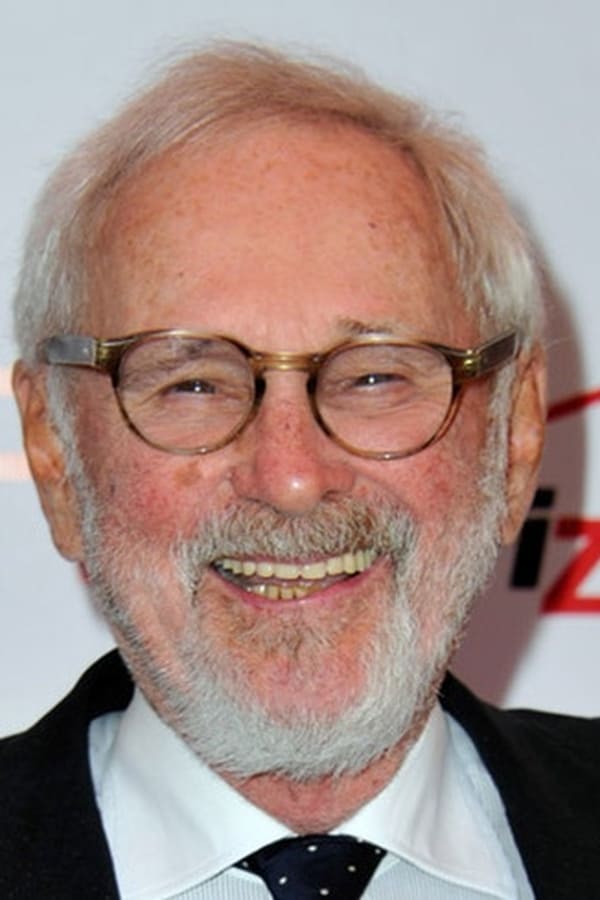
Norman Jewison never sought the approval of intellectual critics. He preferred box office buzz and the impact of a well-timed punch. In 1968 he had to wait a few days to collect his statuette for In the Heat of the Night, because the assassination of Martin Luther King brought the country to a standstill. That film, about a Black detective in the racist South, was no ordinary assignment. It was a declaration of war shot on a tight budget.
Before moving into film, he spent years in Canadian and British television. There he learned that rhythm is everything. In 1962 he made his debut with Bachelor in Paradise, but his real impact came when he began blending politics and entertainment. He had no interest in art for art's sake. He wanted audiences to squirm in their seats while munching on popcorn.
And he more than succeeded.
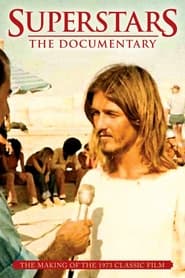
During the seventies he became obsessed with large formats. He shot Fiddler on the Roof in 1971, and two years later he took on Jesus Christ Superstar. Many believed a musical about the Bible shot in Israel would be a financial disaster. But the film made millions and became a cult favorite for a generation searching for answers outside the traditional church.
Comedy as a Refuge and a Return to Drama
Jewison had no visual style you could recognize from a mile away. His trademark was the director's invisibility in service of the story. In 1987 he surprised everyone with Moonstruck. No one expected a romantic comedy about Italian Americans in Brooklyn to do so well at awards time. That film won Cher an Oscar and showed that the director handled corniness with surgical precision.
But his commitment to social causes always returned to his desk. In 1999 he released The Hurricane to tell the story of the injustice suffered by boxer Rubin Carter. Denzel Washington became the face of a fight Jewison had already explored decades earlier. The director spent months reviewing court transcripts to get the technical details of the legal process right.
He never officially retired from the industry.
In 2003 he directed his final feature film, The Statement. It was a sober project about a Nazi war criminal hiding in France. Critics were not especially generous with this final chapter, but he didn't care much. He preferred spending his time on his Ontario farm, producing maple syrup and supporting new filmmakers through the Canadian Film Centre, which he founded in 1988.
His office in Malibu was full of scripts that never made it to the screen, due to lack of funding or changes in studio leadership. In twenty-first-century Hollywood, working directors lost ground to superhero franchises. So Jewison chose to watch the shift from a distance, without showing a trace of bitter nostalgia.
The Academy presented him with the Irving G. Thalberg Award in 1999 for his career as a producer. That honor often signals that the industry sees you as a relic, but he stayed active behind the scenes for several more years. His technique was to never let the camera move more than the actors. In total, he received seven Oscar nominations over five decades of constant work.
He died on January 20, 2024.
The death certificate confirmed that he died of natural causes at his home in Los Angeles at the age of 97.