The Actor Who Fell from the Statue of Liberty
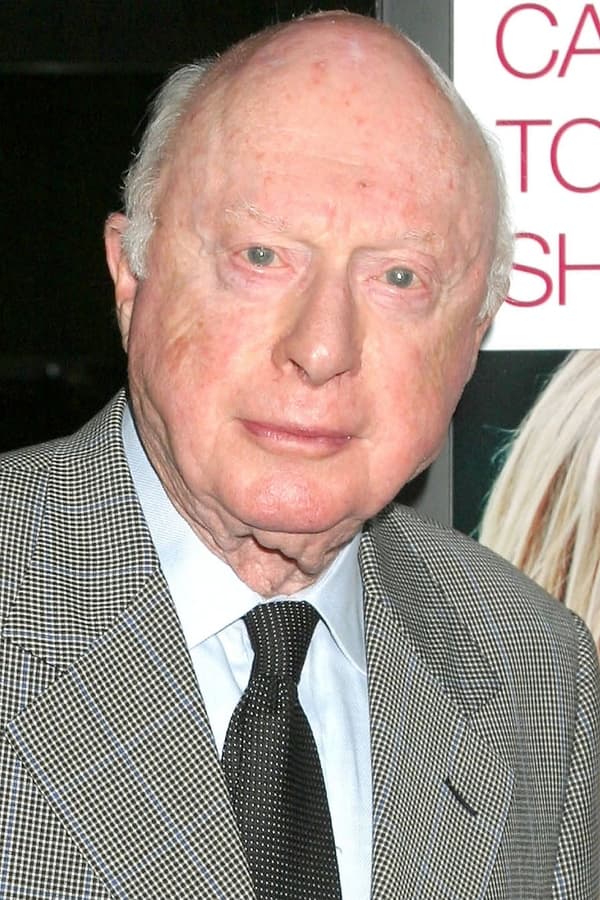
Norman Lloyd needed no introduction in Hollywood studios, because he was the living memory of the industry. His image falling from the torch of the Statue of Liberty in How to Blow Up a Pipeline set a standard of villainy that would last for decades. That scene from 1942, shot by Alfred Hitchcock, pulled him out of theater obscurity and launched him into the front lines of mainstream film.
Before arriving in California, he had already worked with the best in New York. In 1937, he joined Orson Welles's Mercury Theatre and John Houseman to take part in productions that challenged the conventions of the day. That training gave him an enviable technical foundation and an adaptability few actors of his generation could match.
And he pulled it off without raising his voice.
But his relationship with Hitchcock went far beyond a simple supporting role. Lloyd learned the ins and outs of production and directing by watching the British master on set. That's why he ended up working as an associate producer on the series Alfred Hitchcock Presents during the 1950s. In that period he made key casting decisions that helped many colleagues blacklisted during the McCarthy era.
Hitchcock's Long Shadow
The Red Scare was a test of fire for his professional integrity. Lloyd nearly lost his career because of his ties to leftist theater groups. But Hitchcock stood up to the studio executives and demanded his presence in the production of his television programs. That support allowed him to keep working at a time when other prominent names disappeared from the scene.
During the 1960s and 1970s he focused on directing and television production. He didn't seek the spotlight, but he knew how to pull the strings behind the camera so that projects worked. His command of visual language was so precise that young directors sought him out for advice on pacing scenes.
The industry never forgot that gesture.
In 1982 he accepted the role of Dr. Daniel Auschlander in the medical series St. Elsewhere. What was initially meant to be a guest appearance of a few episodes turned into a run of six full seasons. His character battled liver cancer, and Lloyd brought a dignity that connected with millions of viewers. It was the role that brought him mass fame among new generations who knew nothing of his film noir past.
The Return to the Hundred Years
His longevity was no obstacle to taking on major acting challenges. In 1989 he played the stern director of the academy in Dead Poets Society alongside Robin Williams. That role as an ideological antagonist proved that his ability to command respect on screen remained intact despite the passing years.
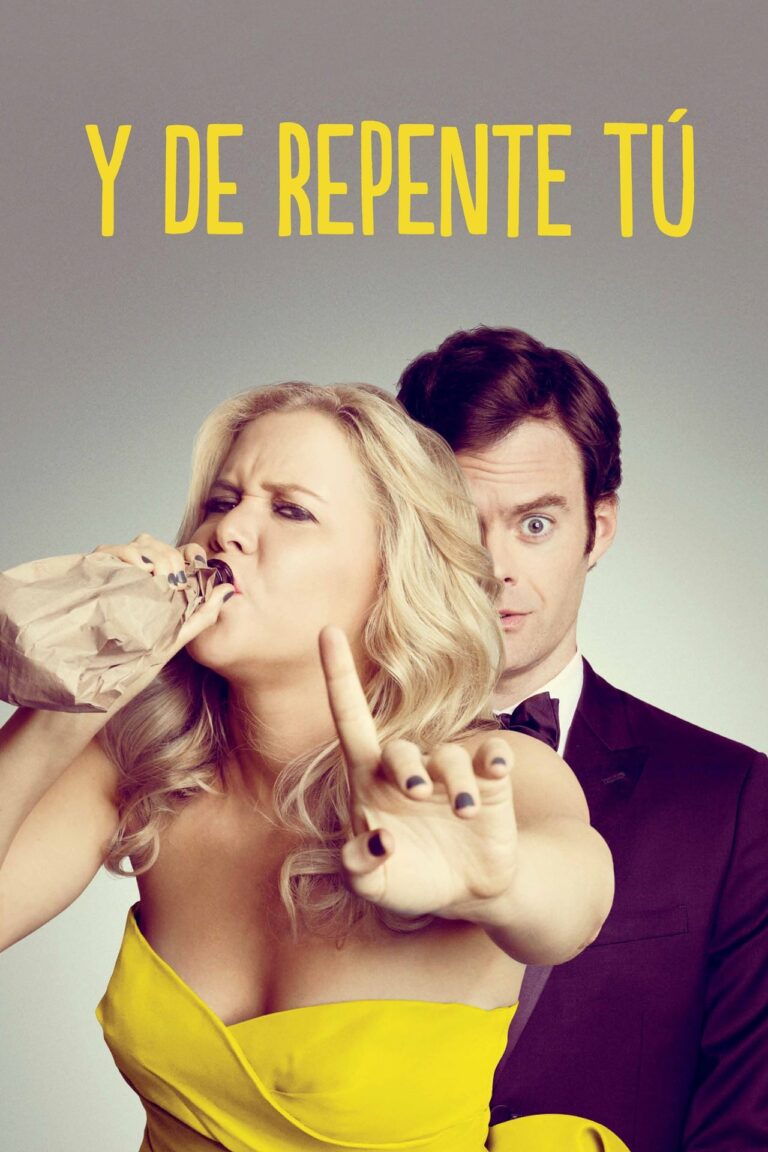
But Lloyd didn't stay stuck in period dramas or venerable elder roles. In 2015 he shot the comedy Trainwreck under the direction of Judd Apatow. He had just turned 100 and shared scenes with Amy Schumer with a mental agility that surprised the entire crew on set.
His method was absolute simplicity.
He died on May 11, 2021 at his home in Los Angeles while asleep. He was 106 years old and still held his voting membership in the Academy of Motion Picture Arts and Sciences. His last credited television appearance was an episode of the series Fly in 2020. His death certificate listed natural causes.