A Script That Broke the Stereotype
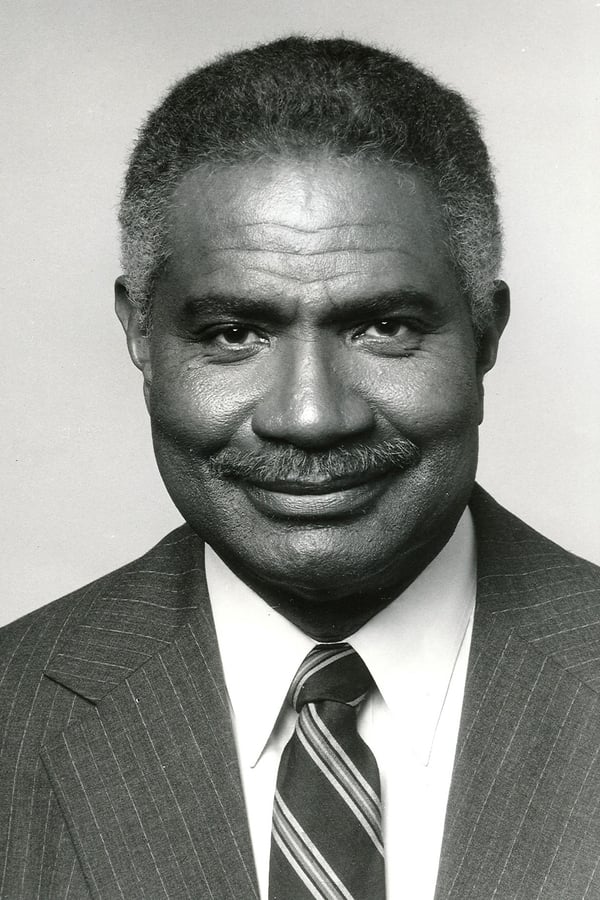
Ossie Davis never accepted that film was just entertainment. His first appearance on the big screen was in No Way Out in 1950. He shared billing with Sidney Poitier at a time when Black actors barely had room to breathe in the frame.
He was born in Georgia in 1917 and grew up under the harshest segregation laws. That explains why his career did not begin on a film set but on the stages of Harlem. There he understood that if he wanted characters with dignity, he would have to write them himself.
The industry was not ready for him.
In 1961, he premiered his play Purlie Victorious on Broadway. It was a fierce satire on systemic racism that he starred in alongside his wife, Ruby Dee. Two years later, it was adapted for the screen as Gone Are the Days! on a minimal budget.
But Davis did not stop at acting. In 1970 he directed Cotton Comes to Harlem and became one of the pioneers of African American action cinema. The film cost 1.2 million dollars and was a resounding box office hit in neighborhood theaters.
And his success changed the rules of the game for the Black directors who came after him.
The Man Who Fired Malcolm X
His political commitment was as deep as his filmography. During the 50s and 60s, he was monitored by the FBI for his ties to social causes. In 1965, he delivered the eulogy at Malcolm X's funeral before thousands of people.
That speech is now a subject of study at universities across the United States. Davis did not separate art from activism. For him, acting was a constant act of political presence in a country that preferred not to see him.
Film was his secondary tool.
In 1989, his career enjoyed a revival thanks to Spike Lee. The director gave him the role of Da Mayor in Do the Right Thing. In the film, Davis plays an elderly man trying to keep calm amid a heat wave and racial tension in Brooklyn.
He worked with Lee again on Jungle Fever in 1991 and on Get on the Bus in 1996. His characters were often the voice of experience or the moral conscience of the story. But he never let those roles fall into the cliché of the passive, wise elder.
The Final Shot in Miami
His deep voice became a go-to for documentaries and advertising campaigns. In 1997, he appeared in the TV movie 12 Angry Men, playing juror number two. That production earned several Emmy Award nominations that same year.
Despite his age, he never stopped working on daring projects. In 2003, he had a supporting but key role in the series The L Word. It was a decision that surprised many, but he justified it as a way to support new stories about identity.
In 2004, he received the Kennedy Center Honor for his contribution to American culture. It was one of the few institutional honors he accepted without reservations. But his mind was already on his next shoot.
Davis died on February 4, 2005 in a hotel room in Miami. He was there to shoot the film Retirement. He was 87 years old, and his body was found by his grandson before he could head down to the set.