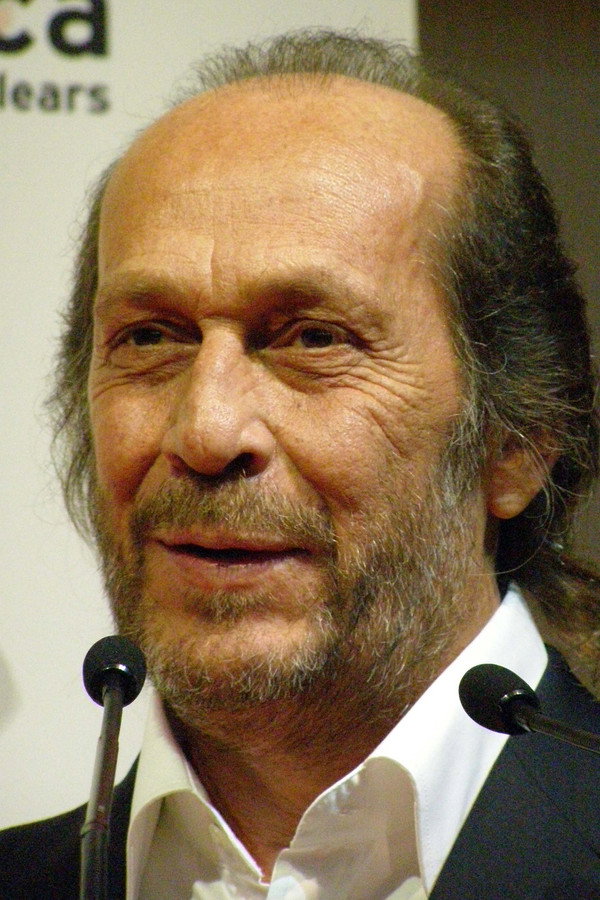
In the La Bajadilla neighborhood of Algeciras, there was never anything to spare except for the hours of forced rehearsal. Antonio Sánchez, the father, would come back from the port or the bars and make his sons play guitar until the tips of their fingers bled. Francisco Sánchez Gómez learned to pluck strings before he knew how to write a complete, meaningful sentence.
He left school at nine because his father decided the family academy would bring in more money if the kid tightened up his rhythm. By the age of twelve he was already earning a fixed wage as an accompanying guitarist in José Greco's company during an exhausting tour of the United States.
That military discipline shaped a technique that bordered on the superhuman.
In the 1960s the flamenco guitar was a instrument enslaved to the singing and the footwork. Purists watched every falsetto from the corners of Madrid to make sure no one broke the unwritten rules of the genre. But Francisco, who was already billing himself as Paco de Lucía in honor of his Portuguese mother's name, began crossing his right leg over his left to rest the instrument's body on his thigh. That posture, copied from classical concert players, outraged the old aficionados because it broke the bodily liturgy of the Andalusian Romani.
In 1968 he met a Romani man from San Fernando named José Monje Cruz, whom everyone called Camarón. Together they recorded nine studio albums that blew apart the rigidity of traditional cante without asking anyone's permission.
The Five-Minute Filler That Blew Up the Charts
Around 1973, the guitarist's bank accounts were still quite modest. The album Fuente y caudal was a few minutes short of its running time, and the producer asked him to come up with something quick in the studio to fill the A-side. Paco recalled some rumba chords he used to toy with alongside his brother Ramón, and asked percussionist Pepe Ébano to play a simple rhythm on bongos.
They recorded the track in one take, almost without mixing and without expecting anything from it.
That studio cut was titled Entre dos aguas and sold more than 300,000 copies in a Spain that had never bought purely instrumental flamenco music in such volumes. It played on mainstream radio, in discos on the Costa del Sol and at gas stations across half of Europe. Suddenly a tablao musician was filling the Teatro Real in Madrid, a venue reserved until 1975 for symphony orchestras and opera singers in tailcoats.
Parlor flamenco had become too small for him.
In 1977, during a stopover of concerts in Lima, he heard a local musician playing a Chabuca Granda song on a Peruvian wooden cajón. He paid twelve thousand pesetas for that box and carried it on the flight straight to Madrid to adapt it for bulería. From that night on, no percussionist in the genre played palmas without that wooden piece between their knees.
Saura's Camera and the Battles of San Francisco
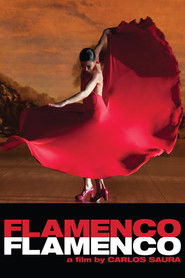
Filmmaker Carlos Saura understood before anyone else that Paco's fingers were purely cinematic material. In 1981 he signed him for Blood Wedding, and two years later he gave him the musical weight of Carmen, where the musician not only composed the soundtrack but also appeared on screen directing the dance rehearsals alongside Antonio Gades. For this musical adaptation, he received a BAFTA Award nomination in 1984.
That same year, British director Stephen Frears commissioned him to write the score for his film The Hit. Paco solved the assignment by blending raw flamenco with Eric Clapton's electric guitar, sidestepping any genre label with devastating ease.
The American jazz industry tried to devour him, but the guitarist set his own terms without giving up his thumb technique. When he teamed up with Al Di Meola and John McLaughlin to record Friday Night in San Francisco in 1981, the trio sold two million records through acoustic speed duels. Paco could not read a traditional jazz score. He played from memory, by rhythmic intuition and through a fierce aural sense that unsettled any instrumentalist with a conservatory degree.
In 2004 he released Cositas buenas, a work he recorded almost alone at his home in Toledo, using digital editing software to build the tracks layer by layer.
On February 25, 2014, he suffered a massive heart attack on a Mexican beach in Quintana Roo while playing with his youngest son. He left behind a finished album of classic coplas on his hard drive, Canción andaluza, released posthumously that April with eight vocal and instrumental tracks recorded with Neumann U87 condenser microphones at 24 bits.