The Resignation That Shook Hollywood
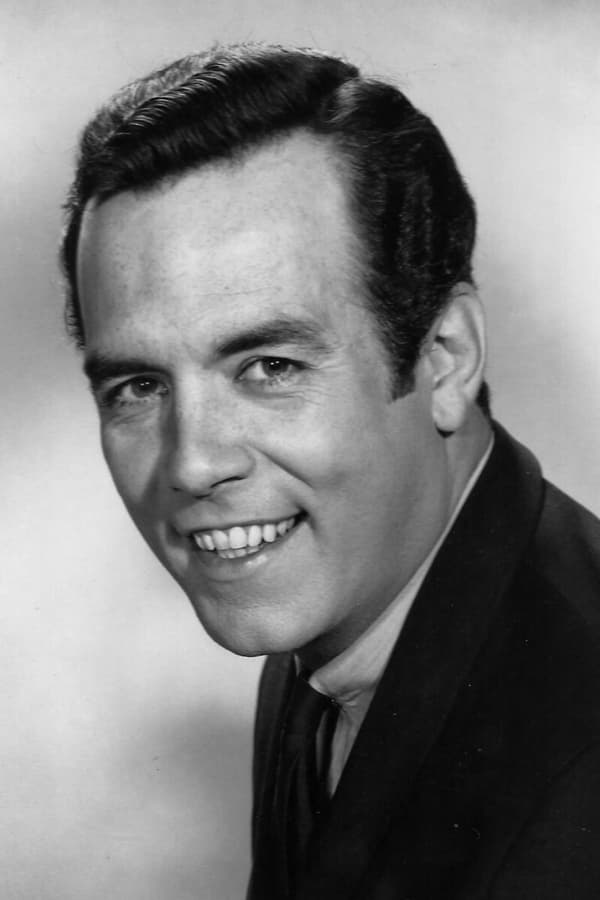
Pernell Roberts walked off the set of Bonanza in 1965 while the rest of the industry watched him as if he had lost his mind. He left behind the role of Adam Cartwright and a weekly paycheck worth thousands of dollars because he could not stand the simplicity of the scripts. He felt that a man his age could not keep asking his father's permission for everything.
For an actor trained on the Broadway stage, that was a golden cage. And he didn't care about the legal limbo or the threats from production companies. Roberts wanted to play Shakespeare, not a cowboy who barely evolved amid gunfights and cardboard landscapes.
Roberts was not a man who made compromises.
But his departure was not the whim of a conceited star. By 1955, he had already won a Drama Desk Award for his performance in Macbeth, and his respect for the craft outweighed quick fame. Before reaching television, he spent years refining his voice and stage presence in New York theaters.
Activism Behind the Cameras and in the Desert
His social commitment went far beyond press statements. In 1965 he actively took part in the marches from Selma to Montgomery demanding voting rights for Black Americans. That decision brought him trouble with the show's sponsors, but he never backed down.
He insisted that the technical crew on his sets be diverse and pushed for actors of different ethnic backgrounds to be cast in important roles. He understood that his position of privilege should be used for more than just accumulating property. That made him an uncomfortable figure for the executives of the time.
For almost fifteen years, he worked in minor productions and regional theater. The industry tends to punish those who bite the hand that feeds them. But Roberts used that time to move away from the stereotype of the Western leading man.
And the gamble paid off.
The Return of the Rebel Surgeon
In 1979, his luck changed when he took the lead role in Trapper John, M.D.. The series was a spin-off of M*A*S*H and let him play a mature, cynical, professional man. Audiences welcomed him with open arms despite his long absence from the front lines.
The series stayed on the air until 1986 and built up seven seasons of success. Roberts proved he could carry a big-budget production without losing his essence. But he still kept the icy distance from the studio system that he had criticized so harshly in his youth.
Television was never the same for him again.
After closing the chapter on his time as a doctor, he devoted himself to narrating documentaries and taking part in carefully selected projects. In 2001, he made his last on-screen appearance in an episode of the series Diagnosis: Murder. From then on, he withdrew completely from public life to retreat to his home in Malibu.
Pernell Roberts died on January 24, 2010 from pancreatic cancer at the age of 81. His funeral was a private ceremony, and his remains were cremated without any major public tribute. The property where he spent his final years was valued at just over one million dollars after his death.