The Third Man of Emeryville
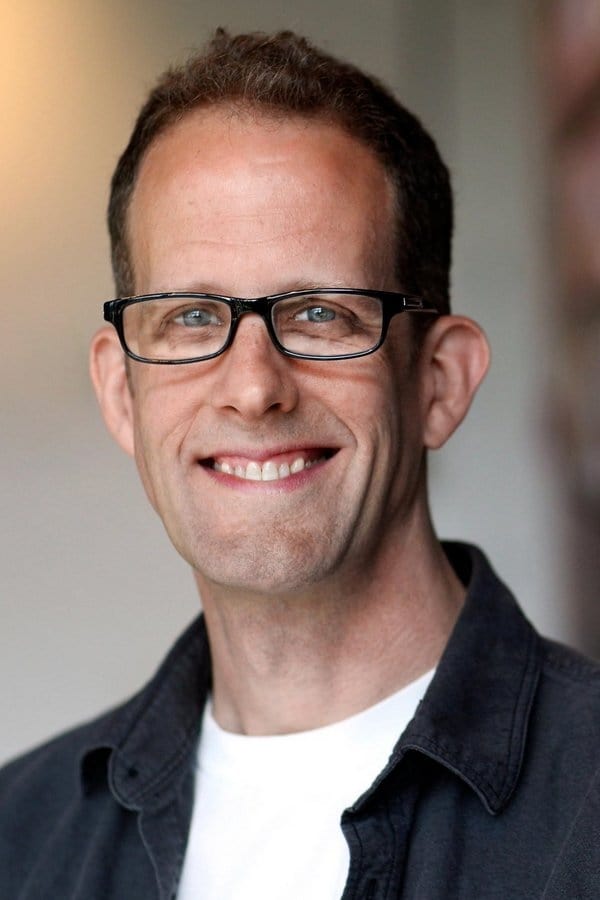
Pete Docter joined Pixar in 1990 when the studio was barely a technical office with artistic ambitions. He was twenty-one and had just graduated from CalArts. He was the third animator the company hired. At the time, no one knew whether computers could tell stories that moved a human being.
His first real job was helping shape Toy Story in 1995. He didn't just move polygons around on a screen. He worked on the script and the development of characters that are now cultural treasures. Docter insisted that Buzz Lightyear couldn't be a hero who was aware he was a toy.
And the gamble paid off.
That film changed the industry, but for Docter it was only the start of an obsession with the psychology of characters. He wasn't interested in technical perfection for its own sake. He wanted to understand why people cry or laugh in front of a movie screen. His original sketches from that period show a fixation on extreme facial expressions and exaggerated body language.
Fear as a Creative Engine
In 2001 he released Monsters, Inc. after a production process that nearly collapsed several times. The premise was simple but risky: a world of monsters who make their power from children's screams. At its core, though, the story was about a bachelor's relationship with a little girl who didn't speak. It was his first major solo directing effort.
The film grossed 577 million dollars worldwide. That figure validated his personal vision within a structure that was beginning to grow out of proportion. Docter showed that mass-appeal cinema could tackle themes like parental responsibility or fear of change.
Because Docter's cinema has always been an exercise in introspection.
In 2009 he presented Up and broke an unwritten rule of family film. The first ten minutes of the movie chronicle a whole life of love and loss with almost no dialogue. Many executives feared kids would be bored by a story about old age and grief. But audiences responded unanimously, and the film won the Oscar for Best Animated Feature.
The Architecture of the Mind
The most complex challenge of his career came in 2015 with Inside Out. The script required years of consultations with neuroscientists and psychologists to map how emotions work. Docter wanted to explain to his own daughter that being sad is not only normal but necessary for growing up. The film became an educational tool used in schools across much of the world.
Risk has always been his comfort zone.
After John Lasseter left in 2018, he took on the role of Chief Creative Officer of Pixar Animation Studios. It was a paradigm shift in his daily routine. He moved from drawing tables to strategy meetings and overseeing other people's projects. But he didn't abandon his authorial side, and in 2020 he directed Soul, exploring the existential crisis of a jazz musician.
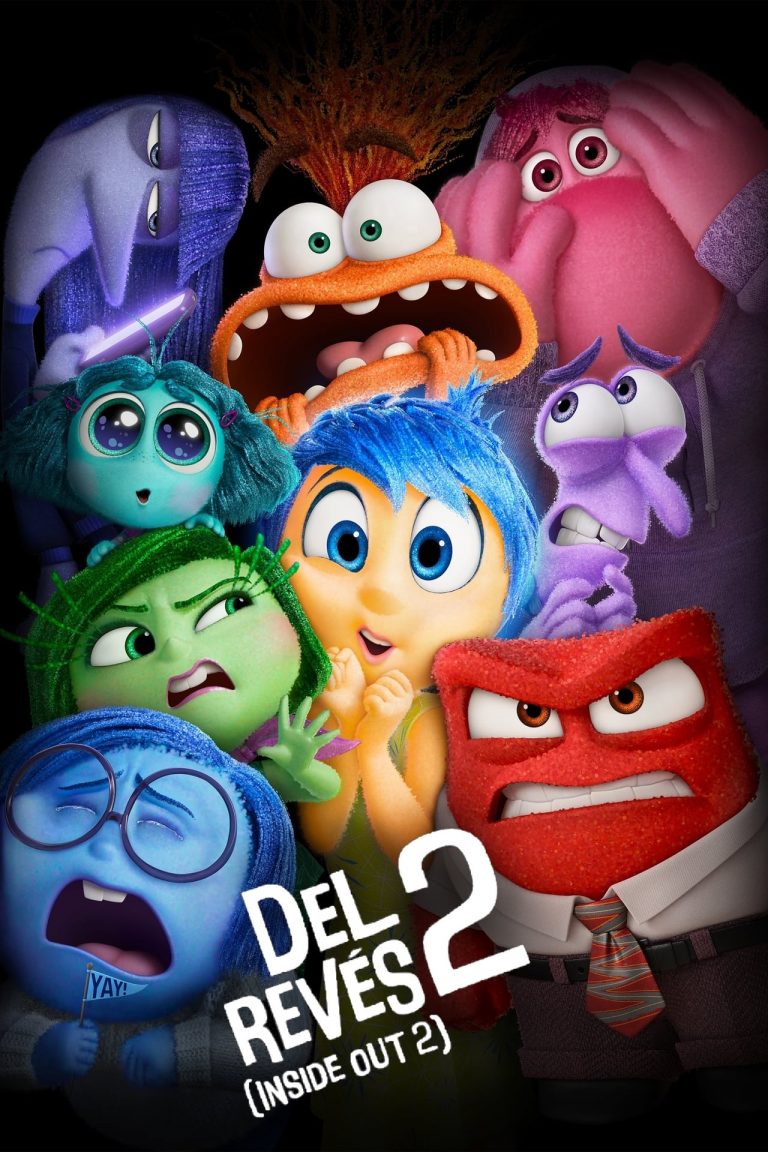
Under his leadership, the studio has tried to broaden its range of directors and themes. In 2024 he oversaw the release of Inside Out 2, directed by Kelsey Mann, to expand the universe of the human mind. The film earned $1,600 million at the global box office, becoming the studio's biggest financial hit up to that point. The production budget for the sequel was set at $200 million, not including international distribution costs.