The screenwriter who slipped in front of the camera
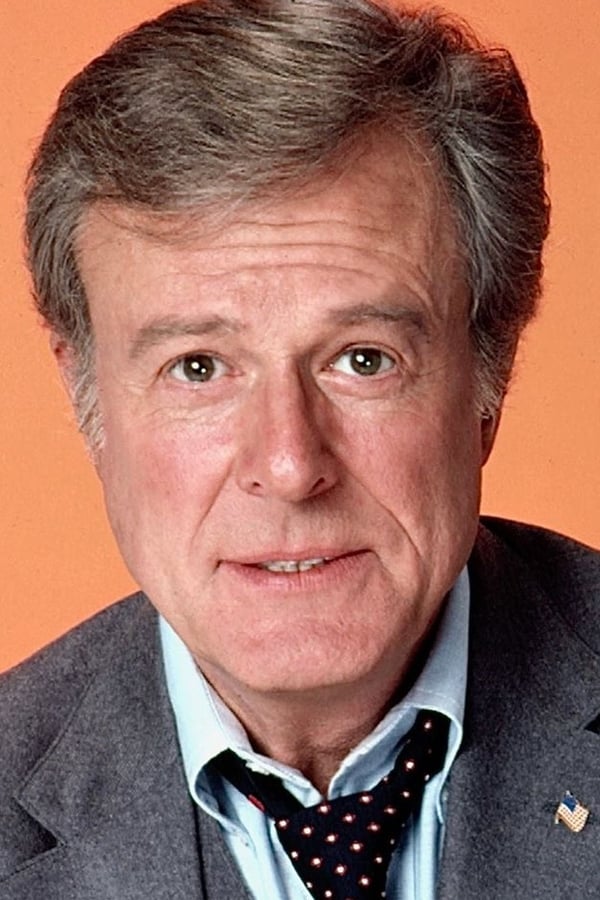
Robert Culp didn't want to be just a pretty face on 1950s television. In 1957, he starred in the Western Trackdown, and there he began to understand that the business worked better if you controlled your role. He spent months studying how camera operators moved and how dialogue was structured on the set.
Culp was never a docile actor.
In 1965, he accepted the role of Kelly Robinson in I Spy, but he set one condition that few people know about. He wanted to write his own scripts. He did it because he needed his character to have a depth that the studio writers couldn't give him. He wrote seven episodes of the series and made sure the relationship with Bill Cosby wasn't a cliché-filled lesson about race.
The pair worked because they treated each other as equals in an America that still segregated bus stops. It was the first drama on American television with a Black co-star, and that changed the rules of the advertising market at the time. Culp received three consecutive Emmy nominations for his performance but never took the trophy home.
But his ambitions went beyond acting in front of a spotlight.
Racial chemistry and the rise of modern television
In 1969, he starred in Bob & Carol & Ted & Alice, and the film became a study of sexual liberation in the middle class. The movie grossed more than $30 million on a minimal budget. That success allowed him to direct his only feature film, Hickey & Boggs, in 1972.
The film was an absolute box-office flop. It was a dark, pessimistic story that broke with the sophisticated spy image audiences expected from him. Culp moved away from commercial directing after that blow. He took refuge in supporting roles and guest appearances in series such as Columbo, where he played three different killers in different seasons.
The industry didn't always know what to do with him.
During the seventies, he worked on B-movies and quick-turnaround TV movies. His face became a familiar sight in Spanish homes thanks to morning reruns. But in 1981, his career got a fresh boost with The Greatest American Hero. He played FBI agent Bill Maxwell and showed a special instinct for dry comedy.
The tough guy who learned to laugh at himself
By this stage of his life, Culp was no longer chasing award prestige. He was comfortable in the role of a grumpy mentor. Between 1996 and 2004, he played the father-in-law of Ray Romano in the comedy Everybody Loves Raymond. Younger audiences discovered him as a veteran who could steal scenes with a single look of contempt.
And the gamble paid off.
In his later years, he lent his voice to video games such as Half-Life 2 in 2004, where he voiced the villain Wallace Breen. Culp understood that digital media was the new frontier for actors of his generation. He didn't turn down small projects as long as the script had a minimum of narrative coherence.
On March 24, 2010, Robert Culp went for a walk near his home in the Hollywood Hills. He accidentally fell near the entrance to a public park and hit his head on the ground. He died shortly after at the hospital at age 79 from severe head trauma.