The face the desert forgot to polish
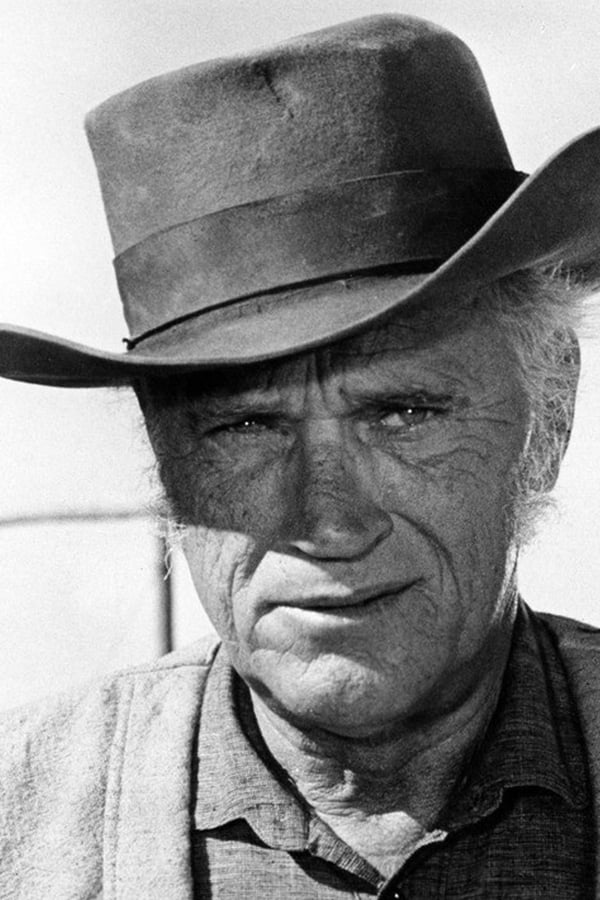
Robert J. Wilke had the look of a man who has just buried a body and has no intention of explaining himself to anyone. He never needed to speak for the audience to know the protagonist was in serious trouble. His features were a landscape of deep wrinkles and a stare that seemed to filter the dust of Arizona. Before becoming Hollywood's go-to villain, he worked as a stunt actor in the 1930s. That period broke several of his bones but gave him a physique no method actor could replicate on a soundstage.
And that physical presence saved him from mediocrity.
In 1952 he played James Pierce in High Noon. He was one of the three gunmen waiting for the train to kill Gary Cooper in the film's climax. He had few lines. But the way he leaned against the station wall set the film's tension better than any dialogue about law and order. Wilke understood that in classic cinema, stillness was a more effective tool for terror than screaming.
He appeared in more than three hundred productions across film and television. He almost always played tough guys, relentless sergeants or unscrupulous outlaws. In 1960 John Sturges called him for The Magnificent Seven, where he played Wallace. He lost a knife duel to James Coburn in a scene still studied for its precision in editing and economy of movement.
The golfer who acted out of necessity
He earned more money on the golf course than in front of the cameras.
He was an exceptional player who placed considerable bets against his castmates during shoot breaks. It is said many actors avoided playing with him because Wilke showed no mercy on the green. That cold competitive streak was the same one he projected on screen when he drew his Colt or eyed the hero of the moment. For him, acting was a mechanical trade that funded his real passion for the eighteen holes.
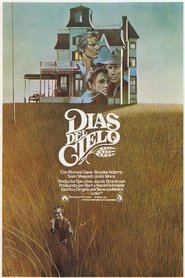
Yet his career enjoyed an unexpected peak of prestige when he was already a veteran. Terrence Malick cast him in Days of Heaven in 1978. There he played the farm foreman, a man who watched over the wheat fields with the same severity Wilke applied to his bets. It was his most restrained and bitter performance of his entire career.
The film's natural light highlighted every furrow of his face and elevated him to an almost mythic status. He was no longer just a supporting player who took punches from Burt Lancaster or Kirk Douglas. He was a symbol of old Hollywood resisting extinction in the face of the new wave of 1970s directors.
He never sought the fame of top-billed roles.
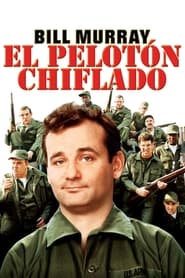
In 1981 he appeared in the comedy Stripes alongside Bill Murray, in a role that parodied his own image of military authority. It was one of his last notable jobs before his health declined. Robert J. Wilke died in Los Angeles on November 12, 1989 from lung cancer at the age of 75.