The youngest Nobel laureate in history
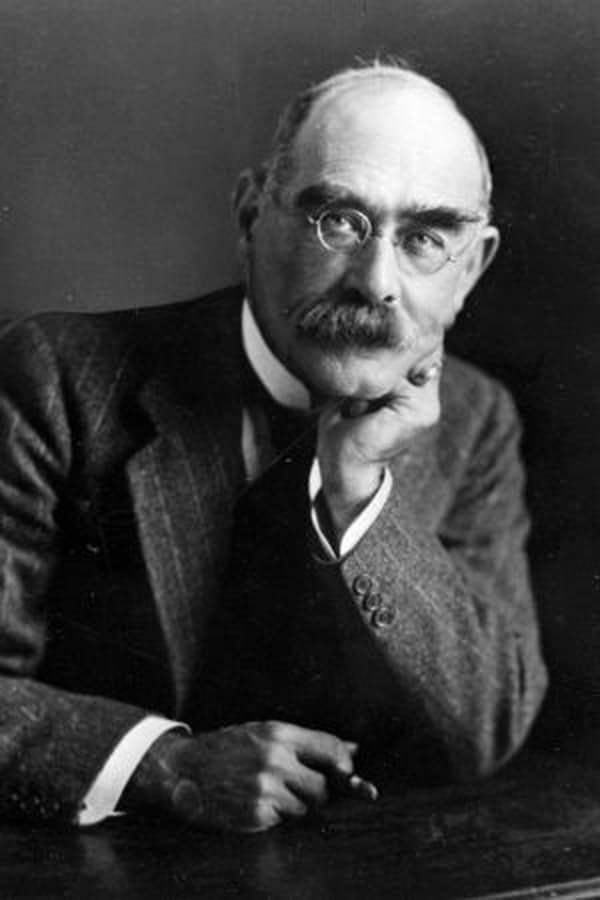
Rudyard Kipling received the Nobel Prize in Literature in 1907. At the time, **they were only 42 years old**, and they still hold the record for precocity in that award. The Swedish committee honored a gift for observation and a narrative originality that had shaken English letters since the late nineteenth century.
Being born in Bombay changed everything.
His childhood in British India was far more than a mere backdrop for his stories. It was his mother tongue. At age six, he was sent to England to study at a boarding house, where he endured constant humiliation and abuse. That loneliness shaped the character of an author who always felt like an outsider, both in the metropole and in the colonies.
The reporter who invented the jungle
In 1882 he returned to India to work as a journalist for the *Civil and Military Gazette* in Lahore. There he learned to write under pressure and to observe imperial bureaucracy with a mix of admiration and cynicism. His short stories began to appear in cheap editions that soldiers read on train journeys across the Punjab.
In 1894 he published *The Jungle Book*. The story of Mowgli was not just a children's tale but a deep reflection on **law and order** in a wild setting. The film industry would mine this world decades later with the animated version of 1967 and the photorealistic adaptation of 2016.
But Kipling was not chasing pure fantasy.
He wrote to understand how power works and how the individual endures against nature. His poems and dispatches captured the dust of the roads and the sweat of the regiments. That ability to portray the working lives of men gave him an authority few writers have matched since.
The tragedy behind the imperial bard
His personal life was marked by grief and silence. In 1899 he lost his daughter Josephine to pneumonia during a trip to New York. In 1915, his son John went missing at the Battle of Loos during World War I, after being enlisted thanks to his father's influence. That loss destroyed his faith in progress.
His poem *If—* is recited today as a manual of **men's self-help**, though he would probably have detested that label. In 1901 he published *Kim*, which many critics consider his absolute masterpiece. It is a spy novel that captures the essence of the Great Game between Russia and Great Britain in Central Asia.
Fame weighed heavily on him.
He turned down a knighthood and the Order of Merit on several occasions because he preferred to keep his independence as an observer. Cinema has had a complicated relationship with his political legacy but a very fruitful one with his storytelling. In 1975, John Huston directed *The Man Who Would Be King*, a film that perfectly captured the **ambition and pathos** of its characters.
He is often described as the poet of imperialism. It is true that he defended British expansion with a conviction that many readers find uncomfortable today. But his writing hides a technical ambiguity and a descriptive cruelty that go beyond any political pamphlet. Kipling died on January 18, 1936, in London from a perforated ulcer.
His ashes rest in Westminster Abbey. No other English-language writer has sold as many copies of a single short story collection as he did during the **twentieth century**.