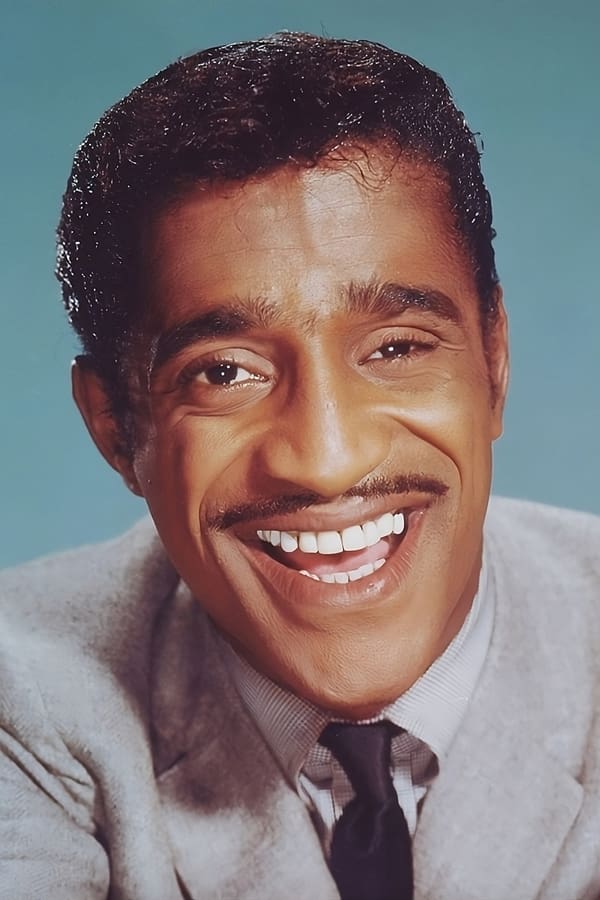
Sammy Davis Jr. lost his left eye on a California highway in 1954.
He was 28 years old and already the most versatile variety performer in the United States. But that collision with a car backing up at an intersection in San Bernardino did not slow his rise. Quite the opposite. Weeks later, he was back on stage wearing a black eye patch that became his best publicity prop.
That macabre stroke of luck was just one more chapter in the life of a man who learned to dance before he learned to read. At just three years old, his father and uncle put him on the vaudeville stage as part of the Will Mastin Trio. There he understood that for a Black man in America between the wars, the only way to survive was to be three times better than any white man.
He mastered tap dancing with mechanical precision and could impersonate any Hollywood star of the era. But his talent didn't get him through the front door of the hotels where he performed.
The Blood Pact with Las Vegas
In the 1950s, racism in Nevada's casinos was a rule carved in stone. Sammy Davis Jr. could fill the main showroom at the Sands, but he was not allowed to sleep in its rooms or eat in its restaurant. He was forced to stay in rundown motels in the segregated part of town.
Frank Sinatra changed the rules of the game.
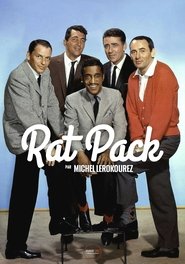
The leader of the Rat Pack refused to perform at any venue that wouldn't let his friend in. Thanks to that stand, Sammy Davis Jr. became the first Black performer to break the color barrier in Las Vegas hotels. Being part of that group of tuxedo-clad rascals gave him incalculable political and social protection.
Together they made movies like Ocean’s 11 in 1960. Audiences loved them because they projected an image of camaraderie that defied the country's racial tensions. But the reality was more complex, and Sammy always felt like the entertainer tolerated by the white elite.
He was often harshly criticized by the African American community for his closeness to the established power structure.
The Price of Ambition on Broadway
In 1964, he decided Las Vegas wasn't enough and moved to New York to star in the musical Golden Boy. It was a risky bet. The play was about a Black boxer who falls in love with a white woman, and death threats reached the theater before the first reviews did.
He performed more than 500 consecutive shows despite outside pressure and throat problems. His performance earned him a Tony Award nomination and proved he could carry a serious drama on his shoulders. He was no longer just the guy who told jokes and danced on a piano.
But success on stage did not curb his excesses. He spent money compulsively on jewelry, cars and parties that lasted for days. In 1972, he hit number one on the sales charts with The Candy Man, a song he himself detested for being too childish.
The industry never fully forgave him for his ambition.
His public support for Richard Nixon in the 1970s came with a political price that took decades to pay off. That embrace of the president at a Republican convention was seen as a betrayal by many of his fellow civil rights fighters.
The Decline of a One-Man Band
The 1980s were brutal on his health. Heavy drinking and smoking (he went through several packs a day) began to take a toll on his slight frame. In 1989, he set off on a world tour with Frank Sinatra and Dean Martin in an attempt to clean up his finances.
His financial problems were chronic. Despite earning millions of dollars over six decades, his lavish lifestyle and disastrous handling of his taxes kept him constantly on the edge of ruin.
He owed the IRS more than $7 million when he was diagnosed with terminal throat cancer. He refused to undergo surgery that would have saved his life at the cost of losing his voice. He chose to die able to speak rather than live in silence.
Sammy Davis Jr. died at his Beverly Hills home on May 16, 1990. Two days after his funeral, the lights on the Las Vegas Strip were turned off for ten minutes in his honor. The tax authorities seized most of his property and personal belongings just a few weeks after his death.